甲磺酸伊马替尼的 α 与 β 晶型:熔点更高的那个,为什么反而是亚稳的Imatinib Mesylate Forms α and β: Why the Higher-Melting Form Is the Metastable One
甲磺酸伊马替尼↗(CAS 220127-57-1)是 BCR-ABL 抑制剂,慢性髓性白血病与胃肠间质瘤的一线用药。这个品种有一个反直觉的性质:α 晶型的熔融峰比 β 高六七度,室温下热力学更稳定的却是 β。只做一次 DSC、看见 α 峰更高就判定「α 更稳定」的项目,往往要等稳定性数据出来才发现解释不通。
Imatinib mesylate↗ (CAS 220127-57-1) is a BCR-ABL inhibitor and a first-line treatment for chronic myeloid leukaemia and gastrointestinal stromal tumours. The substance has a counter-intuitive property: Form α melts six or seven degrees higher than β, yet β is the thermodynamically more stable at room temperature. Projects that run one DSC, see the higher α peak and conclude that α is more stable usually discover the explanation does not hold only when the stability data arrive.
Note: product names shown in red (marked with ↗) are clickable. Click to open the product page for structure, CAS number, purity and lead time.
一、品种定位:一个 1:1 甲磺酸盐,两套晶型1. Positioning: a 1:1 mesylate with two crystal forms
关键要点Key points
- α 与 β 都是无水、同分子的构象多晶型,空间群相同而构象不同;室温下 β 自由能更低,α 是亚稳态,但常温密封不自发转变Both α and β are anhydrous, conformational polymorphs of the same molecule, sharing a space group but differing in conformation; β has the lower free energy at room temperature and α is metastable, yet sealed at ambient temperature it does not convert spontaneously[1,2]。
- α 熔融峰约 225–226 °C,β 约 219 °C;单看熔点会得出与事实相反的结论The α melt is around 225–226 °C and β around 219 °C, so judging by melting point alone yields the opposite of the truth[1,2]。
- 游离碱与甲磺酸在酮或酯中快速沉淀,优先给出 α;要 β 得靠陈化或溶剂介导转变,庚烷最快、水最慢Free base and methanesulfonic acid precipitate rapidly in a ketone or ester and preferentially give α; β requires ageing or a solvent-mediated transition, fastest in heptane and slowest in water[2]。
- 制剂端风险不止转晶:高温下 α 部分转 β,硬脂酸镁让两种晶型一起脱盐、变回游离碱Formulation risk is not limited to the phase transition: at high temperature part of α converts to β, and magnesium stearate desalts both forms back to the free base[3]。
伊马替尼Imatinib↗游离碱 C the free base is C29H31N7O,分子量 493.6;做成甲磺酸盐是 1:1,分子量 589.7。成盐的理由很直白:游离碱在水中几乎不溶,甲磺酸盐把水溶性拉起来,片剂规格 100 mg 与 400 mg,《欧洲药典》收载本品种O, molecular weight 493.6; the mesylate is 1:1 with molecular weight 589.7. The reason for the salt is plain: the free base is practically insoluble in water and the mesylate lifts aqueous solubility. Tablet strengths are 100 mg and 400 mg, and the European Pharmacopoeia monographs the substance[4]。
本目录收录甲磺酸伊马替尼相关条目 This catalogue contains 55 条(含原料药本体),编号杂质 51 个,编号覆盖 1–86,7 条带 EP 杂质字母映射(A、B、C、D、F、H、J)。 entries for imatinib mesylate (including the drug substance itself), 51 numbered impurities covering numbers 1–86, with 7 mapped to EP impurity letters (A, B, C, D, F, H, J).
先明确一件事:结构式画不出晶型。同一张二维结构可以对应 α、对应 β,也可以对应无定形;晶型是分子在三维空间的排列方式,只能靠衍射、热分析与振动光谱去测。One point to settle first: a structure drawing cannot show a polymorph. The same two-dimensional structure can correspond to α, to β, or to the amorphous form; a polymorph is how molecules are arranged in three dimensions and can only be measured by diffraction, thermal analysis and vibrational spectroscopy.
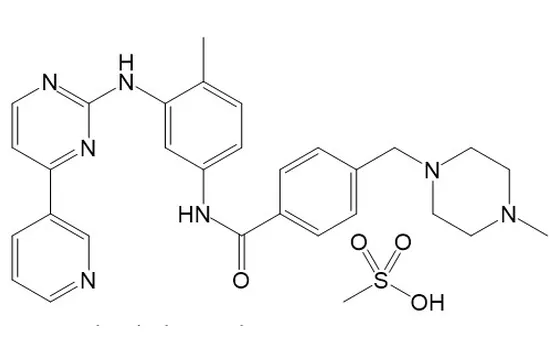
二、α 与 β:熔点高的那个,稳定性反而低2. α and β: the one with the higher melting point is the less stable
晶体学上,α 与 β 都是三斜 P-1 空间群、一个分子在不对称单元,差别在构象:两者靠不同的分子内氢键锁定构象,堆积都是「二聚体—链」式,链间只有很弱的 C—H···π(α)或 π–π(β)作用Crystallographically both α and β are triclinic, space group P-1, with one molecule in the asymmetric unit, and the difference lies in conformation: the two lock their conformations through different intramolecular hydrogen bonds, and both pack as dimers forming chains with only weak C—H···π (α) or π–π (β) contacts between chains[1]。这属于构象多晶型:晶格能很接近,熔点与溶解度都差得不多,但转变能垒可以差很多。. This is conformational polymorphism: lattice energies are very close, melting points and solubilities differ little, but the barrier to transition can differ greatly.
稳定性顺序在公开研究里一致:β 室温自由能更低,是热力学稳定形态;α 是亚稳态,但在常温密封存放期间表现出明显的动力学稳定性,实验周期内不向 β 转变,要靠升温或溶剂介导才会走Published work agrees on the stability order: β has the lower free energy at room temperature and is the thermodynamically stable form, while α is metastable but shows pronounced kinetic stability when stored sealed at ambient temperature, not converting to β within the study period and requiring heat or a solvent to move[1,2]。熔点则相反:α 的熔融峰在 225.4–226.5 °C 之间,β 在 218.9–219.6 °C 之间,两个独立实验室给出的峰温差分别是 5.8 °C 与 7.5 °C. Melting points run the other way: the α melt lies between 225.4 and 226.5 °C and β between 218.9 and 219.6 °C, with two independent laboratories reporting peak differences of 5.8 °C and 7.5 °C respectively[1,2]。
于是有了那个经典困惑:熔点测的是晶格在多高温度下垮掉,稳定性问的是 25 °C 下谁的自由能低,两者只有在确定的转变关系下才一致。α 与 β 的熔点与熔融焓变化方向并不一致,属典型的互变嫌疑,此时熔点高低与室温稳定性顺序可以完全相反。要判真实关系,靠转变温度测定、悬浮竞争实验(两种晶型同时过量投进同一溶剂看谁长大)与溶解度—温度曲线,而不是一条 DSC 曲线的峰位。Hence the classic confusion: melting point measures the temperature at which the lattice collapses, whereas stability asks which form has the lower free energy at 25 °C, and the two agree only under a defined transition relationship. For α and β the direction of the melting point and of the enthalpy of fusion do not agree, the classic signature of enantiotropy, in which case melting point and room-temperature stability order can be exactly reversed. Establishing the true relationship requires transition temperature measurement, slurry competition experiments (both forms charged in excess into the same solvent to see which grows) and solubility-temperature curves, not the peak position of one DSC trace.
| 对照项Item | α 晶型Form α | β 晶型Form β |
|---|---|---|
| 室温热力学Room-temperature thermodynamics | 亚稳,自由能较高Metastable, higher free energy | 更稳定,自由能较低More stable, lower free energy |
| 常温动力学Kinetics at ambient temperature | 密封存放不自发转变No spontaneous conversion when stored sealed | 稳定形态The stable form |
| DSC 熔融峰DSC melting peak | 225.4–226.5 °C | 218.9–219.6 °C |
| 主要获得路径Principal route to obtain | 成盐时快速沉淀Rapid precipitation during salt formation | α 陈化或溶剂介导转变Ageing of α or solvent-mediated transition |
| 溶剂介导转变Solvent-mediated transition | 向 β 转变,庚烷快、水慢Converts to β, fast in heptane, slow in water | 转变终点End point of transition |
| 与辅料共置高温With excipients at elevated temperature | 部分转 β;遇硬脂酸镁脱盐Partly converts to β; desalts in the presence of magnesium stearate | 除硬脂酸镁外相容Compatible with all excipients except magnesium stearate |
表注:整理自文献Table note: compiled from the literature[1,2],熔点为两个实验室报道区间的合并表述。; melting points are a combined statement of the ranges reported by two laboratories.
三、晶型是结晶工艺写出来的,不是「选」出来的3. The polymorph is written by the crystallisation process, not chosen
很多人把晶型当成可以在申报时「补一份图谱」的静态属性,实际相反:晶型是结晶工序的产物,工艺怎么写,晶型就是什么。Many treat the polymorph as a static attribute that can be topped up with one more spectrum at filing time. The opposite is true: the form is a product of the crystallisation step, and whatever the process dictates is what you get.
本品工业路线是先做游离碱、再用甲磺酸成盐。成盐放在酮或酯里做,收率高、沉淀快,得到的正是亚稳的 α;想要 β,就把 α 在溶剂中陈化,走完溶剂介导转变The industrial route makes the free base first and then forms the mesylate salt. Running salt formation in a ketone or ester gives high yield and rapid precipitation, and yields precisely the metastable α; to obtain β, age α in solvent and let the solvent-mediated transition run to completion[2]。若参比制剂原料是 β,而你的成盐工序照抄「快速沉淀」,得到的就是 α——不是质量差,是晶型不同,后续溶出、稳定性、批间一致性全要重做。. If the reference product's drug substance is β while your salt step copies rapid precipitation, you get α: not inferior quality, but a different polymorph, and dissolution, stability and batch consistency all have to be rebuilt.
转变速率强烈依赖溶剂:α 向 β 的转变在庚烷中最快、水中最慢The transition rate depends strongly on solvent: conversion of α to β is fastest in heptane and slowest in water[2]。这解释了两个现场现象——水相或含水体系重结晶容易把 α 留下来;用烷烃打浆「洗晶型」效率很高,几小时就可能把一批 α 全换成 β。所以任何一次溶剂变更,哪怕只是洗涤溶剂从乙醇换成庚烷,都该按晶型风险变更处理。另外两个变量同样关键:晶种决定成核走向;干燥温度决定已生成的 α 会不会被推着走。. This explains two plant observations: recrystallisation from aqueous or water-containing systems tends to leave α behind, and slurrying in an alkane is a highly efficient way to wash the form over, potentially converting a whole batch from α to β within hours. Any solvent change, even switching the wash solvent from ethanol to heptane, should therefore be handled as a polymorph-risk change. Two further variables matter equally: seeding determines which way nucleation goes, and drying temperature determines whether the α already formed is pushed to convert.
四、横向对照:哪些结论能搬、哪些不能4. Cross-comparison: which conclusions transfer and which do not
晶型问题每个盐型品种都会遇到,但化学结论几乎不能互相搬用。能搬的只有方法论:Q6A 决策树的三问、衍射加热分析与振动光谱的鉴别组合、混晶定量自制标准曲线、批间一致性看连续多批。具体到品种,边界如下。Every salt-forming substance runs into polymorph questions, but chemical conclusions almost never transfer. Only methodology does: the three questions of the Q6A decision tree, the identification set of diffraction plus thermal analysis plus vibrational spectroscopy, an in-house calibration curve for mixture quantitation, and batch consistency judged across consecutive batches. For specific substances the boundaries are as follows.
- 达沙替尼Dasatinib:市售原料是一水合物。水合物与无水物的转变不是本品 α 与 β 的关系——多了一个「水」组分,相对湿度直接决定晶型。: the commercial material is a monohydrate. The hydrate-to-anhydrate transition is not the α/β relationship here, because an extra water component is involved and relative humidity directly determines the form.
- 尼洛替尼Nilotinib:盐酸盐一水合物,反离子从甲磺酸换成盐酸,晶格氢键网络完全不同。晶型数据能借来看方法,不能借来下判断。: a hydrochloride monohydrate. Changing the counterion from mesylate to hydrochloride makes the lattice hydrogen-bond network entirely different. Its polymorph data can inform method design but cannot be used to reach conclusions.
- 甲苯磺酸索拉非尼Sorafenib tosylate:同为磺酸盐且有多晶型报道,但对甲苯磺酸与甲磺酸的体积、氢键能力差得远,堆积不可类比;能借鉴的只有「成盐步骤即晶型决定步骤」这条逻辑。: a sulfonate salt with reported polymorphism, but p-toluenesulfonic acid differs greatly from methanesulfonic acid in size and hydrogen-bonding capacity, so the packing is not analogous; the only thing to borrow is the logic that the salt step is the form-determining step.
- 甲磺酸多沙唑嗪Doxazosin mesylate:反离子相同、母体骨架不同。反离子相同只意味着脱盐风险类似,不意味着晶型行为类似。: same counterion, different parent skeleton. A shared counterion means similar desalting risk, not similar polymorphic behaviour.
一句话:盐型相同看脱盐风险,骨架相同看降解通道,晶型永远要单独测。In one sentence: a shared salt form points to desalting risk, a shared skeleton points to degradation pathways, and the polymorph must always be measured separately.
五、制剂端:α 会转晶,硬脂酸镁会让它脱盐5. Formulation: α converts, and magnesium stearate desalts it
2025 年一项辅料相容性研究把这件事做实了:α 与 β 分别与六种常用辅料做成二元混合物,用 DSC、拉曼、XRPD 与等温应力(40 °C、外加 10% 水、3 周)观察A 2025 excipient compatibility study settled the matter: α and β were each made into binary mixtures with six common excipients and examined by DSC, Raman, XRPD and isothermal stress (40 °C with 10% added water for three weeks)[3]。
第一个结论是化学层面很稳:应力试验 3 周后各混合物主成分残留量在 98.1%–102.4% 之间。第二个结论就没那么好看了:高温 DSC 里,α 与除硬脂酸镁外的五种辅料共存时,α 熔融峰比例明显下降——部分 α 转成了 β;而 β 与这些辅料共存时相容The first conclusion is reassuring chemically: after three weeks of stress the main component in each mixture remained between 98.1% and 102.4%. The second is less comfortable: in high-temperature DSC, when α coexists with five of the excipients other than magnesium stearate, the proportion of the α melting peak falls markedly, part of the α having converted to β, whereas β is compatible with those excipients[3]。化学上「合格」的处方,晶型上已经在动。. A formulation that passes chemically is already moving physically.
第三个结论最值得记住:硬脂酸镁是唯一例外,而且对两种晶型都下手。加进去后 α 与 β 的双熔融峰一起消失,出现约 212 °C 的新峰,粉末高温变黄,产物是脱去甲磺酸的游离碱(熔点约 211–213 °C)The third conclusion is the one to remember: magnesium stearate is the sole exception, and it acts on both forms. Add it and the melting peaks of both α and β disappear together, a new peak appears near 212 °C, the powder yellows on heating, and the product is the free base left after loss of methanesulfonic acid (melting point about 211–213 °C)[3]。这不是转晶,是盐型被破坏。. This is not a phase transition; the salt itself is destroyed.
| 辅料Excipient | 与 α 共置With α | 与 β 共置With β | 现象Observation |
|---|---|---|---|
| 微晶纤维素Microcrystalline cellulose | 部分转 βPartly converts to β | 相容Compatible | α 峰比例下降Proportion of the α peak falls |
| 磷酸氢钙Dibasic calcium phosphate | 部分转 βPartly converts to β | 相容Compatible | 同上As above |
| 羟丙基甲基纤维素Hypromellose | 部分转 βPartly converts to β | 相容Compatible | 同上As above |
| 交联聚维酮Crospovidone | 部分转 βPartly converts to β | 相容Compatible | 同上As above |
| 二氧化硅Colloidal silicon dioxide↗ | 部分转 βPartly converts to β | 相容Compatible | 同上As above |
| 硬脂酸镁Magnesium stearate | 脱盐Desalting | 脱盐Desalting | 双峰消失,出现约 212 °C 新峰,粉末变黄Both peaks disappear, a new peak appears near 212 °C, the powder yellows |
表注:整理自文献Table note: compiled from the literature[3]的高温 DSC 与等温应力结果;「相容」指该条件下未见变化。 from the high-temperature DSC and isothermal stress results; compatible means no change was seen under those conditions.
三条结论合成一句:含量合格不等于晶型没变,晶型变了也不等于发生化学降解,两条线必须分开测;处方筛选阶段就该把「盐型是否保持」单列一项考察。The three conclusions reduce to one sentence: a passing assay does not mean the form is unchanged, and a change of form does not mean chemical degradation has occurred, so the two lines must be measured separately; formulation screening should treat salt-form retention as its own test item.
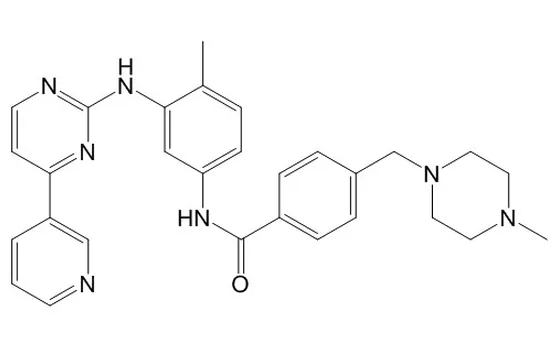
六、分析:证「是哪种晶型」,还要证「混了多少」6. Analysis: prove which form it is, and prove how much of each
鉴别Identification。XRPD 首选,给特征 2θ 峰及相对强度作指纹。DSC 作正交证据:α 与 β 熔融峰差 6–7 °C,纯晶型单峰,混晶出肩峰或双峰——但 DSC 对少量混晶不敏感,低于一定量级就得换手段。拉曼更灵敏且有原位能力:公开数据显示 β 的特征带约 1656 cm. XRPD comes first, giving characteristic 2θ peaks and relative intensities as a fingerprint. DSC provides orthogonal evidence: the α and β melts differ by 6–7 °C, a pure form gives one peak and a mixture gives a shoulder or two peaks, but DSC is insensitive to small amounts of the minor form and another technique is needed below a certain level. Raman is more sensitive and can work in situ: published data put the β band near 1656 cm-1、α 约 1664 cm and the α band near 1664 cm-1,转变过程中还能看到约 1567 cm, and during the transition a new band near 1567 cm-1 的新峰随 β 生成而增强 grows as β forms[2]。原位拉曼不用取样与前处理,插探头就能看转晶走完没有。固态核磁作最后一道,用于辅料干扰大、衍射峰重叠的场合。. In-situ Raman needs no sampling or preparation: insert the probe and watch whether the transition has completed. Solid-state NMR is the last resort, for cases where excipient interference is severe and diffraction peaks overlap.
定量Quantitation。要用已知比例混晶自制标准曲线并做基质校正。本品的 XRPD 定量方法已有公开报道,覆盖原料药与片剂两种基质. Build an in-house calibration curve from mixtures of known ratio and apply matrix correction. A quantitative XRPD method for this substance has been published, covering both drug substance and tablet matrices[5]。片剂里做定量有两个现实困难:辅料衍射峰与 API 重叠,必须选无干扰特征峰;样品前处理会改变晶型——α 与 β 研磨后都会产生无定形,需靠升温或老化回晶,终点还依赖起始物料与晶种. Quantitation in tablets faces two practical difficulties: excipient diffraction peaks overlap the API, so an interference-free characteristic peak must be chosen, and sample preparation itself alters the form, since grinding either α or β produces amorphous material that must be recrystallised by heating or ageing, with the end point depending on the starting material and on seeding[1]。制样本身就能改变结论,方法学必须固定研磨强度与时间,并验证「制样不改变晶型」。. Sample preparation alone can change the conclusion, so the method must fix grinding intensity and duration and demonstrate that preparation does not alter the form.
灵敏度要写清楚State the sensitivity explicitly。常规 XRPD 定量的检出能力在百分之几量级,痕量混晶靠拉曼面扫或固态核磁补。方法只能看到百分之几,就不能用「未检出」回答「有没有混晶」。. Routine quantitative XRPD detects at the level of a few percent, with trace mixtures covered by Raman mapping or solid-state NMR. If the method only sees a few percent, not detected cannot be the answer to whether a mixture is present.
七、申报与发补:晶型这块会被问到什么7. Filing and deficiencies: what gets asked about polymorphism
ICH Q6A 的决策树 4 就是给多晶型的,它只问三件事:原料药是否存在多晶型?拟上市晶型是否就是研究过的那个?晶型差异是否影响溶解度、溶出度、稳定性或可加工性Decision tree 4 of ICH Q6A exists for polymorphism and asks only three questions: is the drug substance polymorphic; is the intended commercial form the one that was studied; and does the polymorphic difference affect solubility, dissolution, stability or processability[6]。三问答完,晶型要不要写进标准、写到什么程度自然清楚。. Answer those three and it becomes clear whether the form belongs in the specification and in how much detail.
落到资料上最容易被挑的有五处:晶型鉴别只给一张 XRPD、没有正交手段;没有混晶定量方法与验证,只有「未检出其他晶型」一句结论;批间一致性只做一批;稳定性只报含量与有关物质、不报晶型;制剂中的晶型只做了原料药。后两处尤其不能省:辅料相容性数据已显示高温会把 α 往 β 推Five points in a dossier are most easily challenged: identification resting on a single XRPD pattern with no orthogonal technique; no quantitative method or validation for mixtures, only the conclusion that no other form was detected; batch consistency from one batch only; stability reporting assay and related substances but not polymorph; and polymorph work done only on the drug substance. The last two are especially indispensable: the excipient compatibility data already show that heat pushes α towards β[3],而本品片剂工艺涉及湿热与干燥。, and the tablet process for this substance involves wet granulation and drying.
稳定性按 Q1A(R2) 通用条件设计Design stability per the general Q1A(R2) conditions[7],晶型作为独立考察项写进方案与报告。加速条件 40 °C/75% RH 对本品的意义大于多数品种:它同时推动化学降解与转晶,两条曲线要放在一张图上看。, with polymorph as a separate test item in both protocol and report. The accelerated condition of 40 °C/75% RH matters more for this substance than for most, because it drives chemical degradation and phase transition at once, and the two curves should be read on one figure.
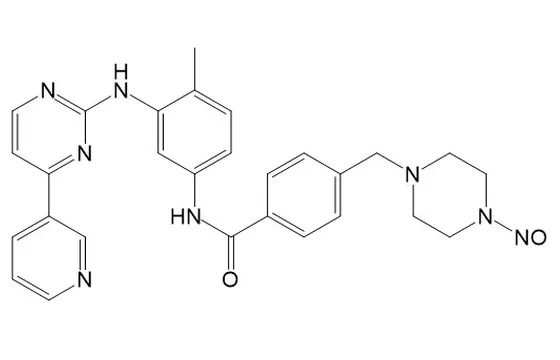
还有一条容易忽略:晶型与降解产物是两条独立的线。本目录同时收录 EP 杂质 A(酰胺水解产物,CAS 123367-26-0)与 N1-亚硝基 EP 杂质 C(CAS 2816369-80-7):前者是水解通道的定位物,后者说明这个多仲胺氮骨架同样要考虑亚硝化——两件事都不属于晶型问题,但同一份稳定性报告里必须都有交代。One more point is easily missed: polymorph and degradation products are two independent lines. This catalogue carries both EP Impurity A (the amide hydrolysis product, CAS 123367-26-0) and N1-nitroso EP Impurity C (CAS 2816369-80-7): the first marks the hydrolysis channel, the second shows that a skeleton with several secondary amine nitrogens must also be assessed for nitrosation. Neither belongs to the polymorphism question, yet both must be addressed in the same stability report.
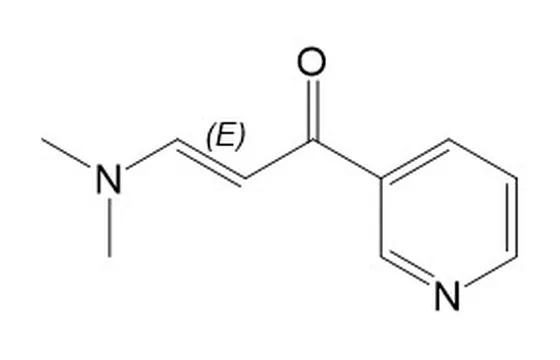
下面这组数据来自 CDE 公开受理记录,用来说明这个品种在国内的申报密度,不作为获批依据The following data come from public CDE acceptance records and illustrate the filing density for this substance in China; they are not evidence of approval[8]。
八、五个常见误区8. Five common misconceptions
- 「熔点高就更稳定」。"A higher melting point means greater stability."本品的 α 熔点更高、室温却更不稳定,就是反例。熔点只说明晶格在什么温度垮掉,不说明 25 °C 下谁的自由能低。 Here α melts higher yet is the less stable at room temperature, a counterexample. Melting point says at what temperature the lattice collapses, not which form has the lower free energy at 25 °C.
- 「含量合格就说明晶型没问题」。"A passing assay means the polymorph is fine."等温应力 3 周含量都在 98% 以上,α 却已经在向 β 转 After three weeks of isothermal stress the assay stayed above 98% while α was already converting to β[3]。两条线要分开测、分开报。. The two lines must be measured and reported separately.
- 「一张 XRPD 就能证明晶型一致」。"One XRPD pattern proves the form is consistent."鉴别不等于定量,单批不等于批间一致,原料药不等于制剂,三件事各要一套数据。 Identification is not quantitation, a single batch is not batch consistency, and the drug substance is not the formulation; each of the three needs its own data.
- 「制样随便磨一下没关系」。"Grinding the sample however is harmless."α 与 β 研磨后都会产生无定形,回晶终点还与晶种有关 Grinding either α or β produces amorphous material, and the recrystallisation end point depends on seeding too[1]。研磨强度与时间不固定,同一样品能做出两种结论。. Leave grinding intensity and duration unfixed and the same sample yields two different conclusions.
- 「换结晶溶剂只是工艺优化」。"Changing the crystallisation solvent is just process optimisation."转变速率由溶剂决定,庚烷最快、水最慢 The transition rate is set by the solvent, fastest in heptane and slowest in water[2]。换溶剂等于换晶型,应按变更管理处理。. Changing solvent means changing the form and should be managed as a change.
本目录收录甲磺酸伊马替尼相关条目 This catalogue contains 55 条(含本体与 51 个编号杂质),覆盖甲磺酸盐与游离碱双形态、7 条 EP 杂质字母映射,以及 EP 杂质 A 与 N1-亚硝基 EP 杂质 C 这两个稳定性研究里最常被点名的条目,可用于晶型之外的降解归属与对照品选型: entries (including the parent and 51 numbered impurities), covering both the mesylate and the free base, 7 letter-mapped EP impurities, and the two entries most often named in stability work, EP Impurity A and N1-nitroso EP Impurity C, supporting degradation assignment and reference standard selection beyond polymorphism: → 查看甲磺酸伊马替尼全部条目→ View all imatinib mesylate entries
常见问题(FAQ)Frequently asked questions (FAQ)
α 和 β 哪个是原研晶型?我该定哪个?Which of α and β is the originator's form, and which should I choose?
熔点能不能用来判断晶型稳定性?Can melting point be used to judge polymorph stability?
混晶到多少需要控制?At what level of mixed form must it be controlled?
片剂里怎么测 API 晶型?How is the API polymorph measured in tablets?
硬脂酸镁一定要换掉吗?Must magnesium stearate be replaced?
换结晶溶剂需要重做晶型研究吗?Does changing the crystallisation solvent require new polymorph work?
稳定性研究里晶型要单独设考察项吗?Should polymorph be a separate item in stability studies?
这个品种的亚硝胺风险和晶型有关吗?Is the nitrosamine risk for this substance related to polymorphism?
相关品种与对照品Related drug substances and reference standards
- 甲磺酸伊马替尼 / Imatinib MesylateImatinib Mesylate(共 55 个杂质/衍生物条目)(55 impurity and derivative entries in total)
- 尼洛替尼 / NilotinibNilotinib(共 40 个杂质/衍生物条目)(40 impurity and derivative entries in total)
- 达沙替尼 / DasatinibDasatinib(共 56 个杂质/衍生物条目)(56 impurity and derivative entries in total)
- 甲苯磺酸索拉非尼 / Sorafenib TosylateSorafenib Tosylate(共 94 个杂质/衍生物条目)(94 impurity and derivative entries in total)
- 甲磺酸多沙唑嗪 / Doxazosin MesylateDoxazosin Mesylate(共 22 个杂质/衍生物条目)(22 impurity and derivative entries in total)
参考资料与来源References and sources
- Journal of Pharmaceutical Sciences(Wiley),Grillo D., Polla G., Vega D.《Conformational Polymorphism on Imatinib Mesylate: Grinding Effects》,2012 年第 101 卷第 541–551 页(DOI 10.1002/jps.22772)Grillo D., Polla G., Vega D., "Conformational Polymorphism on Imatinib Mesylate: Grinding Effects", 2012, Vol. 101, pp. 541–551 (DOI 10.1002/jps.22772),访问日期 2026-10-21, accessed 2026-10-21
- CrystEngComm(英国皇家化学会)《Systematic workflow for crystallization process design for a polymorphic system: an experimental case study of imatinib mesylate》,2026 年(DOI 10.1039/D5CE00852B;出版商站点拒绝自动访问,故仅给 DOI 文本)CrystEngComm (Royal Society of Chemistry), "Systematic workflow for crystallization process design for a polymorphic system: an experimental case study of imatinib mesylate", 2026 (DOI 10.1039/D5CE00852B; the publisher site blocks automated access, so the DOI is given as text only)
- ACS Omega,Mou Y., Zhao Y., Wen S., Li X., Zhang W., Xu X., Wang Y.《Compatibility Studies of Different Crystal Forms of Imatinib Mesylate with Pharmaceutical Excipients》,2025 年(PMC11840774)Mou Y., Zhao Y., Wen S., Li X., Zhang W., Xu X., Wang Y., "Compatibility Studies of Different Crystal Forms of Imatinib Mesylate with Pharmaceutical Excipients", 2025 (PMC11840774),访问日期 2026-10-21, accessed 2026-10-21
- 欧洲药品质量管理局(EDQM)《欧洲药典》甲磺酸伊马替尼各论(Imatinib Mesylate)European Directorate for the Quality of Medicines (EDQM), European Pharmacopoeia monograph on Imatinib Mesylate
- Journal of Pharmaceutical and Biomedical Analysis(Elsevier),《Quantitative determination of two polymorphic forms of imatinib mesylate in a drug substance and tablet formulation》,2015 年(DOI 10.1016/j.jpba.2015.06.011)"Quantitative determination of two polymorphic forms of imatinib mesylate in a drug substance and tablet formulation", 2015 (DOI 10.1016/j.jpba.2015.06.011),访问日期 2026-10-21, accessed 2026-10-21
- ICH,ICH Q6A《规范:新原料药和新制剂的检测项目和接受标准》(含决策树 4:多晶型)ICH Q6A Specifications: Test Procedures and Acceptance Criteria for New Drug Substances and New Drug Products (including decision tree 4, polymorphism),访问日期 2026-10-21, accessed 2026-10-21
- ICH,ICH Q1A(R2)《新原料药和制剂的稳定性试验》ICH Q1A(R2) Stability Testing of New Drug Substances and Products,访问日期 2026-10-21, accessed 2026-10-21
- 国家药品监督管理局药品审评中心(CDE),Center for Drug Evaluation (CDE), NMPA, 受理品种信息公开(甲磺酸伊马替尼)public acceptance information (imatinib mesylate),访问日期 2026-10-21, accessed 2026-10-21
说明:本文为 CATO 佳途技术团队原创整理,其中引用的法规、药典与公开文献内容已在上方标注来源,仅用于技术交流与检索参考,不构成质量标准或法规建议;具体品种的检测方法、限值与申报要求,请以现行法规、药典正文及官方发布为准。Note: this article was compiled by the CATO technical team. Regulatory, pharmacopoeial and public literature content cited has been sourced above and is provided for technical exchange and search reference only; it does not constitute a quality specification or regulatory advice. For the test methods, limits and filing requirements of any specific product, the current regulations, pharmacopoeial monographs and official publications prevail.
本站产品信息仅供科研检索与选型参考,不作为质量标准依据;技术参数、纯度与结构确证以随货 COA 及我方书面确认为准。本文涉及的产品均为科研用途,不用于人体或动物诊断、治疗。Product information on this site is for scientific search and selection reference only and is not a quality specification; technical data, purity and structural confirmation are governed by the shipped COA and our written confirmation. All products mentioned are for research use only and are not intended for human or animal diagnosis or treatment.