秋水仙素 杂质对照品Colchicine Impurities
本页汇总 秋水仙素 的 13 个杂质对照品条目,其中药典杂质标注了 EP/USP 编号。杂质谱是仿制药杂质研究、方法开发与稳定性考察的起点——先锁定品种,再逐条比对结构差异与保留行为。This page collects 13 impurity reference standards of Colchicine with EP/USP numbering where applicable. The impurity profile is the starting point for related-substance method development, forced degradation and stability studies.
相关研究文献Related literature
以下为 秋水仙素(Colchicine)在公开文献中的研究报道(题录信息,来源 PubMed),供方法开发与文献调研参考。Selected peer-reviewed publications on this drug substance — bibliographic records from PubMed.
- 分析方法Analytical MethodsDevelopment and Validation of a Rapid and Simple UHPLC-MS/MS Method for the Determination of Colchicine in Human Plasma
Biomedical chromatography : BMC · 2025 · Žideková N et al. · PMID 40987560 · DOI - 分析方法Analytical MethodsDevelopment, validation, and clinical application of a rapid UPLC-MS/MS method for detection of colchicine in human whole blood and urine
Biomedical chromatography : BMC · 2022 · Bi C et al. · PMID 35766796 · DOI - 分析方法Analytical MethodsExtraction, development and validation of HPLC-UV method for rapid and sensitive determination of colchicine from Colchicum autumnale L. Bulbs
Saudi journal of biological sciences · 2019 · Çankaya N et al. · PMID 31485175 · DOI - 分析方法Analytical MethodsSimultaneous determination of colchicine and febuxostat in rat plasma: Application in a rat pharmacokinetic study
Biomedical chromatography : BMC · 2020 · Gabani BB et al. · PMID 32614997 · DOI
合成路线参考Reported synthetic routes
以下为公开文献中报道的合成方法(题录信息)。标题多已点明关键反应,可据此查阅原文了解完整路线与工艺条件。Published synthetic approaches. Titles usually name the key transformation; consult the original articles for full routes.
- 合成方法SynthesisSynthesis of [99mTc]ethylenedicysteine-colchicine for evaluation of antiangiogenic effect
Anti-cancer drugs · 1999 · Zareneyrizi F et al. · PMID 10507319 · DOI
秋水仙素 —— 原料药与杂质对照品Colchicine — drug substance & impurities
共 13 个条目(含原料药本体)13 items incl. the drug substance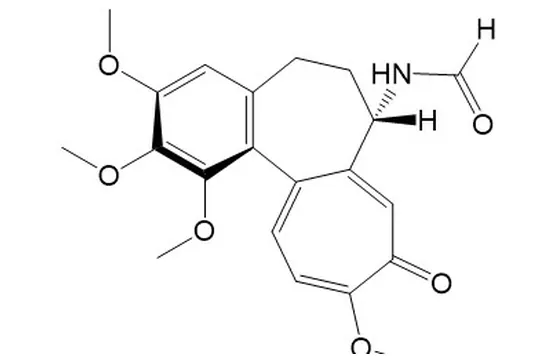
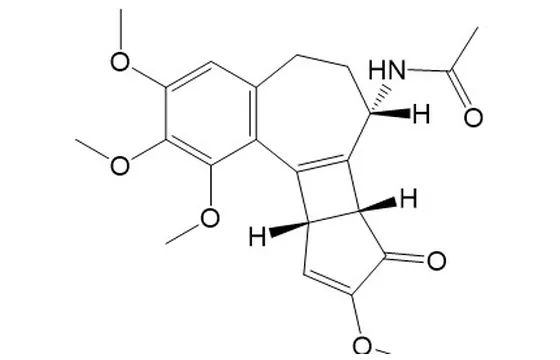
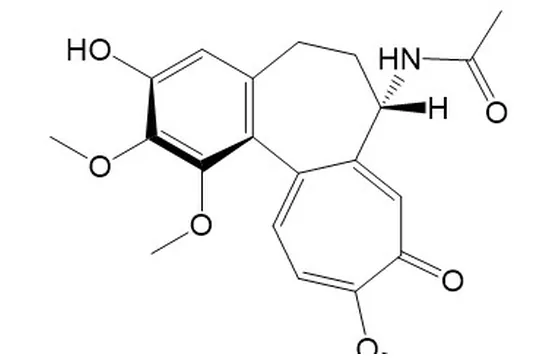
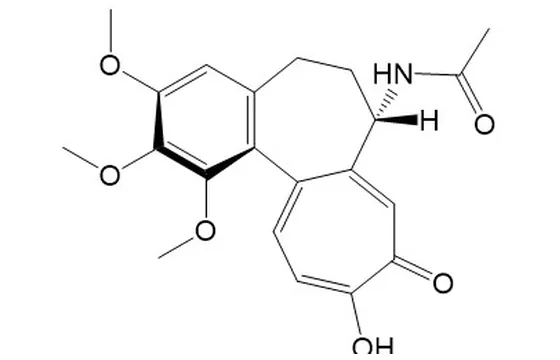
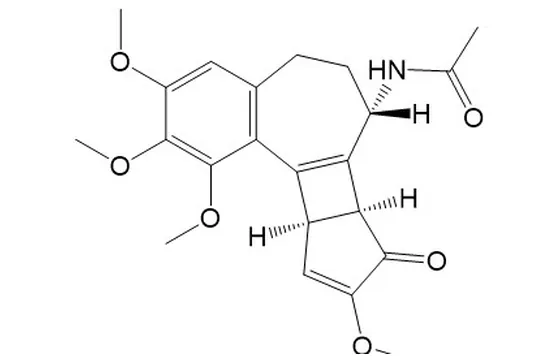
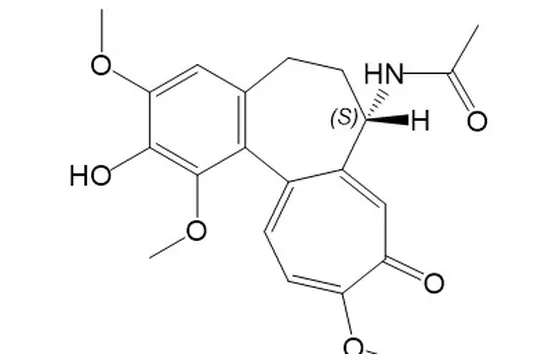
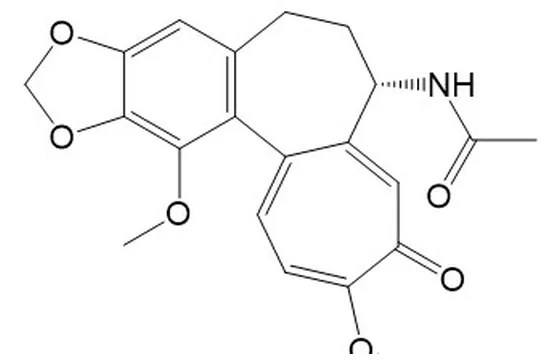
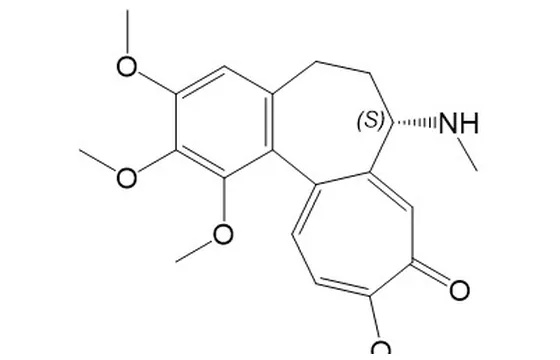
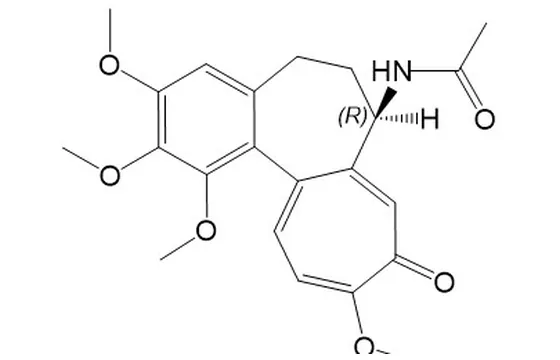
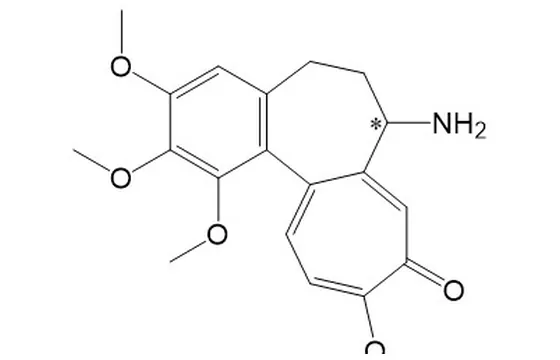
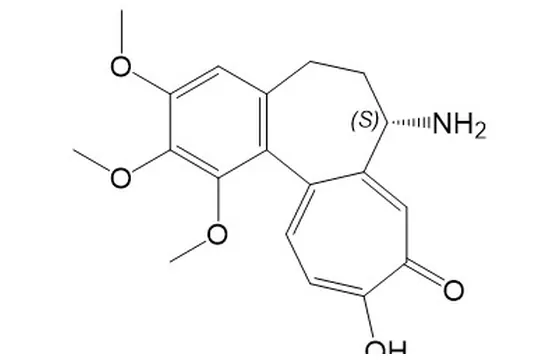
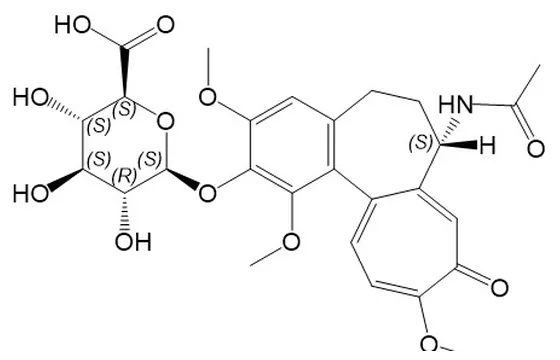
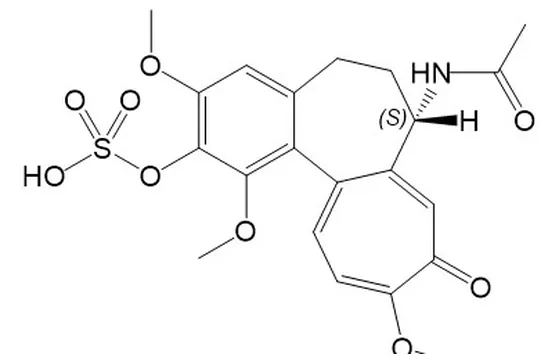
结构式清晰度以随货 COA 与厂家图谱为准;目录之外的杂质可按需定制合成或调取。Structural confirmation is governed by the COA and manufacturer spectra. Impurities outside this list can be custom-synthesised or sourced on request.
秋水仙素 —— 研究文献与合成路线Colchicine — literature & synthetic routes
以下题录由公开学术数据库按品种名检索汇总,供 秋水仙素 的杂质谱研究、分析方法开发与工艺路线选择参考。文献题名与专利标题均可点击查看原文,版权归原作者与出版方所有。Citations below are aggregated from public scholarly databases by drug-substance name, for reference in impurity profiling, analytical method development and route selection for Colchicine. Titles link to the original records; copyright remains with the authors and publishers.
杂质与降解研究文献Impurity & degradation studies
- Targeting Tubulin-colchicine Site for Cancer Therapy: Inhibitors, Antibody- Drug Conjugates and Degradation Agents
- Low-Dose Colchicine Ameliorates Doxorubicin Cardiotoxicity Via Promoting Autolysosome Degradation
- Does long term colchicine prevent degradation of collagen fiber network in osteoarthritis?
- Structure-based design and synthesis of BML284 derivatives: A novel class of colchicine-site noncovalent tubulin degradation agents
- Inhibition of cardiac proteolysis by colchicine. Selective effects on degradation of protein subclasses
- Colchicine inhibits macrophage motility and matrix degradation through microtubule disruption
合成与制备工艺专利Synthesis & process patents
- "PROCESS FOR THE GLYCOSIDATION OF COLCHICINE AND THIOCOLCHICINE"
- PROCESS FOR THE GLYCOSIDATION OF COLCHICINE AND THIOCOLCHICINE
- PROCESS FOR THE GLYCOSIDATION OF COLCHICINE AND THIOCOLCHICINE
- PROCESS FOR THE GLYCOSIDATION OF COLCHICINE AND THIOCOLCHICINE
- COLCHICINE DERIVATIVES, PROCESS FOR THEIR PREPARATION AND USE IN THE MEDICAL FIELD
题录与链接来自公开数据库 Europe PMC(含 PubMed 与全球专利题录)与 WIPO PatentScope,本站仅提供索引,不转载正文;如链接失效请以数据库检索为准。Citations are indexed from public databases (Europe PMC incl. PubMed and patent records, WIPO PatentScope); we provide links only and do not reproduce full text.
秋水仙素 杂质谱研究要点Colchicine — impurity profiling notes
下面这些是拿到 秋水仙素 的 13 个杂质条目之后,仿制药研发最常遇到的几件事。先把杂质的来源分清,再决定要不要买对照品、买哪几个。Once you have the 13 impurity entries for Colchicine, these are the questions that come up most in generic development. Classify the source of each impurity first, then decide which reference standards you actually need.
01工艺杂质Process impurities
起始物料、中间体、副产物、催化剂与溶剂残留。多来自合成路线本身,应在工艺开发阶段用加标试验定位。Starting materials, intermediates, by-products, catalysts and residual solvents — traced back to the synthetic route and located with spiking studies during process development.
02降解杂质Degradation impurities
水解、氧化、光解、高温高湿与聚合产物。需通过强制降解试验识别,并确认方法具备稳定性指示能力。Hydrolytic, oxidative, photolytic, thermal and polymeric degradants — identified through forced degradation, with the method proven stability-indicating.
03药典杂质Pharmacopoeial impurities
EP/USP 已收载并有官方编号的杂质(如 EP Impurity A、USP Related Compound B)。申报时通常需逐项对照。Impurities already monographed with official designations (e.g. EP Impurity A, USP Related Compound B), normally compared item by item during filing.
04基因毒性杂质Genotoxic impurities
含警示结构、需按 ICH M7 进行危害评估与限度推导(TTC 1.5 µg/日)。该类杂质必须用对照品准确控制。Structurally alerting compounds requiring ICH M7 hazard assessment and limit derivation (TTC 1.5 µg/day); these must be controlled with an authentic reference standard.
05同位素标记物Isotopically labelled standards
氘代、¹³C、¹⁵N 标记的同类物,主要用作 LC-MS/MS 生物分析的内标,抵消基质效应与回收率波动。Deuterated, ¹³C- and ¹⁵N-labelled analogues used as internal standards in LC-MS/MS bioanalysis to compensate matrix effects and recovery variation.
06代谢与转化产物Metabolites & conversion products
体内代谢物、强制降解转化物与工艺中间态,常见于杂质谱比对与稳定性考察中。In-vivo metabolites, forced-degradation products and process intermediates encountered in impurity profiling and stability studies.
方法开发与对照品使用建议Method development and standards usage
主成分与相邻杂质峰分离度应 ≥1.5;用杂质对照品确定相对保留时间与相对响应因子,避免用自身对照法掩盖响应差异。Target baseline resolution ≥1.5 between the main component and adjacent impurities; establish relative retention and relative response factors with authentic impurity standards rather than relying on self-comparison.
紫外吸收差异大的杂质必须校正,否则定量结果系统性偏低或偏高。EP/USP 已给出校正因子的按药典执行。Impurities with markedly different UV response need correction, otherwise results are systematically biased. Where EP/USP publish a correction factor, follow the monograph.
建议覆盖酸、碱、氧化(H₂O₂)、光照(ICH Q1B)、高温高湿;主峰纯度用二极管阵列或质谱确认。Cover acid, base, peroxide oxidation, photostability (ICH Q1B) and heat/humidity; confirm peak purity by DAD or MS.
按 ICH Q3A/Q3B 设定报告阈值、鉴定阈值与界定阈值,避免为无意义的峰投入过多工作量。Apply ICH Q3A/Q3B reporting, identification and qualification thresholds so effort is not spent on insignificant peaks.
杂质对照品多建议 −20 ℃ 避光、干燥、密封保存;溶液现配现用,并记录开瓶与配制日期。Most impurity standards should be stored at −20 °C, protected from light and moisture; prepare solutions fresh and record opening and preparation dates.
先比对杂质与主成分的结构差异,可预判其保留行为、紫外响应与可能的降解路径,能显著减少试错。Comparing the impurity structure with the parent drug predicts retention behaviour, UV response and probable degradation routes, cutting trial and error.