大杂质系列品种的对照品体系:300+ 条杂质从哪来、仿制药该怎么买Reference Standard Systems for Substances With Large Impurity Series: Where 300-Plus Impurities Come From and How Generics Should Buy Them
第一次打开 塞普替尼 的杂质清单,很多人会愣一下:300 多条。这个数量是虚高吗?不是。这篇文章回答三个实操问题:一个现代 API 的杂质对照品体系由什么构成、为什么能到 300+ 条、以及做仿制药的时候该按什么顺序买——因为全买一遍,预算和货期都不现实。
Open the impurity list for selpercatinib for the first time and many people pause: more than 300 entries. Is that number inflated? No. This article answers three practical questions: what a modern API impurity reference standard system is made of, why it reaches 300-plus, and in what order a generic developer should buy, because buying everything is unrealistic in both budget and lead time.
Note: product names shown in red (marked with ↗) are clickable. Click to open the product page for structure, CAS number, purity and lead time.
一、一个 300+ 条的对照品体系由什么构成1. What a 300-plus reference standard system is actually made of
关键要点Key points
- 一个 300+ 条的对照品体系,来源不是"药典A reference standard system of 300-plus entries does not come from a pharmacopoeia[3]列了 300 个杂质",而是**工艺杂质 + 降解产物 + 中间体 + 立体异构体 + 分析用衍生物**的累加。listing 300 impurities; it is the accumulation of **process impurities, degradation products, intermediates, stereoisomers and analytical derivatives**.
- 编号存在缺口是常态:供应商目录按**项目立项顺序**编号,不是按结构连续编号——缺号多数是尚未商业化或已停售的条目,**不等于杂质谱不完整**。Gaps in numbering are normal: supplier catalogues number by **order of project initiation**, not consecutively by structure, so a missing number usually marks an entry that was never commercialised or has been withdrawn, and **does not mean the impurity profile is incomplete**.
- 必须分清三套编号:药典编号、供应商目录编号、CAS。**用一套去查另一套必然出错**,以 CAS/结构式为准。Three numbering systems must be kept apart: pharmacopoeial numbers, supplier catalogue numbers and CAS. **Looking one up by another always fails**; go by CAS and structure.
- 采购优先级分三期:**必买**(药典收载 / 已确证的工艺与降解杂质)、**备买**(潜在杂质、方法开发用)、**按需**(罕见衍生物、内标)。Purchasing priority runs in three phases: **must buy** (pharmacopoeial entries and confirmed process and degradation impurities), **should buy** (potential impurities, method development), and **as needed** (rare derivatives, internal standards).
把大品种的杂质清单按来源拆开,会看到它其实是一组来源不同的物质被统一编了号:Break a major substance's impurity list down by origin and what emerges is a group of materials from different sources unified under one numbering scheme:
- 起始物料与其中间体Starting materials and their intermediates:合成路线的每一步投入物,以及它们自身带进来的杂质;: the inputs at each step of the synthetic route, plus the impurities they carry in themselves;
- 工艺中间体Process intermediates:反应过程中生成、又未完全转化的中间体;: intermediates formed in the reaction that are not fully converted;
- 副反应产物Side-reaction products:异构化、过度反应、降解产生的副产物;: by-products of isomerisation, over-reaction and degradation;
- 立体异构体Stereoisomers:手性中心带来的非对映异构体与对映异构体;: diastereomers and enantiomers arising from stereocentres;
- 降解产物Degradation products:由强制降解试验与稳定性研究识别出的降解物;: degradants identified in forced degradation and stability studies;
- 代谢物Metabolites:部分目录会把药物代谢物也纳入编号体系(尤其在原研药研究中);: some catalogues also fold drug metabolites into the numbering, particularly in originator research;
- 参比/定位用物质Reference and marker substances:用于色谱峰定位或系统适用性试验的对照物质;: materials used for chromatographic peak assignment or system suitability;
- 衍生物与相关物质Derivatives and related substances:如成盐形式差异、保护基片段等。: salt-form variants, protecting-group fragments and the like.
关键在于:The key point: 这 8 类物质的来源不同,但你买的时候看到的是同一个编号序列。these eight classes have different origins, yet when you buy you see one single numbering sequence.不理解这一点,就很容易在采购上花冤枉钱——把大量与你的路线无关的杂质买回来,真正需要的那几个却漏了。 Miss that and purchasing money is easily wasted: a pile of impurities irrelevant to your route arrives while the handful you actually need is missing.
| 编号体系Numbering system | 编号依据Basis of numbering | 用途Purpose | 能否互相换算Interconvertible |
|---|---|---|---|
| 药典编号Pharmacopoeial number | 专论中杂质条目的字母/序号Letter or ordinal of an impurity entry in the monograph | 法定对照品、注册申报引用Official reference standards; citation in filings | 否No |
| 供应商目录编号Supplier catalogue number | 企业项目立项顺序Order of project initiation within the company | 产品目录、采购下单Product catalogue, purchase orders | 否No |
| CAS 号CAS number | 化学物质唯一标识Unique chemical identifier | **跨体系映射的唯一锚点****The only anchor for cross-system mapping** | — |
表注:三套编号互不隶属,任何"编号换算表"都不成立;跨体系核对只能以化学身份为基准。Table note: the three systems are independent, no conversion table between them can exist, and cross-system checking can only proceed from chemical identity.
二、为什么能到 300+ 条:用两个真实品种说明2. Why it reaches 300-plus: two real substances as evidence
看两组实测数据,比讲道理更清楚:Two sets of measured data are clearer than argument:
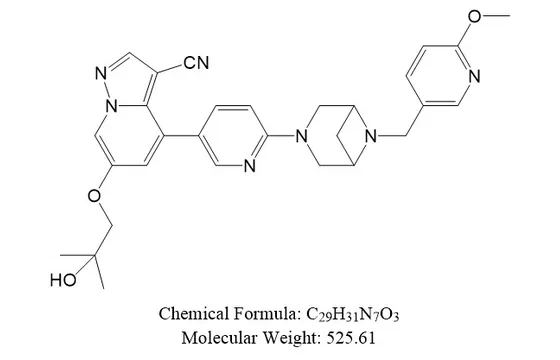
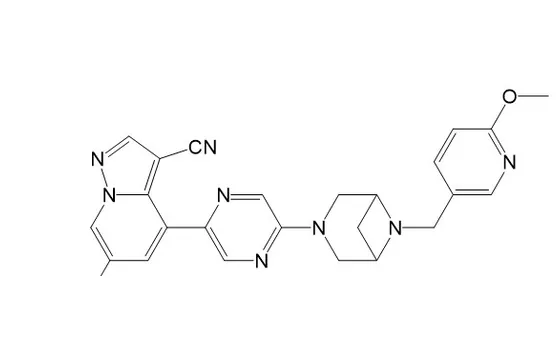
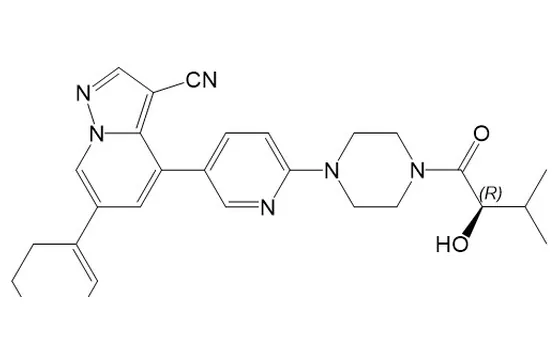
- 塞普替尼Selpercatinib↗(Selpercatinib):清单共 317 个条目(含 1 个主成分条目),其中: 317 entries in total (including one parent entry), of which 编号杂质 316 个316 are numbered impurities,编号覆盖 , with numbering spanning 1–320,只缺 8、9、10、12 四个号。 and only four numbers missing: 8, 9, 10 and 12.
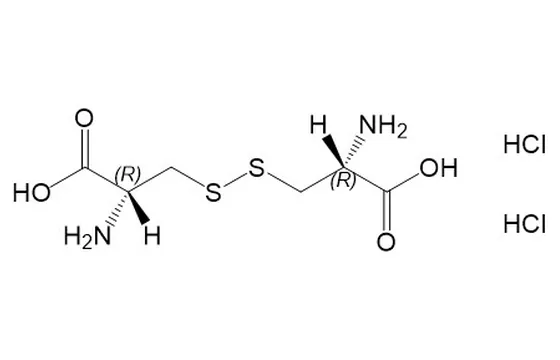
- 乙酰半胱氨酸Acetylcysteine↗(Acetylcysteine):清单共 311 个条目,其中: 311 entries in total, of which 编号杂质 272 个272 are numbered impurities,但编号上界已经到 , yet the numbering already reaches 382——也就是说,编号序列里: in other words, within the sequence 缺了 110 个号110 numbers are missing。
- 托西尼布Toceranib↗(Toceranib):292 个条目,291 个编号杂质,编号从 2 到 292,缺 1 号。: 292 entries, 291 numbered impurities, numbered from 2 to 292 with number 1 missing.
这两组数据放在一起,能读出两个重要信息:Read together, these two data sets give two important messages:
第一,数量本身是合理的。First, the number itself is reasonable.高官能团化分子、多步合成、多手性中心、多条降解途径叠加起来,产物谱系确实会非常庞大。塞普替尼这类分子有 300 多个已知相关物质并不奇怪。 Stack a heavily functionalised molecule, a multi-step synthesis, several stereocentres and multiple degradation pathways together and the product lineage really does become enormous. Three hundred known related substances for a molecule like selpercatinib is unsurprising.
第二,编号的上界不等于杂质的个数。Second, the upper bound of the numbering is not the number of impurities.乙酰半胱氨酸的编号已经排到 382,但实际只有 272 个编号杂质—— Acetylcysteine's numbering already reaches 382 while it has only 272 numbered impurities: 缺号 110 个110 numbers missing。这说明编号序列是. This shows that the numbering sequence is a 管理工具management tool,不是杂质计数。缺号可能来自合并、停用、与药典编号对齐时的留空等原因。, not an impurity count. Gaps may come from merges, withdrawals, or deliberate blanks left when aligning with pharmacopoeial numbers. 看到「编号到 382」就以为有 382 个杂质,是最常见的误读。Reading a numbering that reaches 382 as 382 impurities is the most common misinterpretation.
三、必须分清的三套编号:别用一套去查另一套3. The three numbering systems you must keep apart, and never look one up by another
这正是实操中最容易出事故的地方。同一个杂质,你在不同地方会看到不同的“名字”:This is where practical work goes wrong most often. One impurity appears under different names in different places:
- 供应商目录编号Supplier catalogue number(如「XX 杂质 25」):由供应商自建,用于目录管理,(for example XX Impurity 25): created by the supplier for catalogue management, 不同供应商之间的编号不互通numbers do not correspond between suppliers;
- 药典编号Pharmacopoeial number(如「杂质 A」「杂质 C」):由药典专论定义,具有法定地位,是质量标准里引用的那个;(for example Impurity A, Impurity C): defined by the pharmacopoeial monograph with legal standing, and the one cited in the specification;
- CAS 号CAS number:化合物的唯一标识,是最可靠的跨体系“身份证”。: the unique identifier of the compound and the most reliable cross-system identity document.
三者的关系是:The relationship between them is: 药典编号是法定的,供应商编号是管理的,CAS 号是化学的。the pharmacopoeial number is legal, the supplier number is administrative, the CAS number is chemical.只有 CAS 号能跨体系对应。所以做跨体系比对时,正确做法是:先用 CAS 号确认是同一个化合物,再去核对各自的编号—— Only the CAS number maps across systems. Cross-system comparison therefore proceeds correctly by first confirming with CAS that it is the same compound, then checking the respective numbers: 绝不能用供应商编号去药典里查never look up a supplier number in a pharmacopoeia。
这一点在申报时尤其重要:质量标准里写的必须是药典编号(或化学名称),而不是你采购时看到的供应商目录编号。把这两者混用,是很典型的一类发补原因。This matters especially in filings: the specification must cite the pharmacopoeial number or the chemical name, not the supplier catalogue number seen at purchase. Conflating the two is a classic cause of deficiency letters.
四、仿制药的采购优先级:分三期买,不要一次买齐4. Purchasing priority for generics: buy in three phases, not all at once
300 多个杂质不可能也不需要一次买齐。按项目阶段分三期采购,是更现实的策略:Buying all 300-plus at once is neither possible nor necessary. Phasing the purchase by project stage is the more realistic strategy:
第一期(方法开发阶段)——先买「必须有」的:Phase one (method development): buy what must exist first.
- 药典专论中列出的已知杂质(这些是质量标准的必检项);known impurities listed in the pharmacopoeial monograph, which are mandatory specification items;
- 你的合成路线上的关键中间体与主要副产物(用于杂质谱归属);key intermediates and principal by-products on your synthetic route, for impurity profile assignment;
- 系统适用性试验所需的定位用物质。marker substances needed for system suitability.
第二期(强制降解与稳定性阶段)——补「降解相关」的:Phase two (forced degradation and stability): fill in what relates to degradation.
- 强制降解试验中实际出现的降解产物;degradation products that actually appear in forced degradation;
- 稳定性考察中随时间增长的那些杂质。those impurities that grow with time during stability.
第三期(申报补强阶段)——补「审评可能追问」的:Phase three (filing reinforcement): fill in what review may ask about.
- 警示结构相关的杂质(用于 GTI 论证与清除率研究);impurities bearing structural alerts, for genotoxic impurity arguments and purge studies;
- 药典未列出、但你路线或处方可能产生的杂质;impurities not listed in the pharmacopoeia but possible from your route or formulation;
- 横向对照用的同系列杂质(用于论证方法能区分相近结构)。same-series impurities for cross-comparison, to show the method resolves closely related structures.
这样安排的好处很实际:The benefit is practical: 第一期通常只占清单的一小部分,但已经能支撑方法开发启动phase one usually covers only a small part of the list yet is enough to start method development;等到后期明确了真正的杂质谱,再定向补货,避免为 300 个里的 200 个无关项提前付钱。; once the real impurity profile is clear, top up in a targeted way, avoiding advance payment for 200 of the 300 that turn out to be irrelevant. 分期采购既是成本控制,也是研发节奏控制。Phased purchasing controls cost and also paces development.
五、成本之外,更该盯的是「可得性」5. Beyond cost, watch availability
做预算时大家会算单价,但真正会让项目延期的是Budgets focus on unit price, but what actually delays a project is 拿不到货being unable to obtain the material。有几个现实约束:. Several real constraints apply:
- 结构越复杂、合成步骤越多,能供应的来源越少。The more complex the structure and the more synthetic steps, the fewer the sources able to supply it.某些杂质可能只有一两家供应商在做; some impurities may be made by only one or two suppliers;
- 定制合成的周期远长于现货。custom synthesis takes far longer than off-the-shelf supply.如果需要定制,交付周期往往以周甚至月计,必须提前排期; where custom synthesis is required, lead times are typically weeks to months and must be scheduled early;
- 对照品的有效期与储存条件会影响复购节奏。shelf life and storage conditions of reference standards set the reordering rhythm.不稳定或需低温保存的对照品,不能一次囤太多; unstable standards or those needing cold storage should not be stockpiled heavily;
- 用量估算要留余量。consumption estimates need headroom.方法开发、验证、稳定性考察、申报复测都要消耗,中途断货比一次多买贵得多。 Method development, validation, stability and filing retests all consume material, and running out mid-project costs far more than buying extra once.
落到动作上:In practice: 在项目立项阶段就把清单过一遍,标记出「只有单一来源」和「需要定制」的条目review the list at project initiation and flag the single-source and custom-synthesis entries,优先锁定这几项的供货安排。这一步花的时间,往往比后面救火省得多。, then secure supply for those first. The time spent here usually saves far more than the firefighting it prevents.
六、四个常见误区6. Four common misconceptions
- 「编号到 382 就有 382 个杂质。」"Numbering to 382 means 382 impurities."错。乙酰半胱氨酸的实际案例是编号上界 382、编号杂质只有 272 个,缺号 110 个。编号是管理工具,不是计数。 Wrong. In the real acetylcysteine case the numbering reaches 382 while only 272 numbered impurities exist, with 110 missing. Numbering is a management tool, not a count.
- 「供应商编号可以直接写进质量标准。」"A supplier number can go straight into the specification."不行。质量标准里应当用药典编号或化学名称;供应商编号只在采购与内部沟通时有意义。 No. The specification should use the pharmacopoeial number or the chemical name; supplier numbers only matter for purchasing and internal communication.
- 「先把 300 个都买齐,然后慢慢做。」"Buy all 300 first, then work through them."不现实也不经济。大量杂质与你的路线无关,钱和货期都浪费在不需要的条目上。按阶段定向采购更有效率。 Neither realistic nor economical. Many impurities are irrelevant to your route, so money and lead time are wasted on entries you do not need. Staged, targeted purchasing is more efficient.
- 「杂质多说明这个品种质量差。」"Many impurities means poor quality."不是。条目规模反映的是分子与工艺的复杂度。清单齐全说明杂质谱研究做得细,这在审评中是加分项。 No. The size of the list reflects the complexity of the molecule and the process. A complete list shows that the impurity profile was studied thoroughly, which counts in your favour at review.
常见问题(FAQ)Frequently asked questions (FAQ)
为什么有的品种杂质清单能有 300 多条?Why can some substances have impurity lists of 300-plus entries?
杂质编号的数字是不是就等于杂质数量?Does the highest impurity number equal the number of impurities?
供应商目录编号和药典编号是一回事吗?Is a supplier catalogue number the same as a pharmacopoeial number?
做仿制药,杂质对照品应该怎么安排采购?How should impurity reference standard purchasing be staged for a generic?
杂质对照品的断供风险怎么提前应对?How can supply interruption of impurity reference standards be anticipated?
清单里的杂质是不是都要买?Do all impurities on the list need to be purchased?
杂质条目多是不是说明这个品种质量不好?Does a long impurity list mean the substance is of poor quality?
相关品种与对照品Related drug substances and reference standards
- 塞普替尼 / SelpercatinibSelpercatinib(共 316 个杂质/衍生物条目)(316 impurity and derivative entries in total)
- 乙酰半胱氨酸 / AcetylcysteineAcetylcysteine(共 310 个杂质/衍生物条目)(310 impurity and derivative entries in total)
- 托西尼布 / ToceranibToceranib(共 291 个杂质/衍生物条目)(291 impurity and derivative entries in total)
- 伊拉地平 / IsradipineIsradipine(共 289 个杂质/衍生物条目)(289 impurity and derivative entries in total)
- 洛美利嗪 / LomerizineLomerizine(共 288 个杂质/衍生物条目)(288 impurity and derivative entries in total)
- 烟酰胺 / NicotinamideNicotinamide(共 283 个杂质/衍生物条目)(283 impurity and derivative entries in total)
参考资料与来源References and sources
- ICH,ICH Q3A/Q3B 等质量类指南汇总(杂质阈值与控制要求)Summary of quality guidelines including ICH Q3A and Q3B (impurity thresholds and control requirements),访问日期 2026-10-11, accessed 2026-10-11
- ICH,ICH M7《评估和控制药物中 DNA 反应性(致突变)杂质以限制潜在致癌风险》ICH M7 Assessment and Control of DNA Reactive (Mutagenic) Impurities in Pharmaceuticals to Limit Potential Carcinogenic Risk,访问日期 2026-10-11, accessed 2026-10-11
- 国家药典委员会,Chinese Pharmacopoeia Commission, 中国药典委员会官方网站(药典标准、通则与标准物质信息)official website of the Chinese Pharmacopoeia Commission (pharmacopoeial standards, general chapters and reference substance information),访问日期 2026-10-11, accessed 2026-10-11
- 国家药品监督管理局药品审评中心(CDE),Center for Drug Evaluation (CDE), NMPA, CDE 官方网站(指导原则、技术问答与共性问题解答)CDE official website (guidelines, technical Q&A and answers to common questions),访问日期 2026-10-11, accessed 2026-10-11
- National Center for Biotechnology Information (NCBI),PubChem:Selpercatinib 化合物信息(CAS 号与结构标识,用于跨体系编号比对)PubChem: compound information for selpercatinib (CAS number and structural identifiers, used for cross-system numbering comparison),访问日期 2026-10-11, accessed 2026-10-11
说明:本文为 CATO 佳途技术团队原创整理,其中引用的法规、药典与公开文献内容已在上方标注来源,仅用于技术交流与检索参考,不构成质量标准或法规建议;具体品种的检测方法、限值与申报要求,请以现行法规、药典正文及官方发布为准。Note: this article was compiled by the CATO technical team. Regulatory, pharmacopoeial and public literature content cited has been sourced above and is provided for technical exchange and search reference only; it does not constitute a quality specification or regulatory advice. For the test methods, limits and filing requirements of any specific product, the current regulations, pharmacopoeial monographs and official publications prevail.
本站产品信息仅供科研检索与选型参考,不作为质量标准依据;技术参数、纯度与结构确证以随货 COA 及我方书面确认为准。本文涉及的产品均为科研用途,不用于人体或动物诊断、治疗。Product information on this site is for scientific search and selection reference only and is not a quality specification; technical data, purity and structural confirmation are governed by the shipped COA and our written confirmation. All products mentioned are for research use only and are not intended for human or animal diagnosis or treatment.