乙酰半胱氨酸 杂质对照品Acetylcysteine Impurities
本页汇总 乙酰半胱氨酸 的 310 个杂质对照品条目,其中药典杂质标注了 EP/USP 编号。杂质谱是仿制药杂质研究、方法开发与稳定性考察的起点——先锁定品种,再逐条比对结构差异与保留行为。This page collects 310 impurity reference standards of Acetylcysteine with EP/USP numbering where applicable. The impurity profile is the starting point for related-substance method development, forced degradation and stability studies.
相关研究文献Related literature
以下为 乙酰半胱氨酸(Acetylcysteine)在公开文献中的研究报道(题录信息,来源 PubMed),供方法开发与文献调研参考。Selected peer-reviewed publications on this drug substance — bibliographic records from PubMed.
- 杂质研究Impurity studiesCompatibility study between acetylcysteine and some commonly used tablet excipients
The Journal of pharmacy and pharmacology · 1992 · Kerc J et al. · PMID 1359077 · DOI - 分析方法Analytical MethodsN-acetylcysteine-functionalised a multimodal HPLC stationary phase for broad-range separations
Talanta · 2026 · Aral H et al. · PMID 41558404 · DOI - 分析方法Analytical MethodsPrecise determination of N-acetylcysteine in pharmaceuticals by microchip electrophoresis
Journal of separation science · 2016 · Rudašová M, Masár M · PMID 26510403 · DOI
合成路线参考Reported synthetic routes
以下为公开文献中报道的合成方法(题录信息)。标题多已点明关键反应,可据此查阅原文了解完整路线与工艺条件。Published synthetic approaches. Titles usually name the key transformation; consult the original articles for full routes.
- 合成方法SynthesisThe Central Nervous System Modulatory Activities of N-Acetylcysteine: A Synthesis of Two Decades of Evidence
Current issues in molecular biology · 2025 · Cherneva DI et al. · PMID 41020832 · DOI - 合成方法SynthesisRetracted: N-Acetylcysteine (NAC) Inhibits Synthesis of IL-18 in Macrophage by Suppressing NLRP3 Expression to Reduce the Production of IFN-γ from NK Cells
Computational and mathematical methods in medicine · 2023 · Methods In Medicine CAM · PMID 37503369 · DOI
乙酰半胱氨酸 310 条杂质:编号体系全景、EP 收载与亚硝胺排查
提示:文中标红的产品名(带 ↗ 标记)均可点击,点击即可跳转到产品页,查看结构式、CAS 号、纯度与货期。
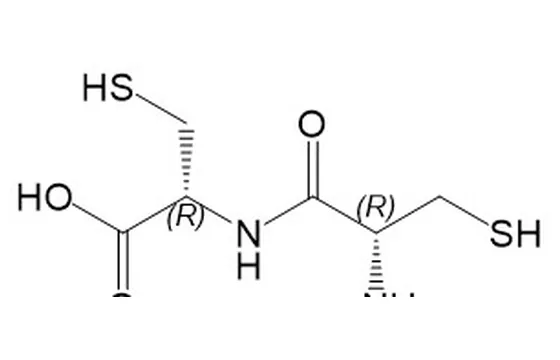
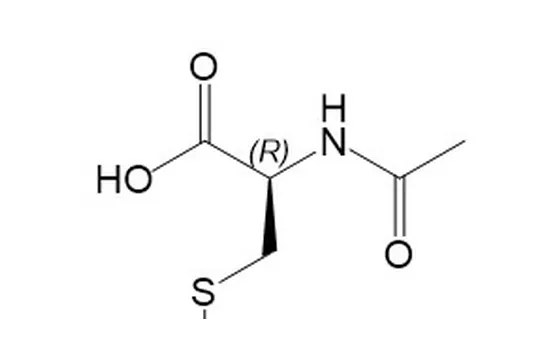
乙酰半胱氨酸↗(Acetylcysteine,NAC)是含游离巯基的黏液溶解剂,也是典型的「老药新做」品种:原料药与吸入、口服制剂申报量大,杂质谱却不简单。它的杂质多为围绕 L-半胱氨酸 / L-胱氨酸骨架衍生的同系物、立体异构体、成盐形式与氘代标记物——命名高度相似,色谱上常常挤在一起。
本目录收录该品种 310 条杂质条目(页面共 311 个条目,含母体自身),其中编号杂质 304 条,编号覆盖 1–382,另有 110 个编号暂无条目。这个体量属第一梯队,也说明:靠「逐条对着药典查」远远做不完,必须先建立自己的编号全景图。
一、310 条杂质怎么读:编号范围、缺号与覆盖度自查
页面里绝大多数条目名写作「乙酰半胱氨酸杂质 N」,N 是本目录自己的收录编号,仅供检索与订货。判断其含金量,先算三个数:
- 编号范围 1–382:系列已编到 382,但并非每号都有产品;
- 出现过的编号 272 个:1–382 中有 272 个号被收录;
- 缺号 110 个:如 21、23、27、32 及 200 号后多段空档。
覆盖度自查怎么做?把「1–382」当行号建一张清单,逐号标注:已有对照品 / 有文献报道但暂无 / 未涉及 / 不适用。填完就能看清哪些号段是密集簇(多对应一组副产物),哪些是大片空白(尚未考察的降解途径)——这张表也是与 CDE 沟通杂质谱完整性的底稿。
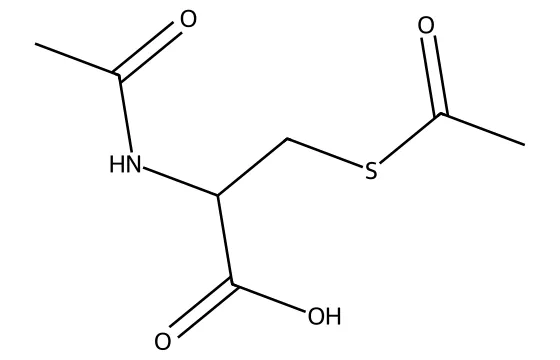
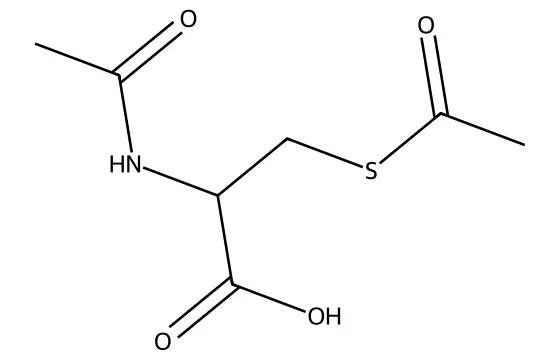
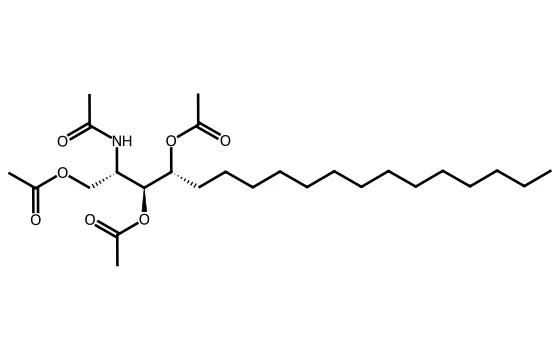
目录里另有 6 条不带编号的条目:乙酰半胱氨酸EP杂质B、乙酰半胱氨酸EP杂质C↗、四乙酰植物鞘氨醇↗、Acetylcysteine Mannitol Adduct、N-Acetylcysteine Amide↗-d3,以及下面单独说到的 N-Nitroso N-Acetylcysteine。
二、EP 收载的杂质 A/B/C/D:与目录编号并不按顺序对应
该品种被欧洲药典(EP)收载,专论用字母标出四个杂质:A、B、C、D。本目录四个都收载了,但对应的目录编号并非「A=1、B=2、C=3、D=4」顺排:
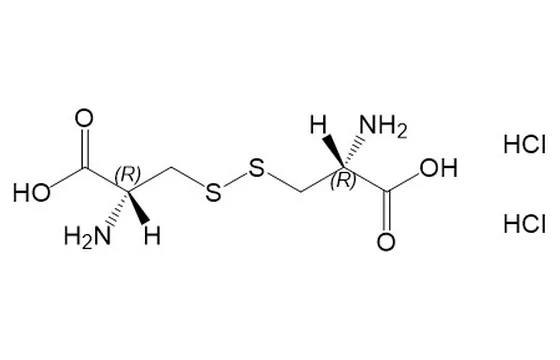
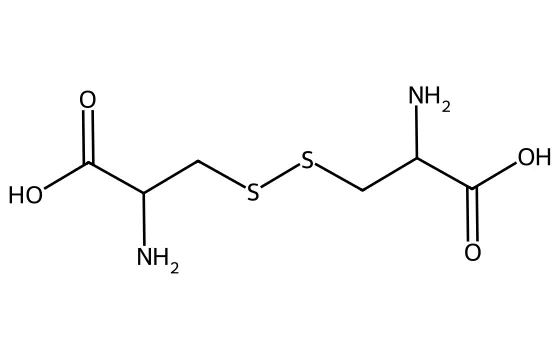
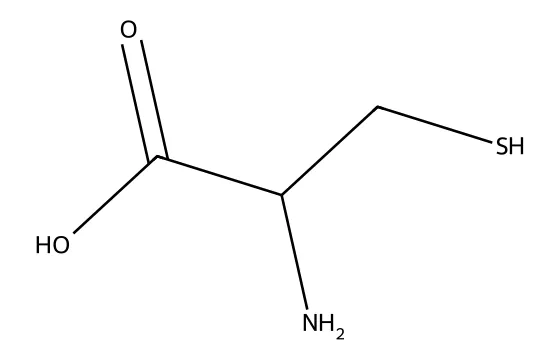
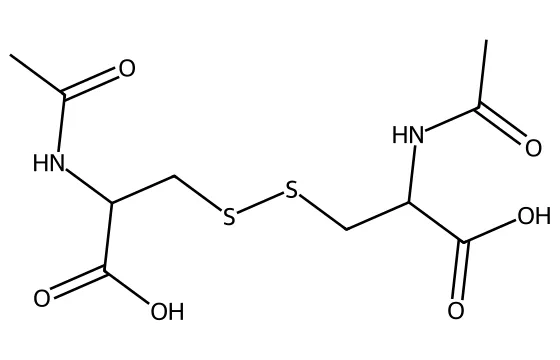
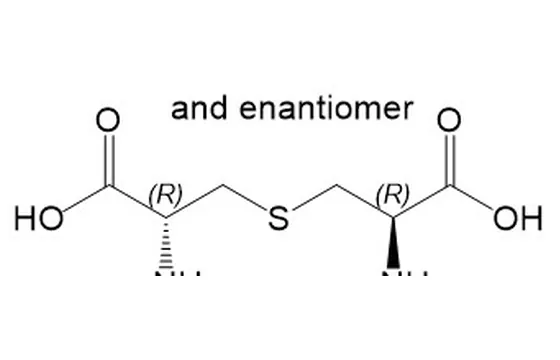
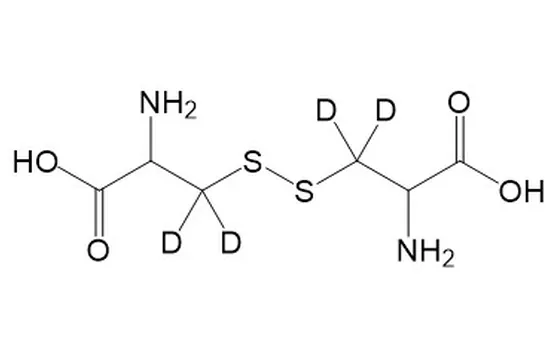
- EP 杂质 A ↔ 目录杂质 1,即 L-胱氨酸(另有双盐酸盐形式);
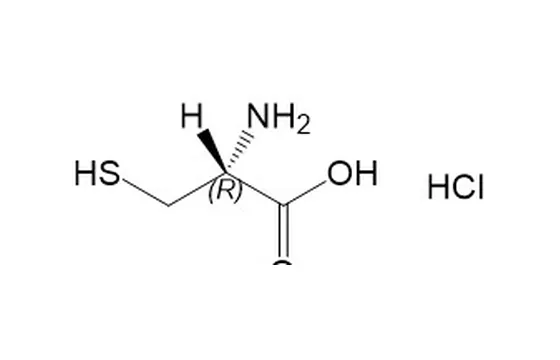
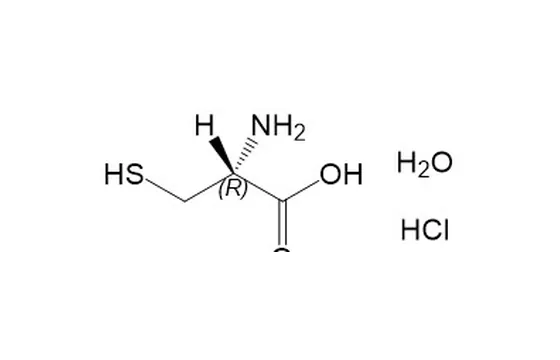
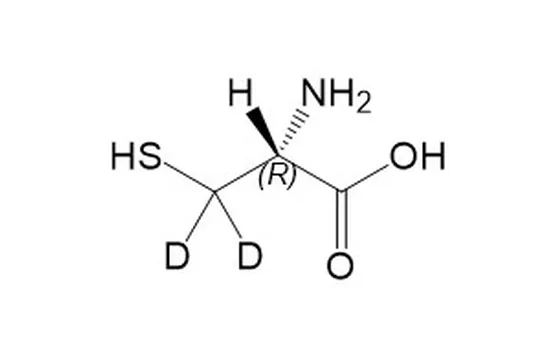
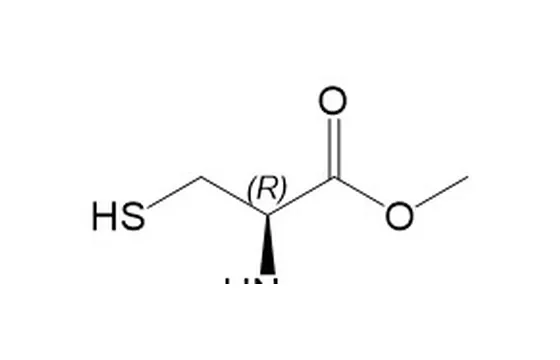
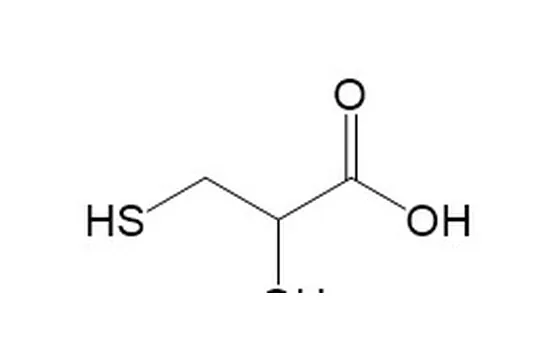
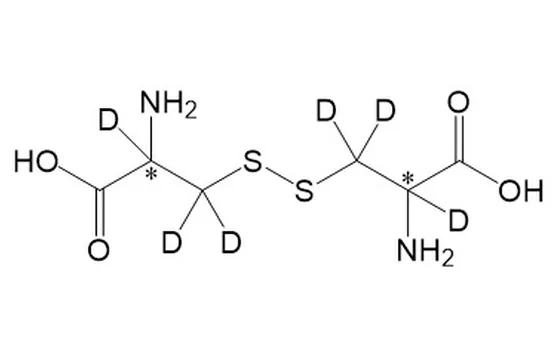
- EP 杂质 B ↔ 目录杂质 2(另有盐酸盐、盐酸盐一水合物与 d2 标记形式);
- EP 杂质 C ↔ 目录杂质 5(另有二钠盐形式);
- EP 杂质 D ↔ 目录杂质 4。
注意错位:C 落在「5」,D 落在「4」。若按「字母顺序 = 编号顺序」去找,会把杂质 4 当成 EP 杂质 C。这正是 供应商目录编号与药典编号的关系强调的问题:两套体系各自自洽、彼此不对应,跨体系引用必须写清「来源 + 编号 + 化学名 / CAS」。命名差异见 EP、USP 与中国药典的杂质对照品体系差异。
三、N-亚硝基乙酰半胱氨酸:这个品种必须单独排查的一条
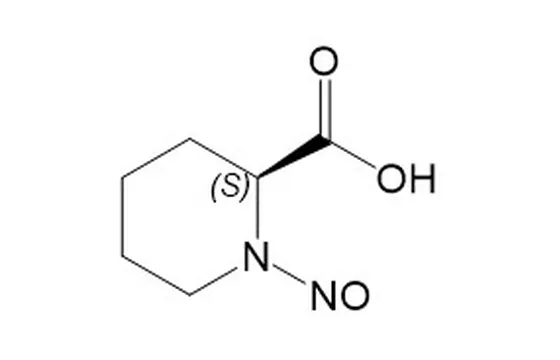
本目录带亚硝基 / N-亚硝基的条目共 3 条:N-Nitroso N-Acetylcysteine,以及编号条目中的杂质 150(N2-亚硝基乙酰半胱氨酸)与杂质 300(标注「N-亚硝基乙酰半胱氨酸杂质95↗」)。但不能因「少」就跳过。
乙酰半胱氨酸分子中的氮是乙酰化后的酰胺氮,是可发生 N-亚硝化的位点。合成、储存(尤其接触亚硝酸盐 / 氮氧化物)与辅料带入等情形,都应纳入亚硝胺风险评估。按 ICH M7 框架,需对「是否会生成、是否需要建专属方法」给出结论——即便结论是「可忽略」,也应有数据支撑。亚硝胺杂质控制全解读有更完整的梳理。
实操提示:N-亚硝基化合物挥发性与热稳定性较特殊,常规反相 HPLC-UV 未必够用;痕量控制时优先考虑 LC-MS/MS 或 GC-MS/MS,并配套对应对照品(本目录已收载)与内标。
四、成盐形式与立体异构:同一个杂质为何占好几个条目
目录里有 9 条带盐形式的条目、9 条带立体构型标记(D- / DL-)的条目。它们不是重复收录,而是对应不同场景:
- 盐酸盐 / 双盐酸盐 / 二钠盐:这类杂质游离态溶解性差、易氧化,供应商常以盐形式提供——杂质 1 有游离态与双盐酸盐两版,杂质 2 有盐酸盐与一水合物,杂质 5 有二钠盐版。
- 一水合物 vs 无水物:同一杂质的两种形态,称样与赋值必须区分,否则引入系统偏差。
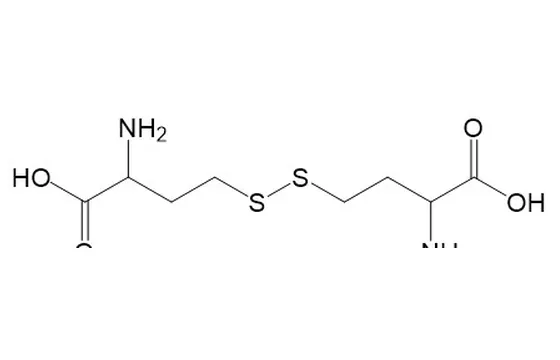
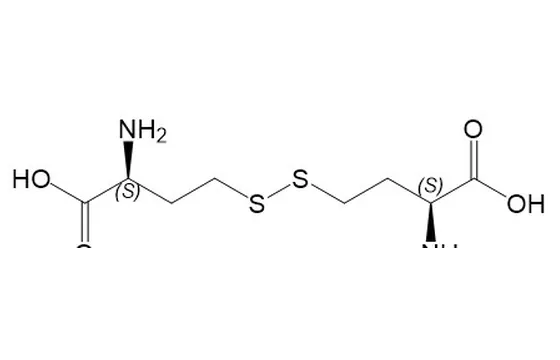
- D- / DL- 构型:杂质 49(D-半胱氨酸)、杂质 67(DL-胱氨酸)等属对映 / 非对映异构体杂质;半胱氨酸的手性中心使其 D 型异构体成为典型手性杂质。
选哪种形态取决于方法:定位优先用与专论一致的形态,稳定性研究选与样品基质相容者;选错则保留时间对不上或响应异常。延伸阅读 同一 API 不同成盐形式的杂质差异。
五、含巯基与二硫键品种的色谱难点
半胱氨酸 / 胱氨酸骨架带来两个绕不开的难题:
- 极性大、反相保留弱。水溶性强,在常规 C18 柱上保留偏前,易与溶剂峰或死体积附近干扰物重叠。可考虑离子对试剂或亲水相互作用色谱(HILIC),具体需结合目标杂质极性跨度筛选。
- 发色团弱、紫外响应低。分子内缺少强共轭发色团,紫外检测常取较低波长区,流动相本底吸收与梯度基线漂移会显著影响灵敏度,需控制流动相纯度并做好基线处理。
还有两点与「含巯基」直接相关:其一,巯基易氧化,前处理或进样中接触空气、金属离子可能生成二硫化物,使谱图「凭空多出」峰,建议加抗氧化措施并现配现用;其二,对照品纯度与形态要核对,游离巯基对照品若已部分氧化,赋值偏低会直接影响定量,建议把峰纯检查列为常规项。
六、同位素内标与申报:两个容易被忽略的细节
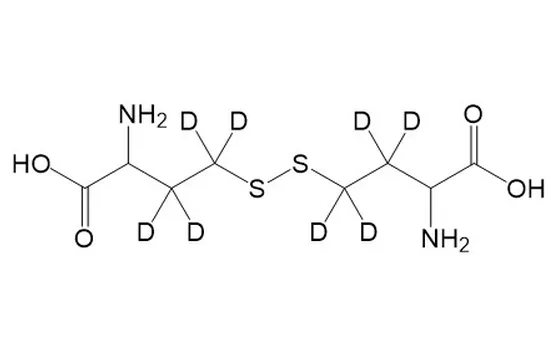
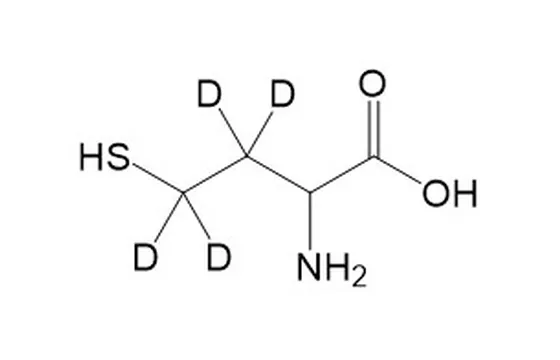
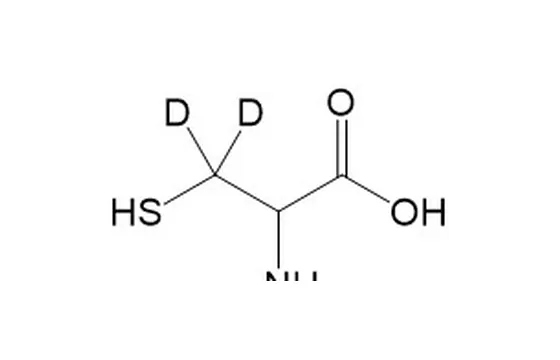
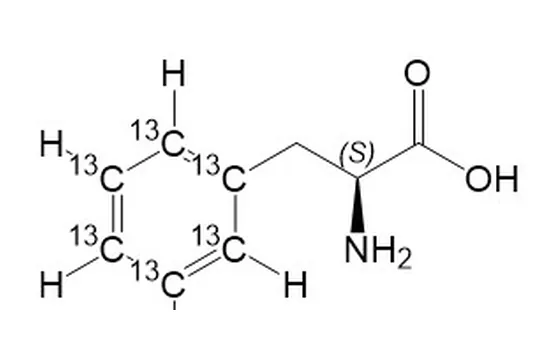
目录里有 12 条氘代或稳定同位素标记条目,如杂质 67-d4 / d6、杂质 3-13C6、杂质 218-13C3,15N。它们一般不作普通杂质对照品,而用于 LC-MS/MS 的同位素内标(痕量杂质或体内代谢物检测)与代谢 / 降解示踪。使用前应确认标记位置与纯度——位置不对会影响内标行为。
申报层面两个高频问题:其一,药典收载不等于杂质谱完整。EP 只标出 A/B/C/D 四个,本目录实际整理出 310 条,差距必须在「潜在杂质评估」中给出解释与数据,详见 药典收载与未收载杂质的对照品选用策略。其二,对照品来源与赋值链路要写清:用非药典来源时,需说明来源、纯度赋值方式与适用性论证,并保留批次信息。
同类「大杂质系列」可对照 塞普替尼(316 条)、托西尼布(291 条)及其它含硫品种 羧甲司坦、青霉胺;亦见 [按品种找对照品](按品种找对照品)、[全部产品目录](全部产品目录)。
乙酰半胱氨酸杂质对照品实务问答
目录里的「杂质 1」「杂质 382」是药典编号吗?
为什么 EP 杂质 C 对应「杂质 5」,D 却对应「杂质 4」?
N-亚硝基乙酰半胱氨酸需要单独建立方法吗?
同一个杂质为什么要分别买盐酸盐、二钠盐好几种形式?
那些 d2、d4、13C6 标记的条目是做什么用的?
编号从 1 到 382 却缺了 110 个号,说明什么?
药典已收载 EP 杂质 A–D,是否就不用研究其他杂质了?
参考资料与来源
- ICH,ICH Q3A(R2)/Q3B(R2)《新原料药/新制剂中的杂质》,访问日期 2026-10-12
- ICH,ICH M7《评估和控制药物中 DNA 反应性(致突变)杂质以限制潜在致癌风险》,访问日期 2026-10-12
- 国家药品监督管理局药品审评中心(CDE),化学药物杂质研究相关技术指导原则与问答,访问日期 2026-10-12
- 中国药典委员会,《中华人民共和国药典》通则与指导原则,访问日期 2026-10-12
- 欧洲药品管理局(EMA),药品质量与杂质控制相关指南,访问日期 2026-10-12
以上内容为 CATO 佳途技术团队原创整理,引用的法规与公开资料已在文末标注来源,仅供技术参考,不构成质量标准或法规建议;具体方法、限值与申报要求以现行法规、药典正文及官方发布为准。页面下方为该品种全部杂质对照品条目,可按 CAS 号或货号进一步检索。
Acetylcysteine — drug substance & impurities
311 items incl. the drug substance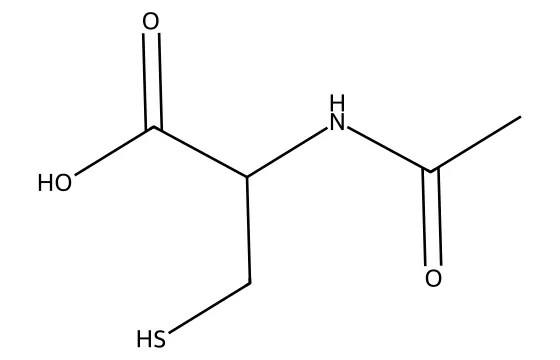
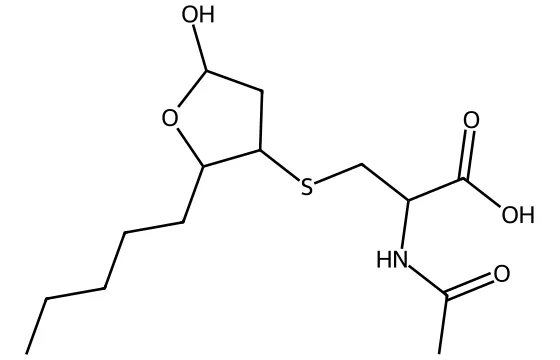
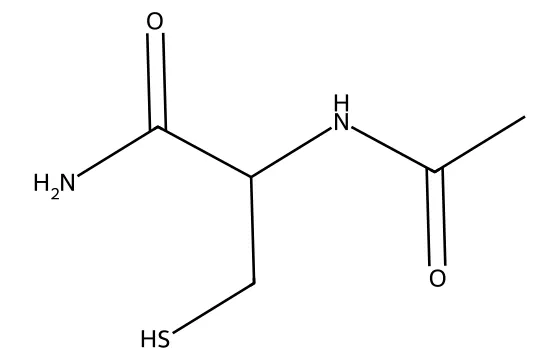
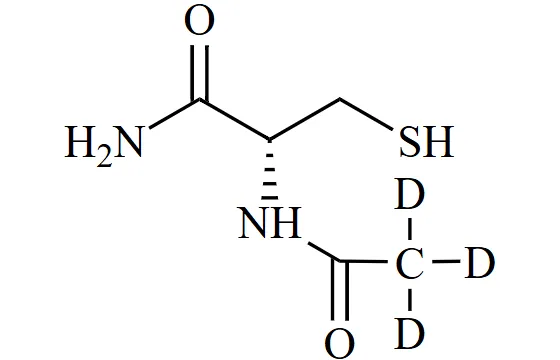
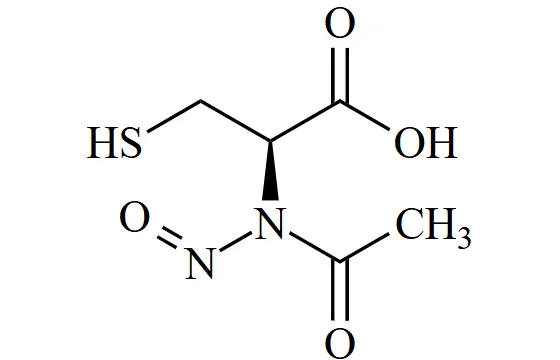
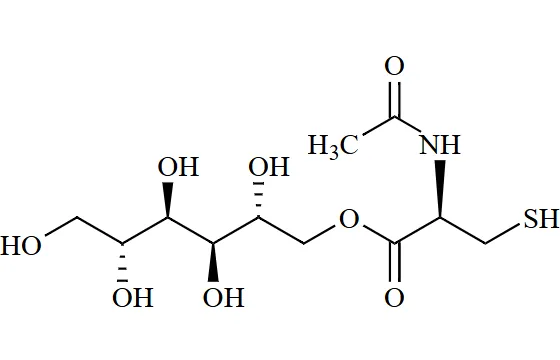
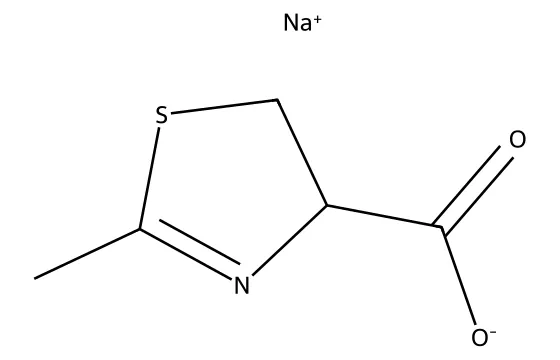
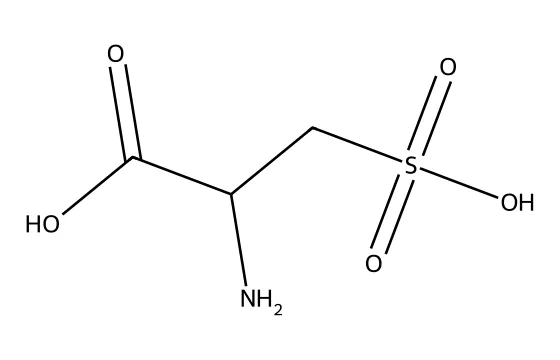
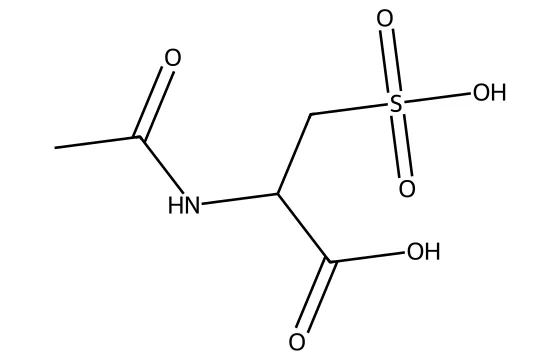
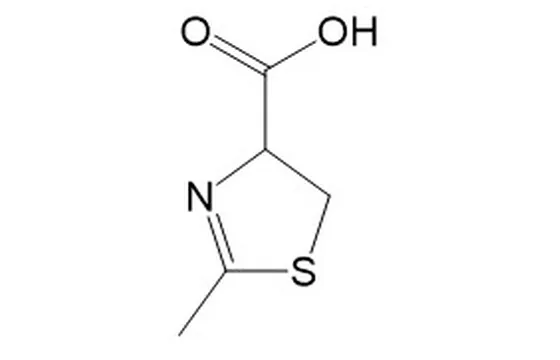
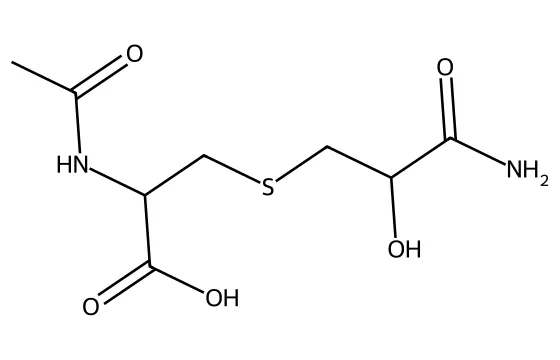
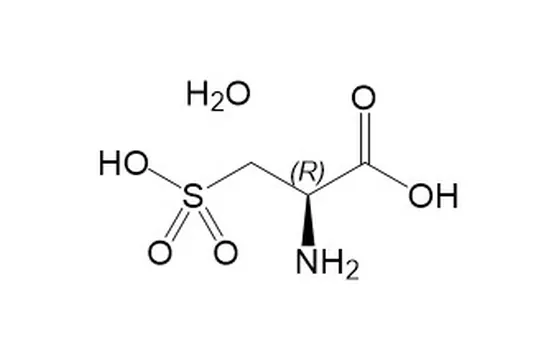
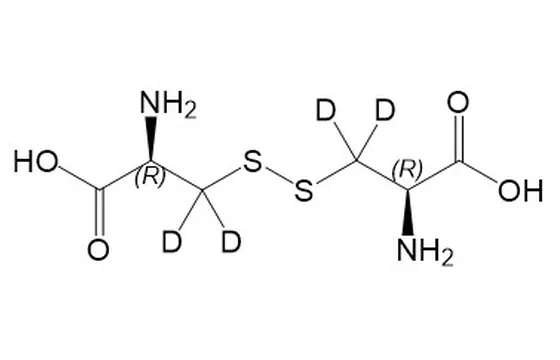
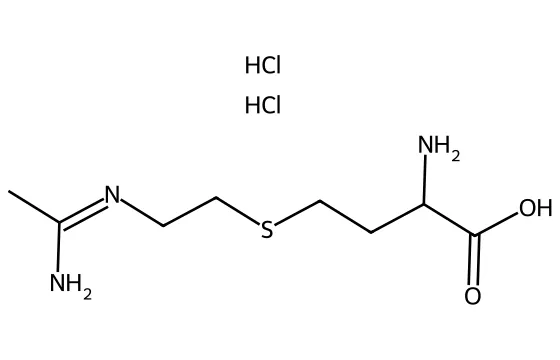
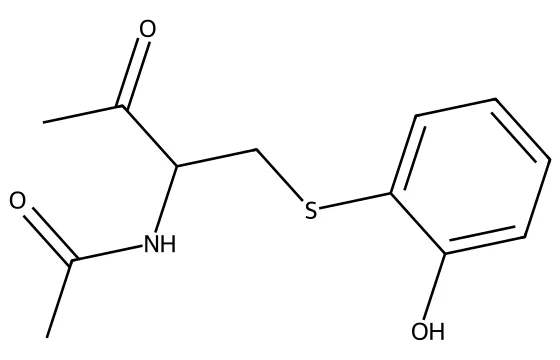
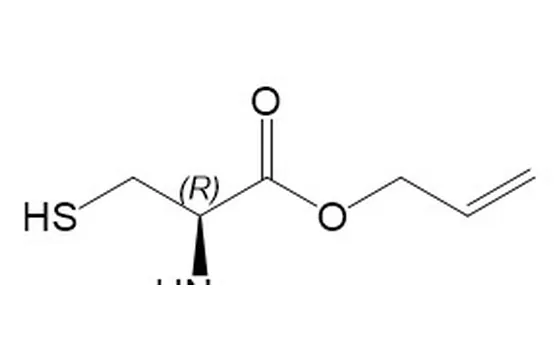
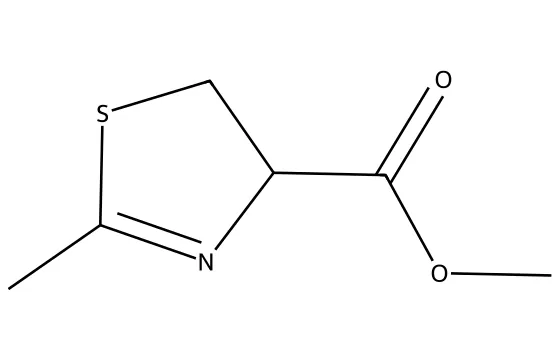
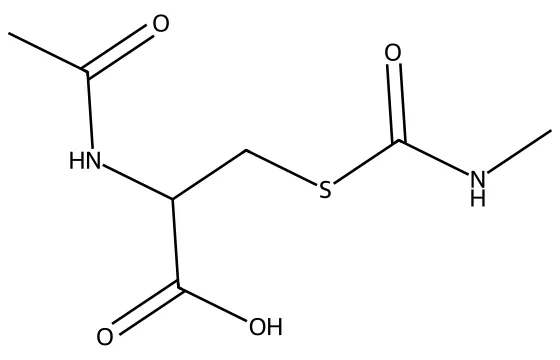
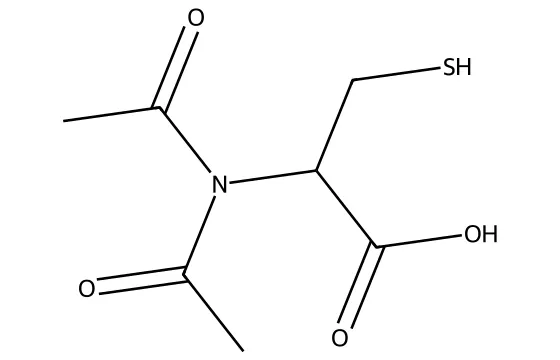
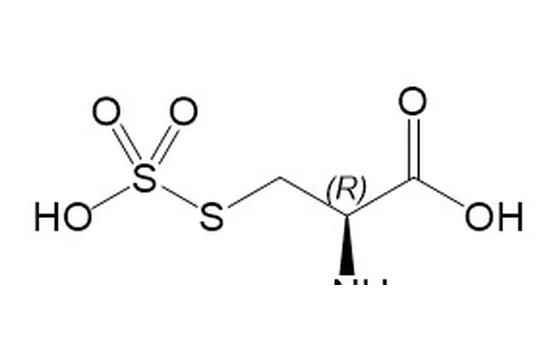
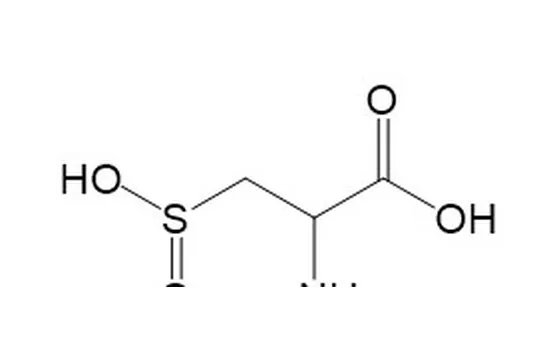
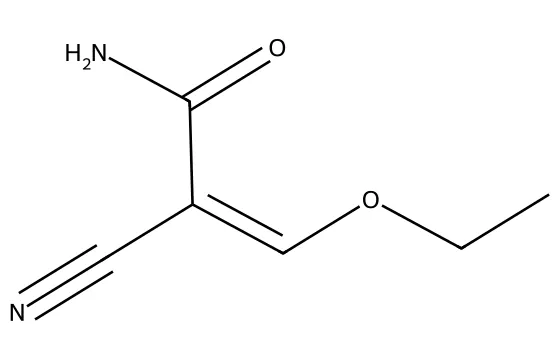
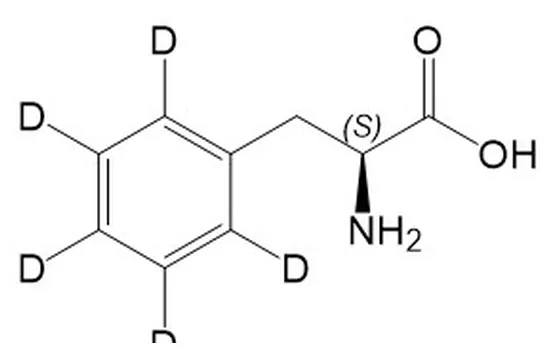
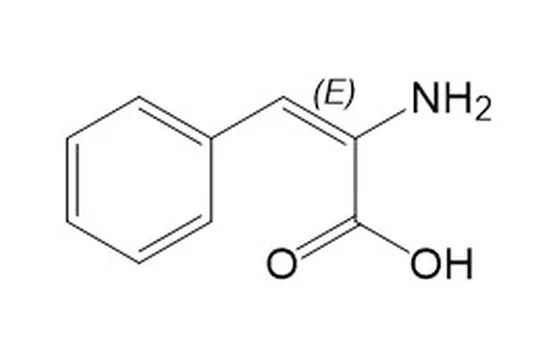
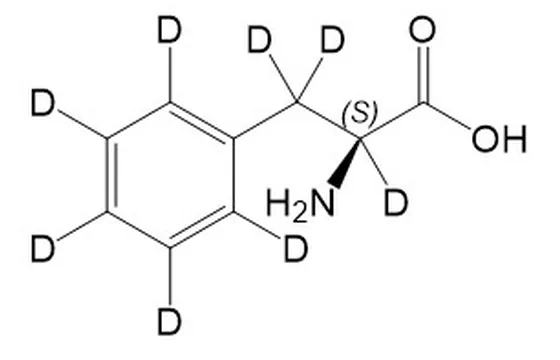
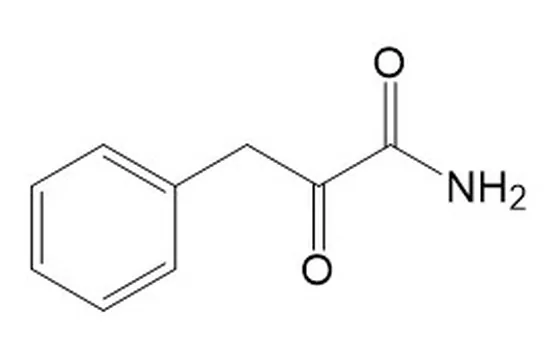
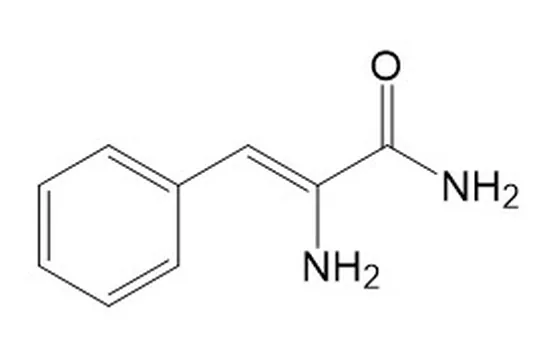
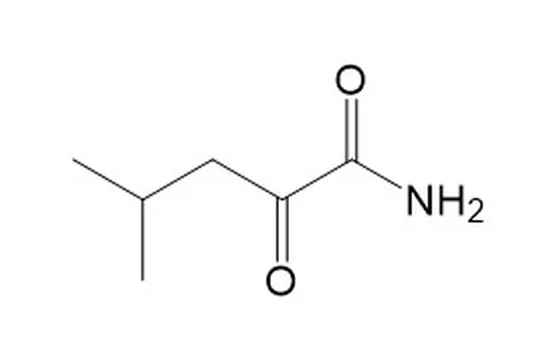
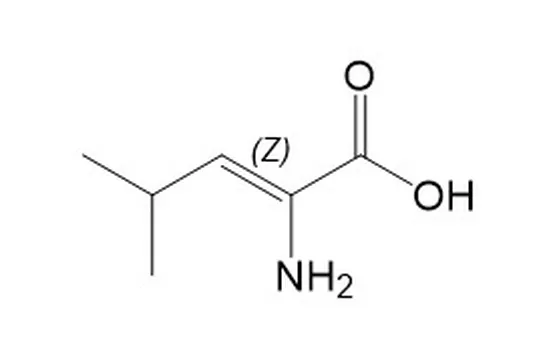
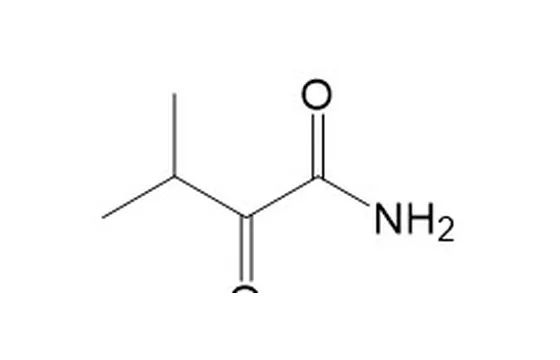
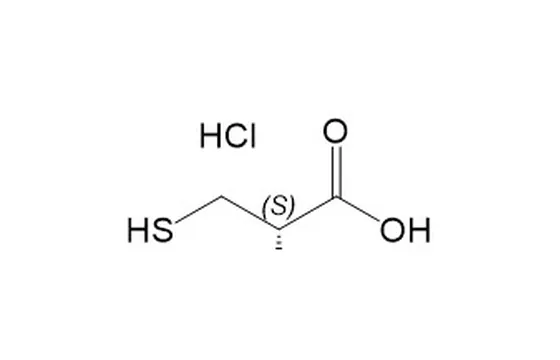
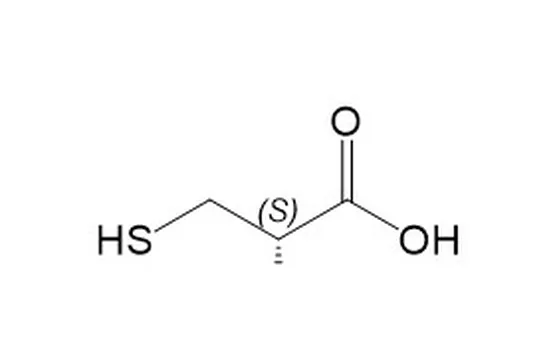
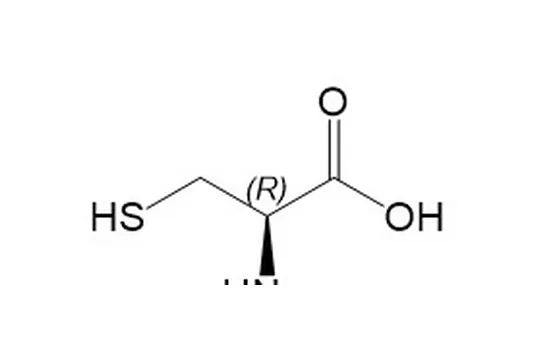
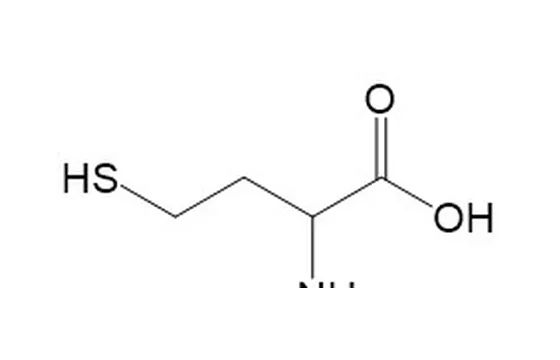
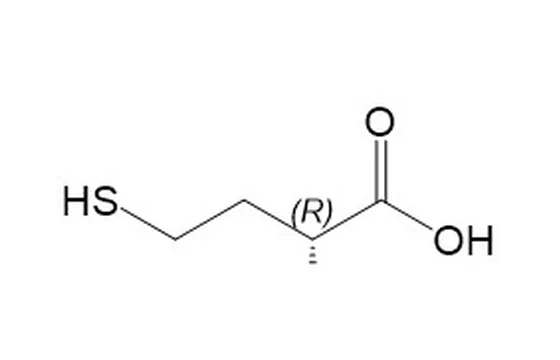
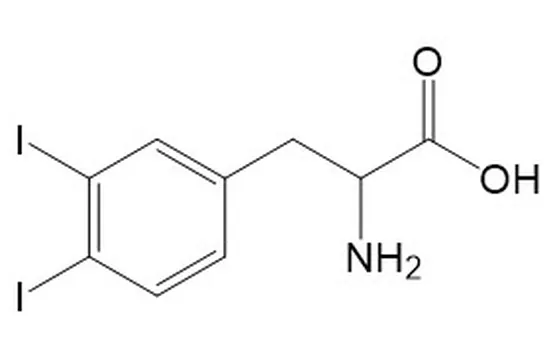
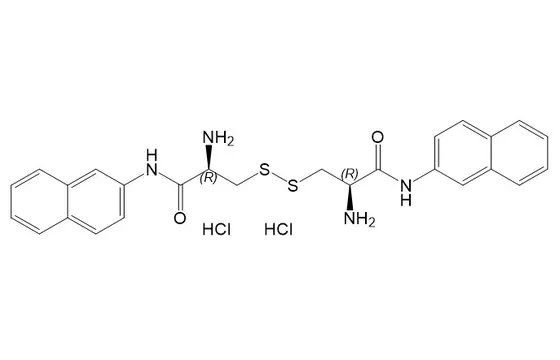
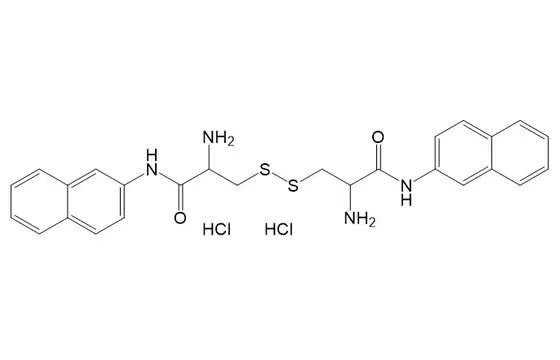
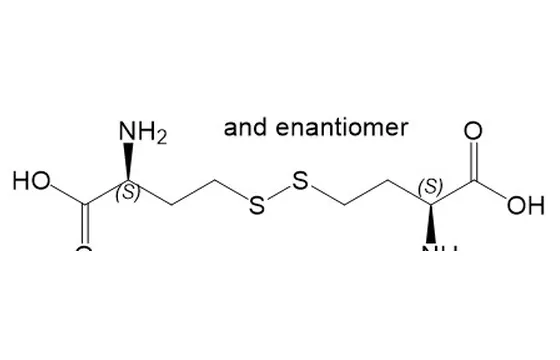
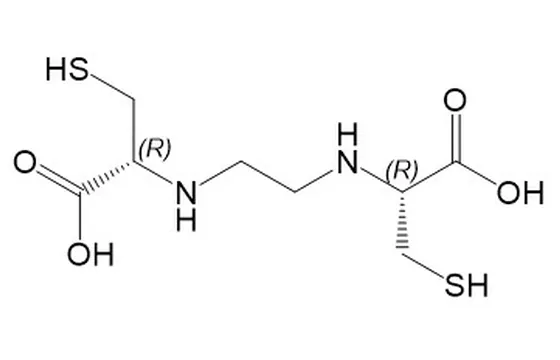
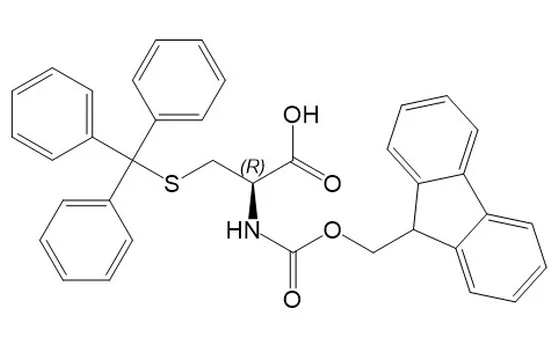
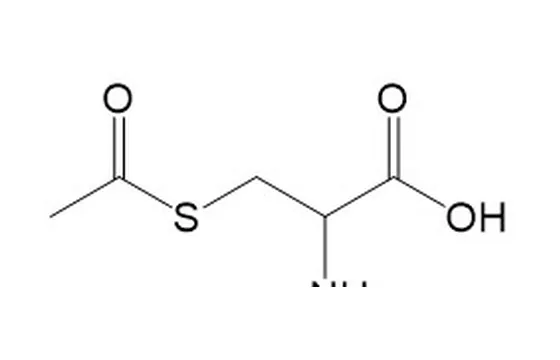
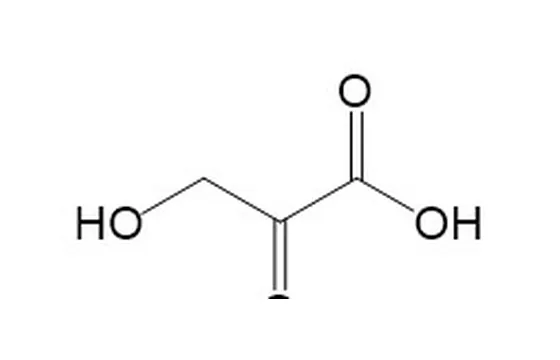
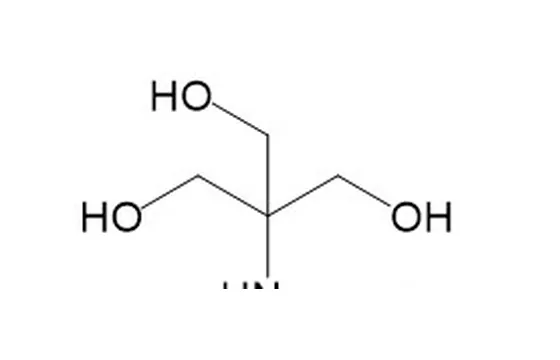
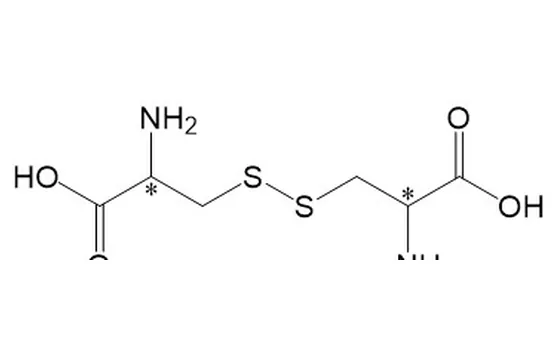
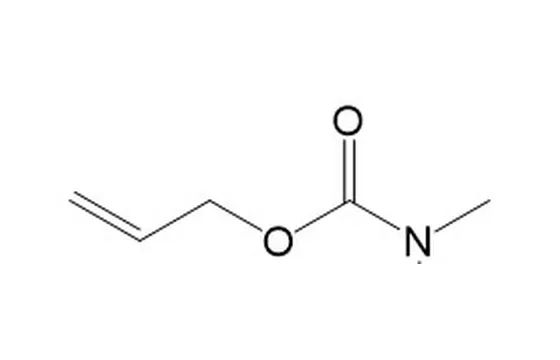
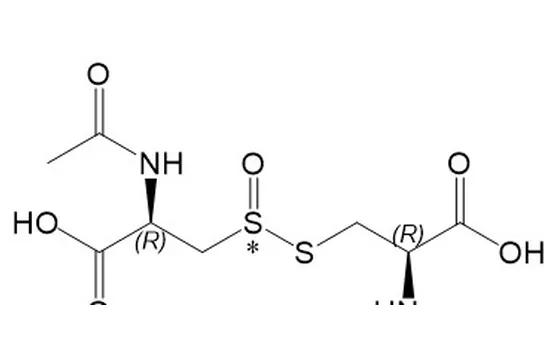
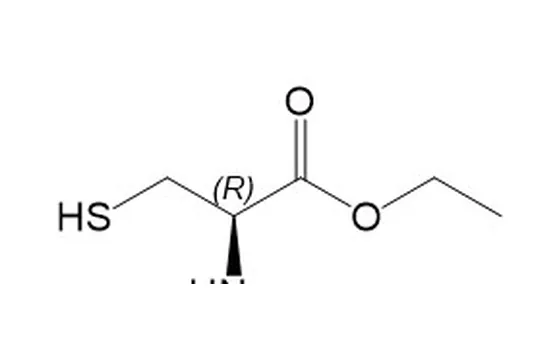
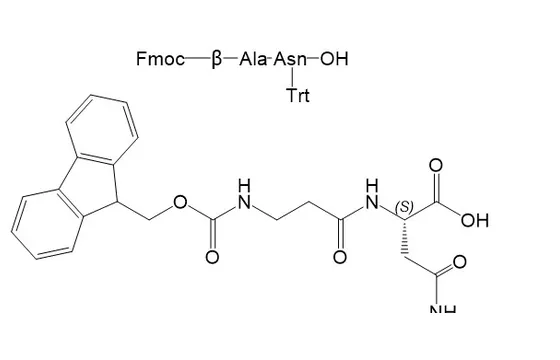
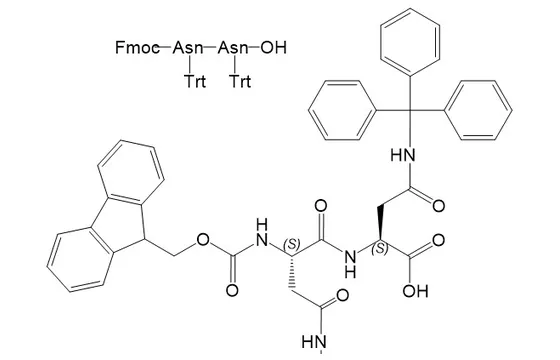
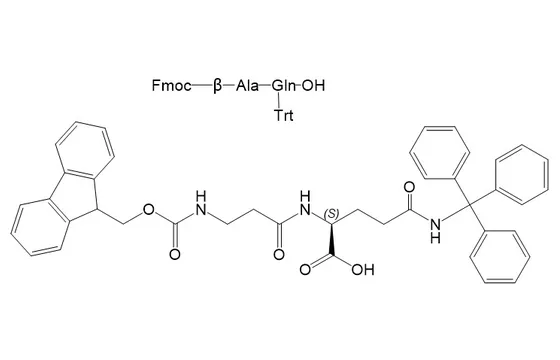
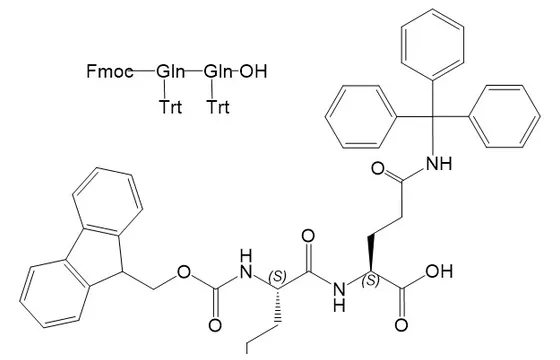
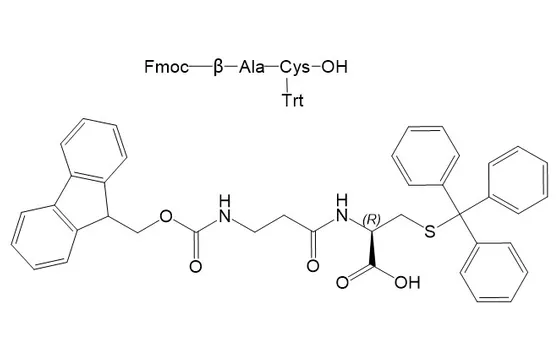
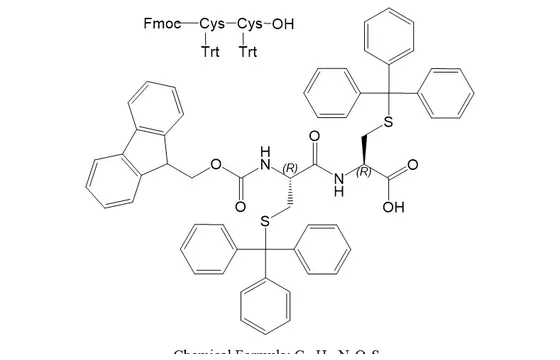
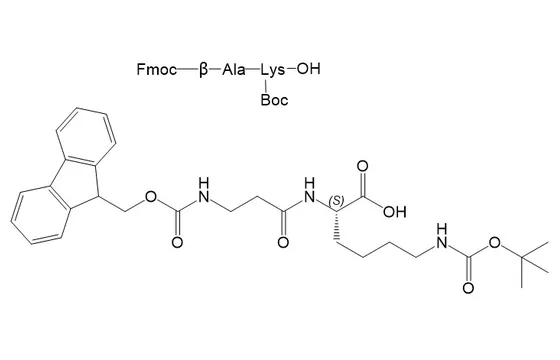
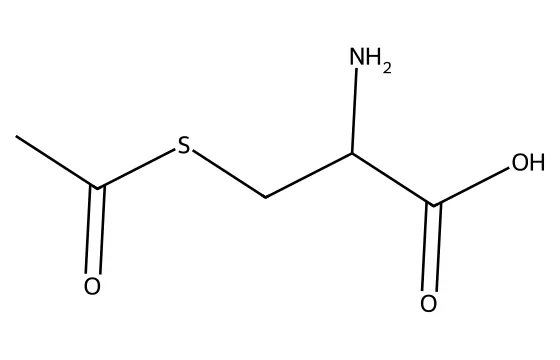
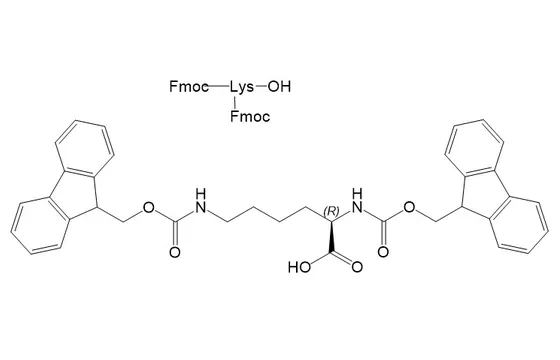
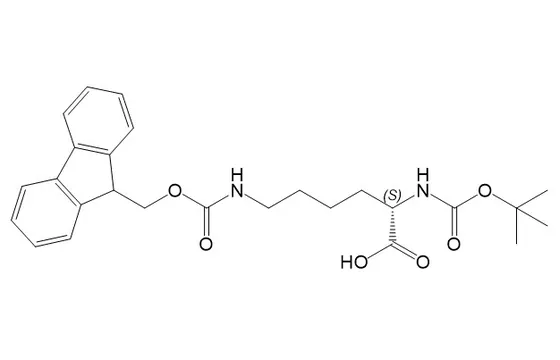
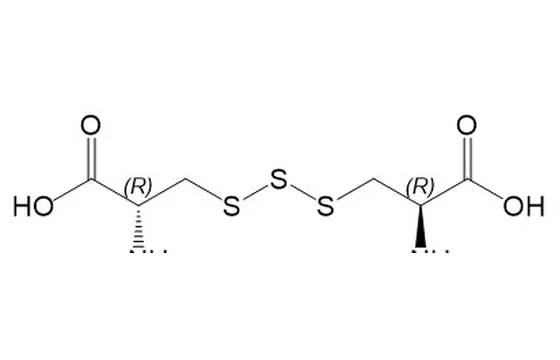
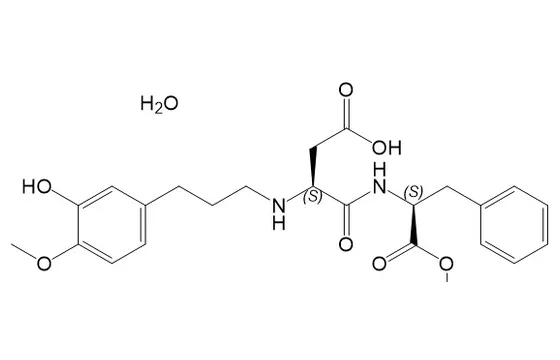
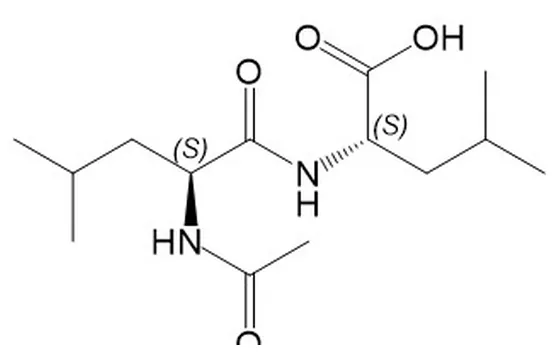
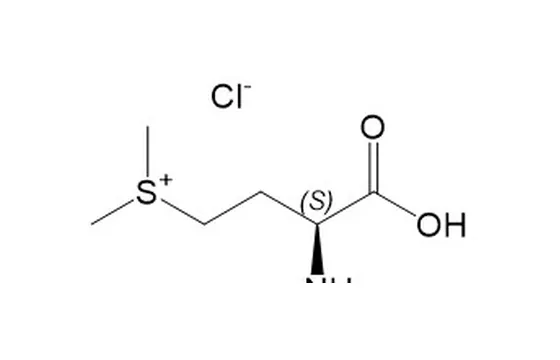
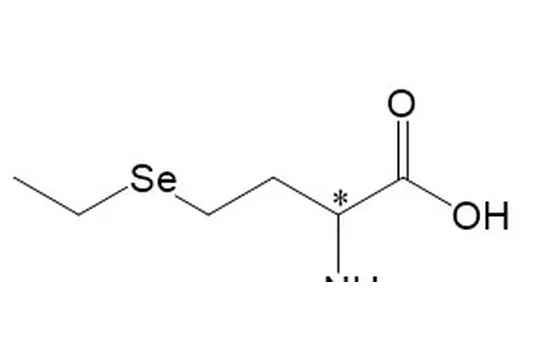
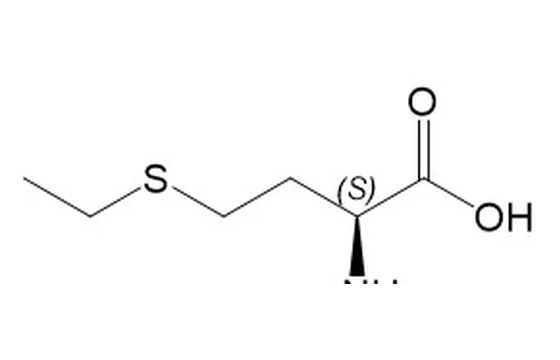
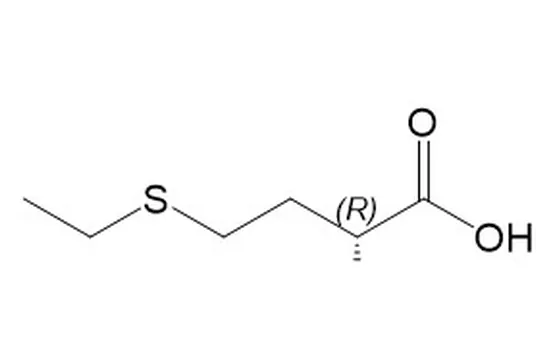
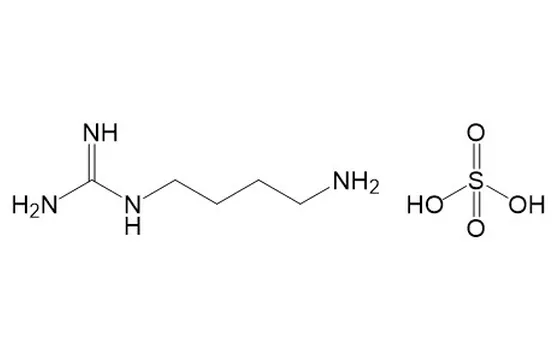
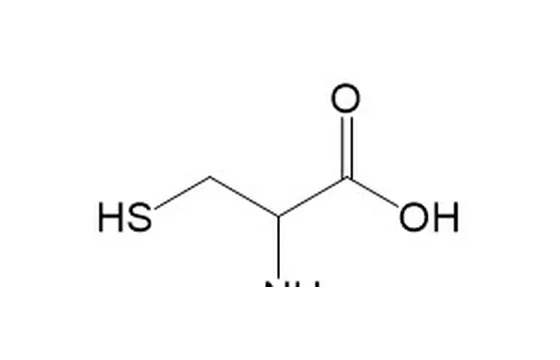
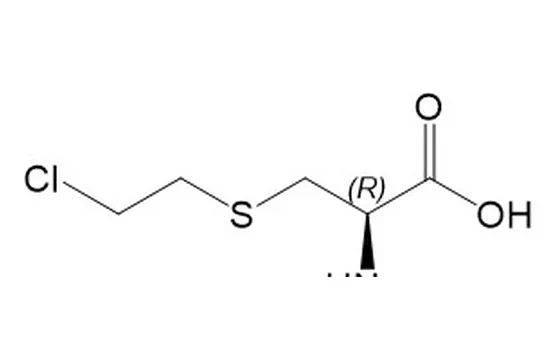
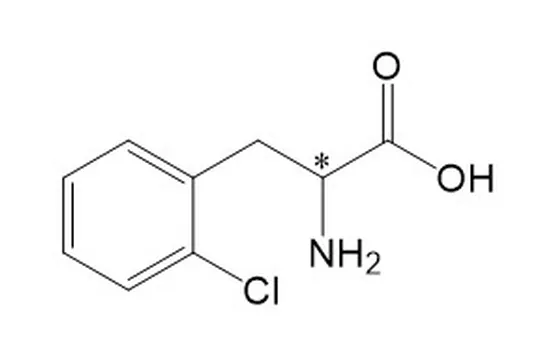
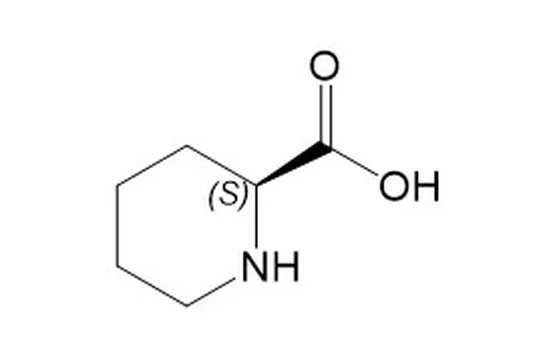
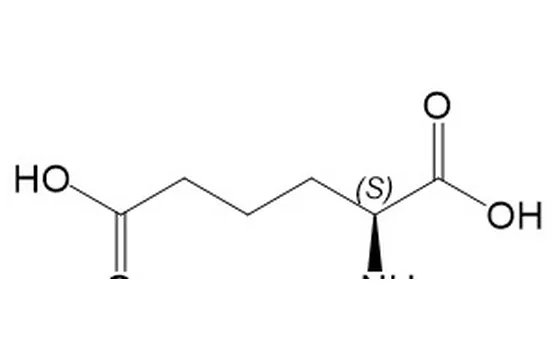
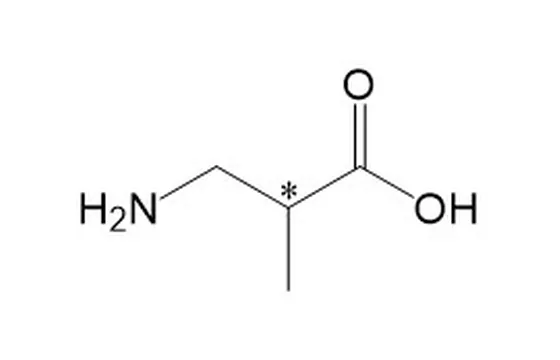
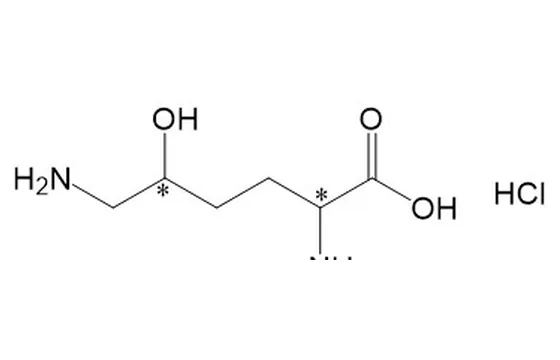
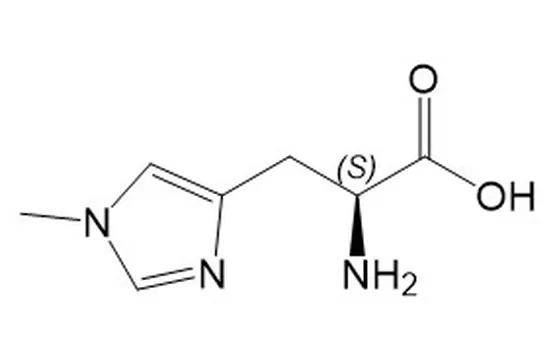
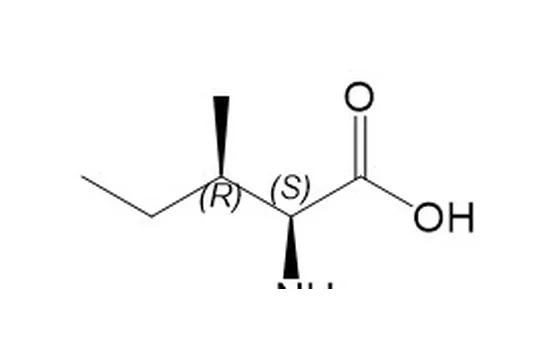
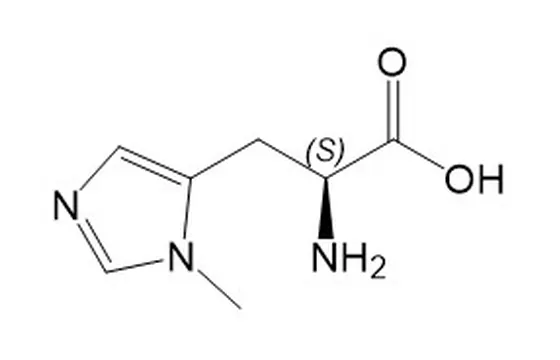
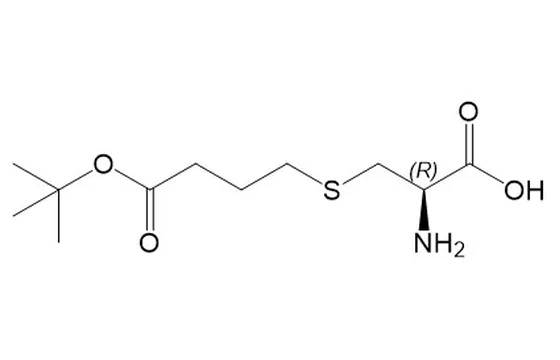
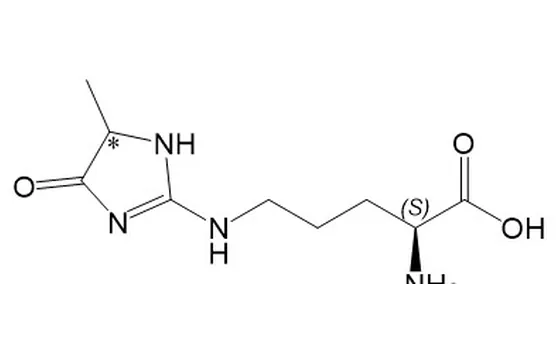
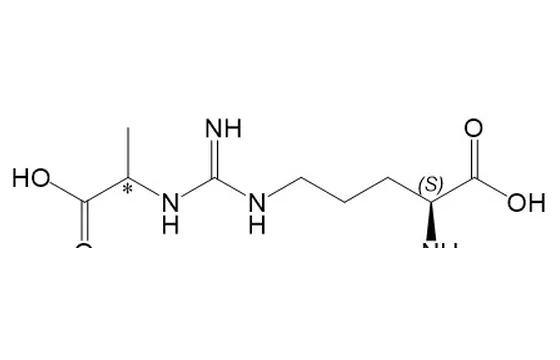
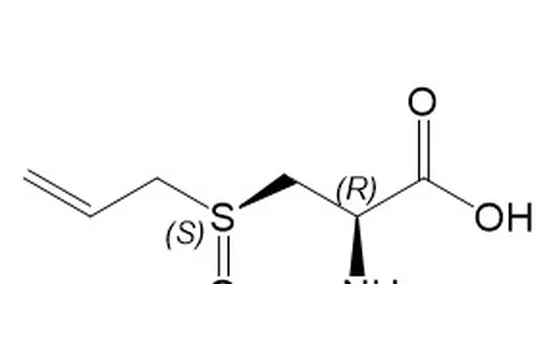
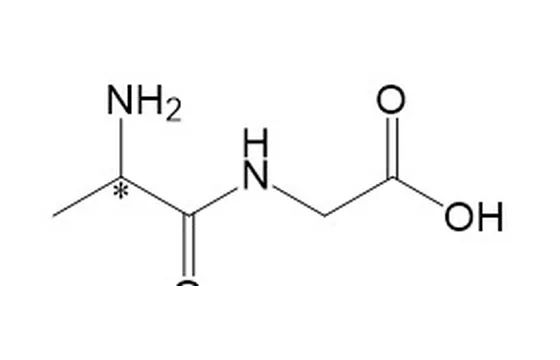
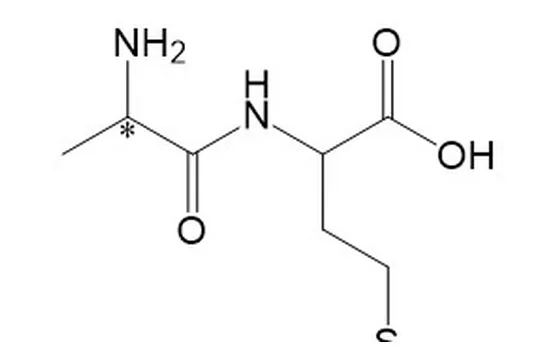
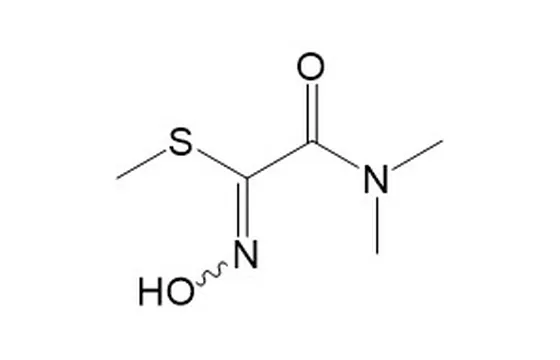
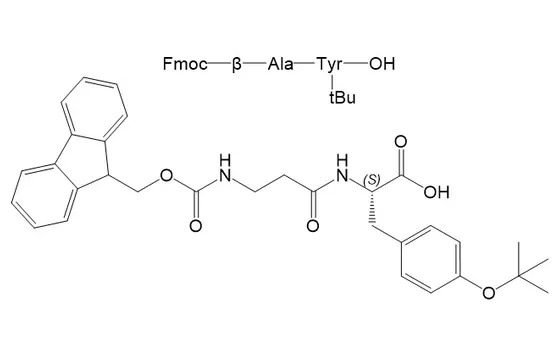
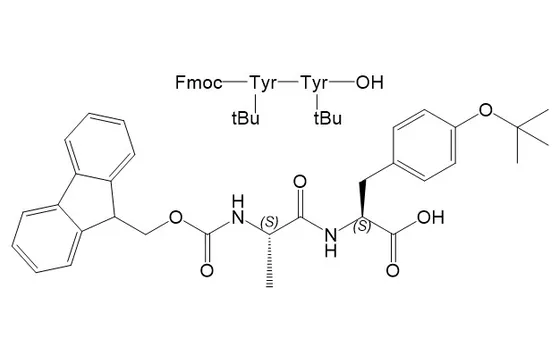
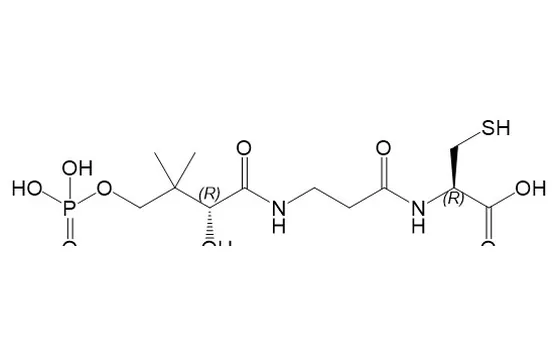
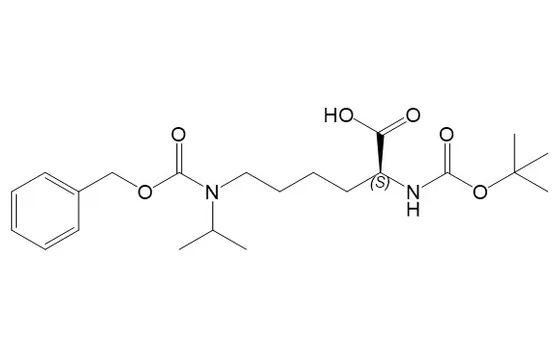
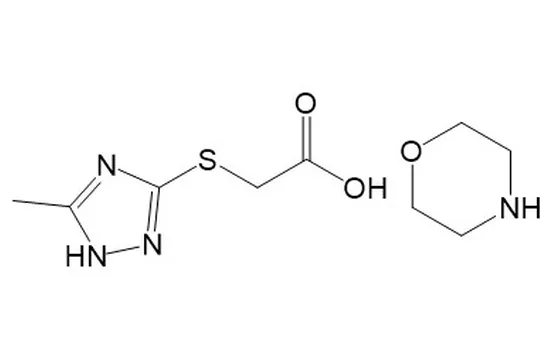
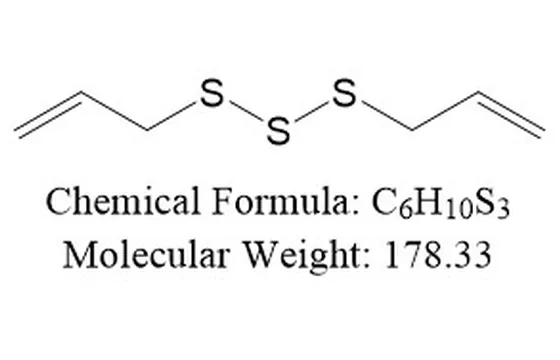
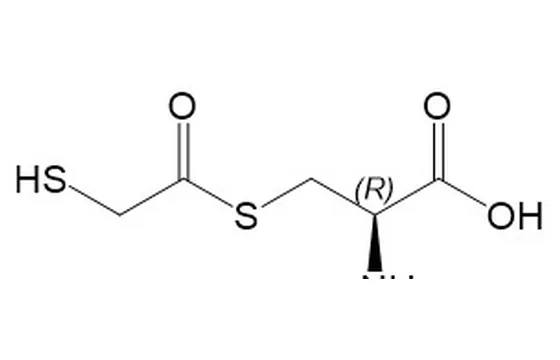
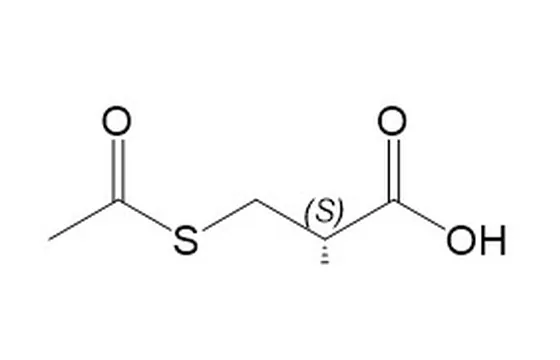
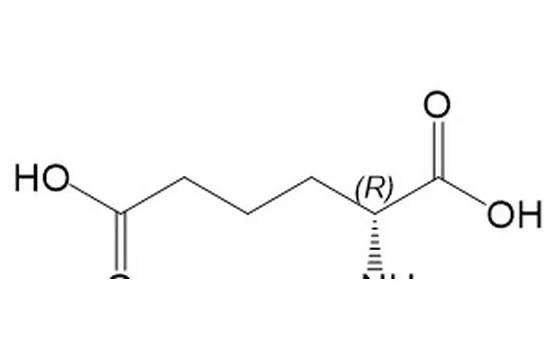
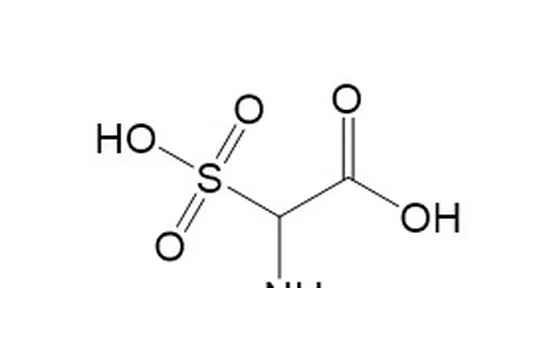
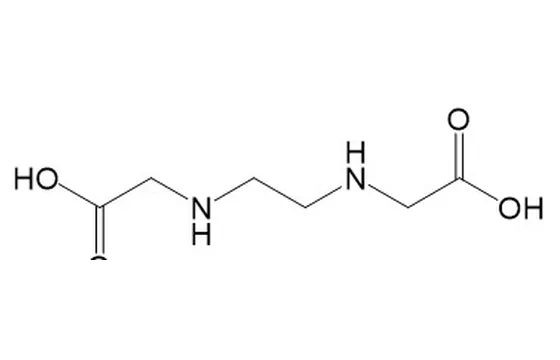
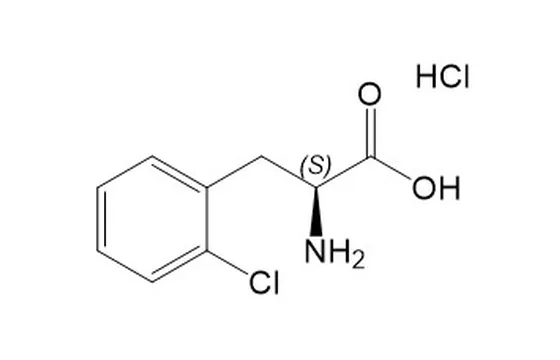
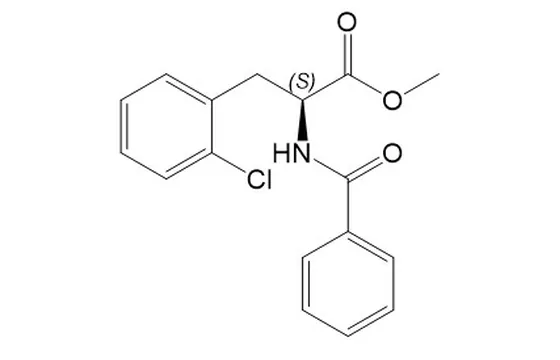
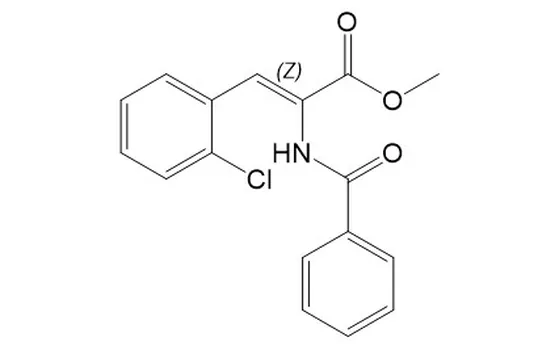
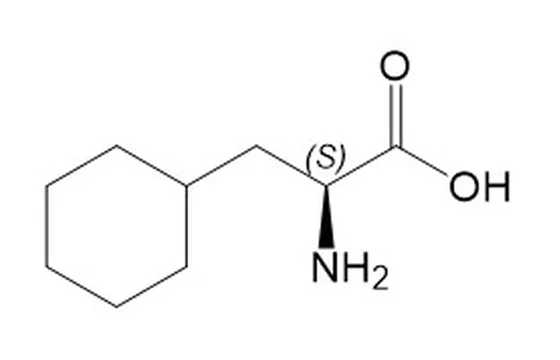
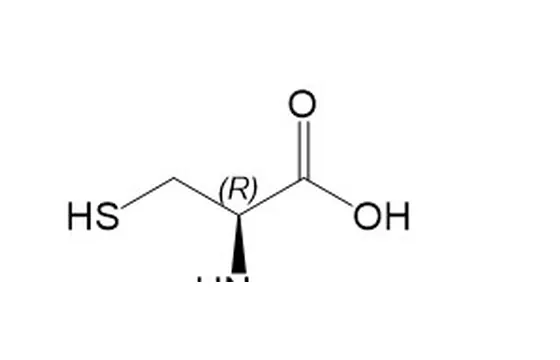
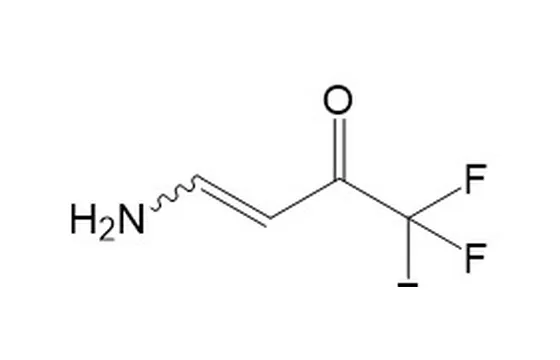
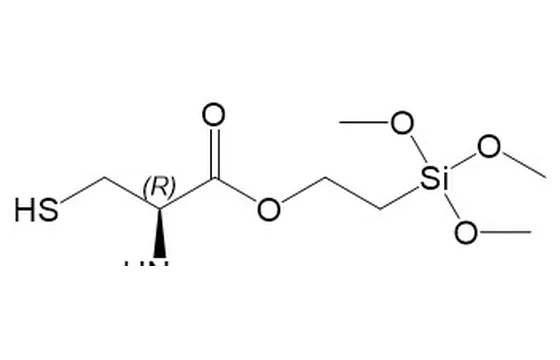
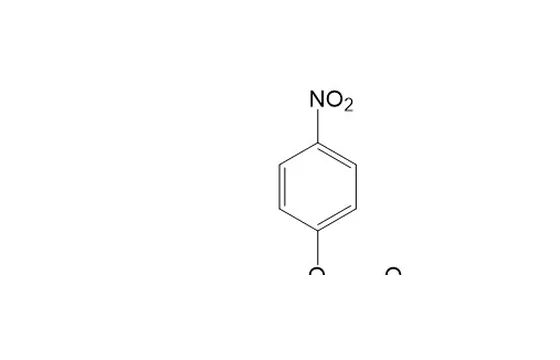
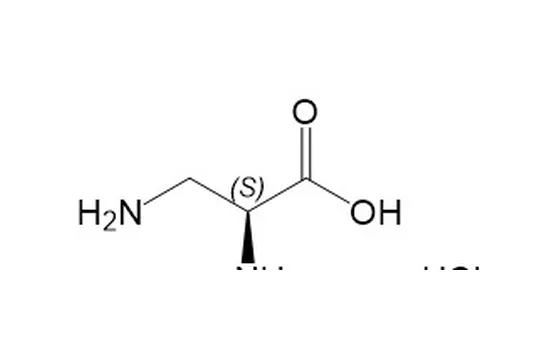
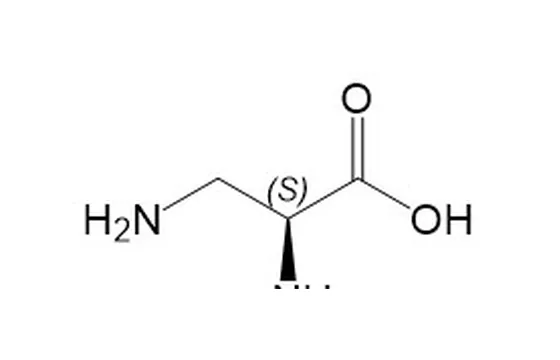
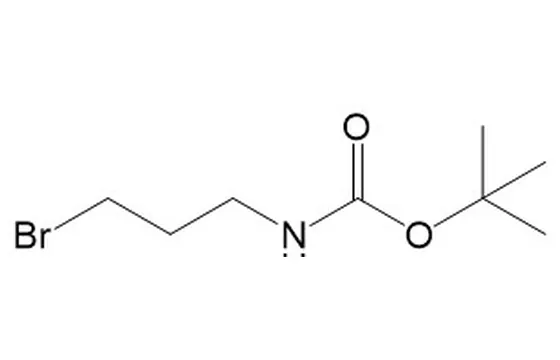
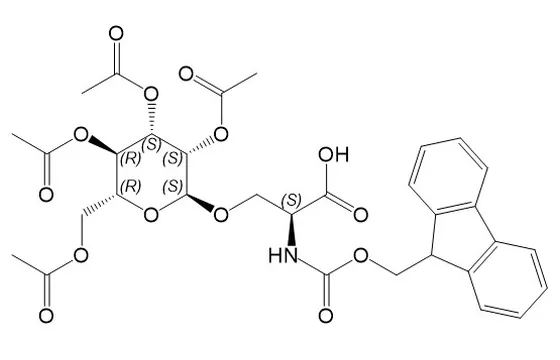
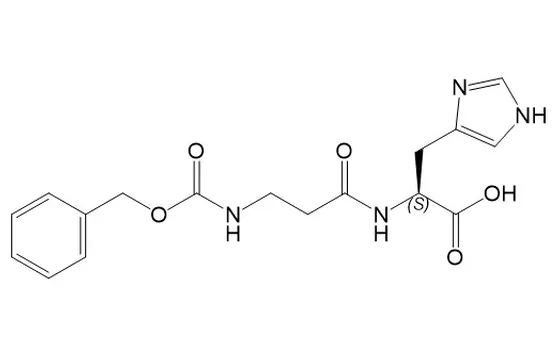
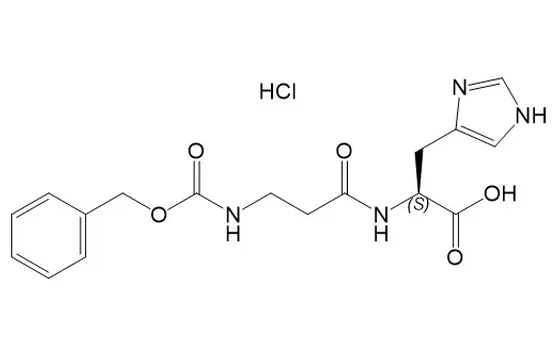
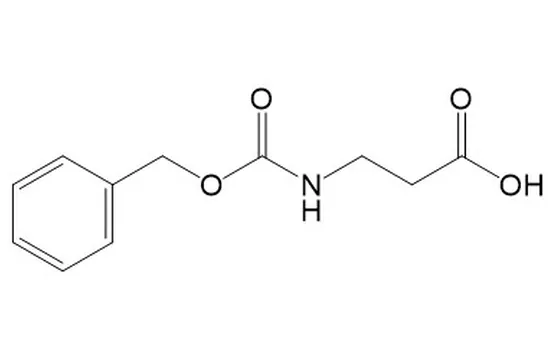
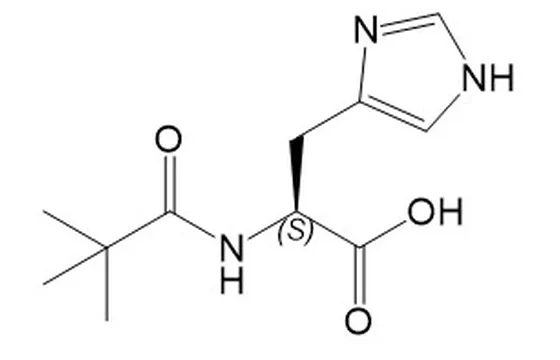
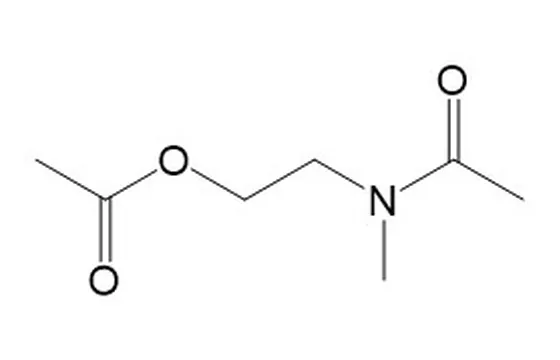
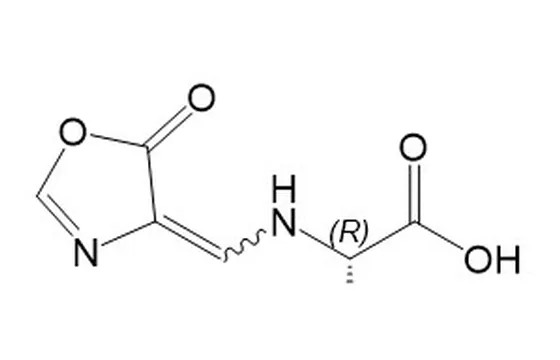
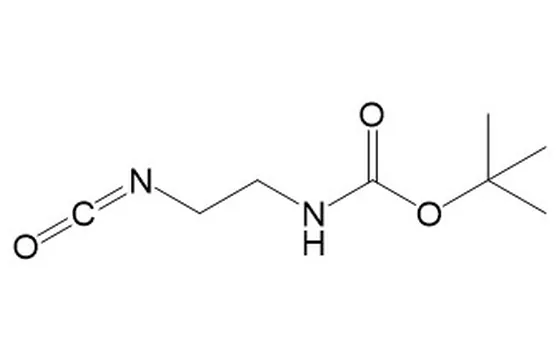
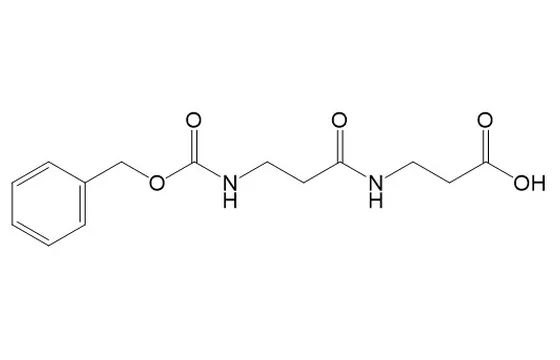
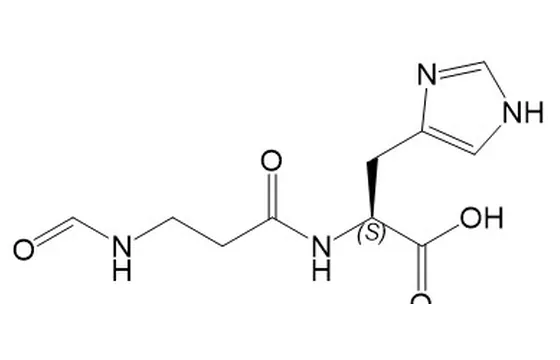
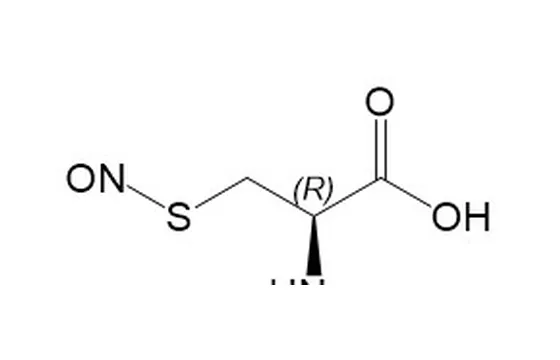
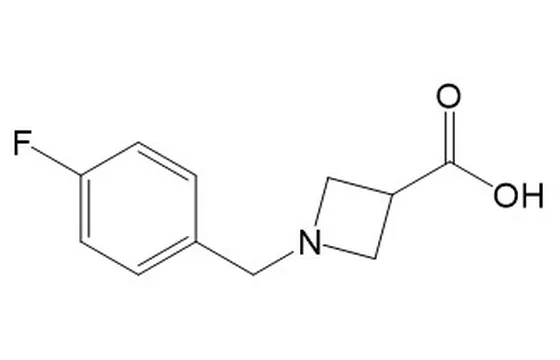
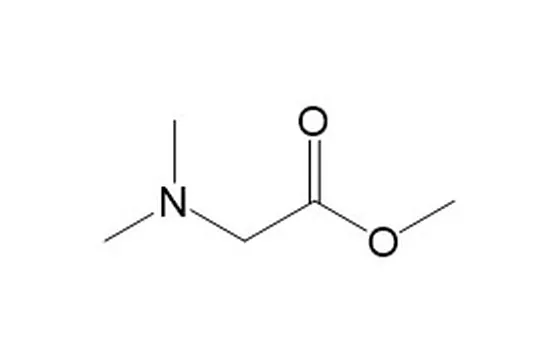
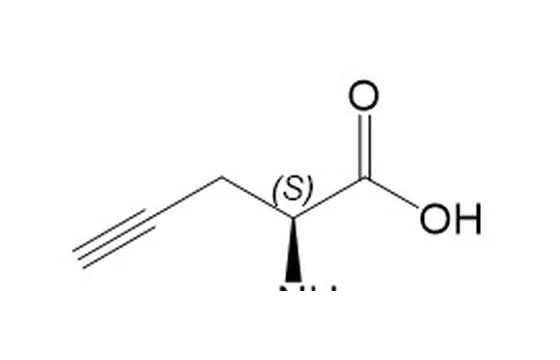
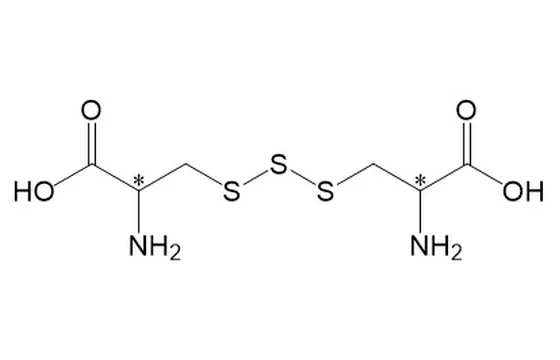
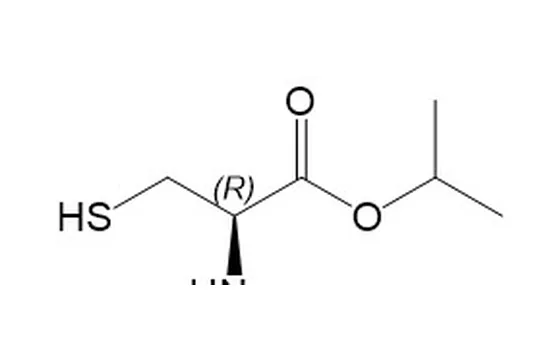
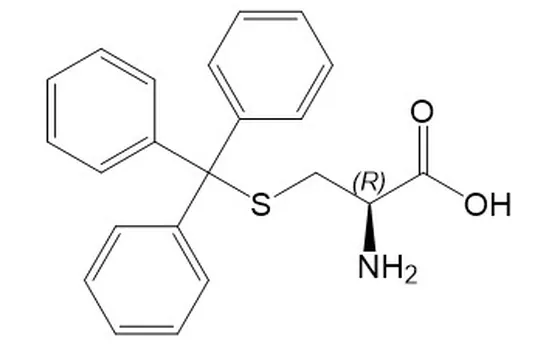
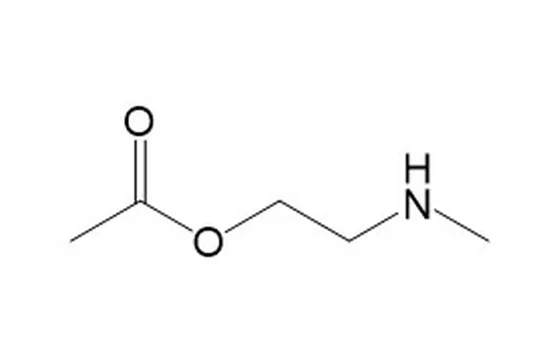
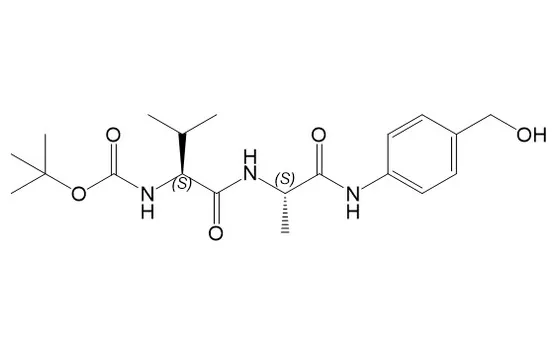
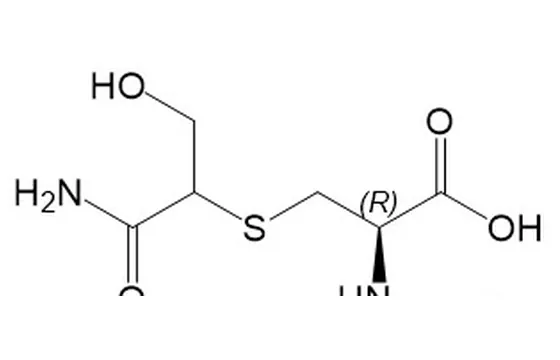
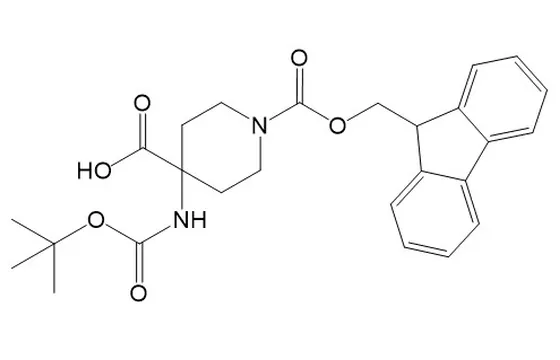
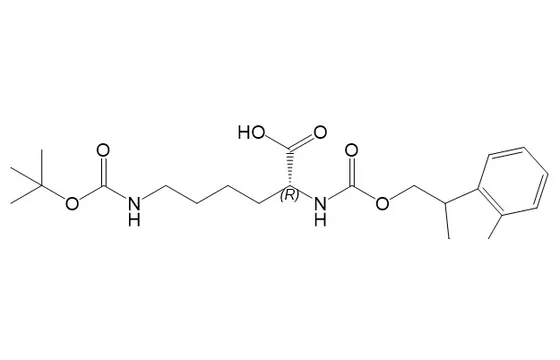
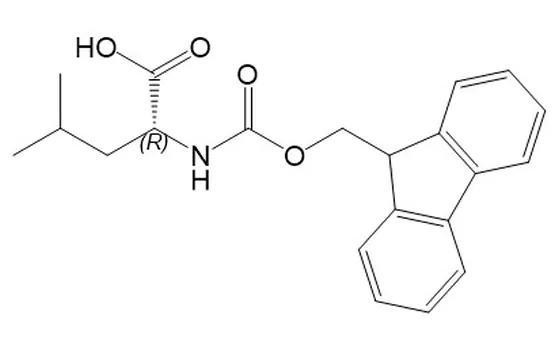
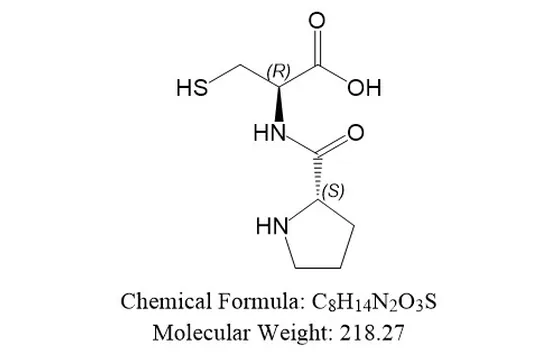
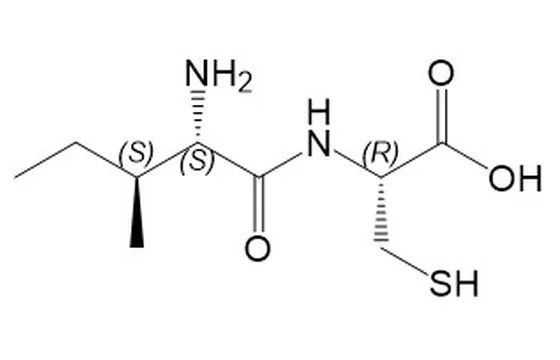
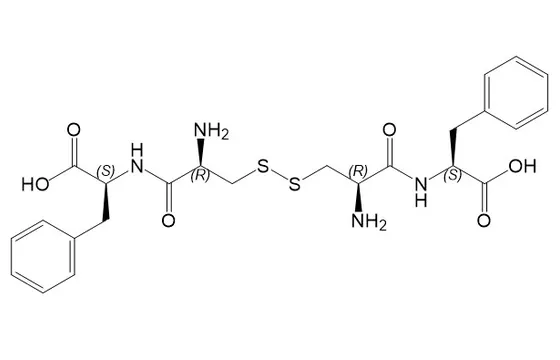
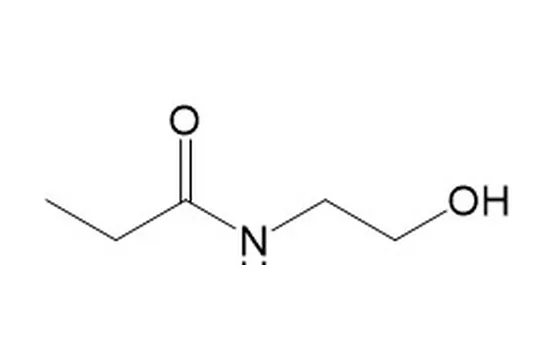
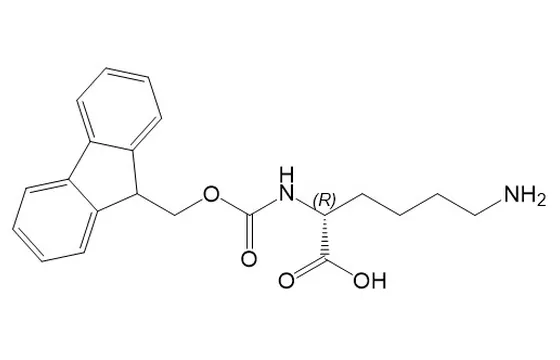
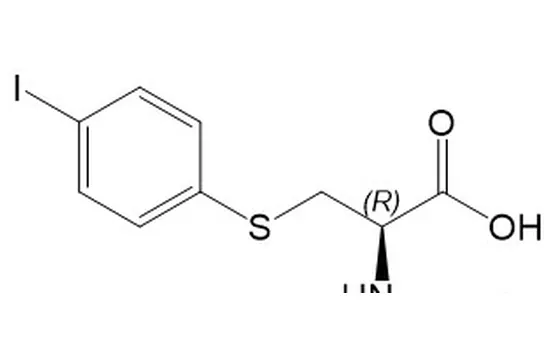
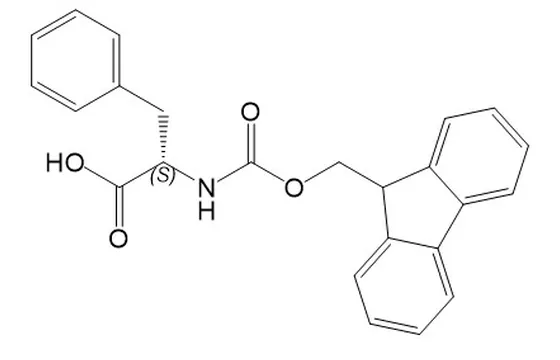
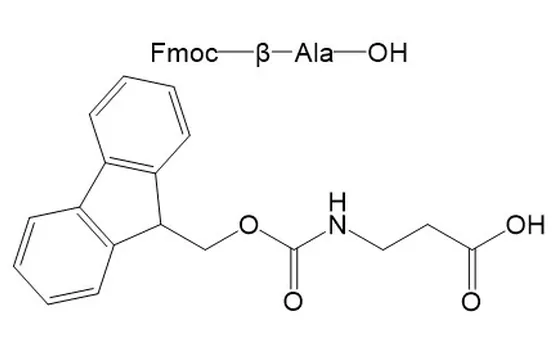
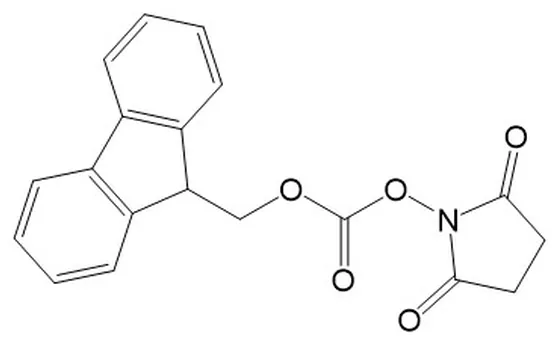
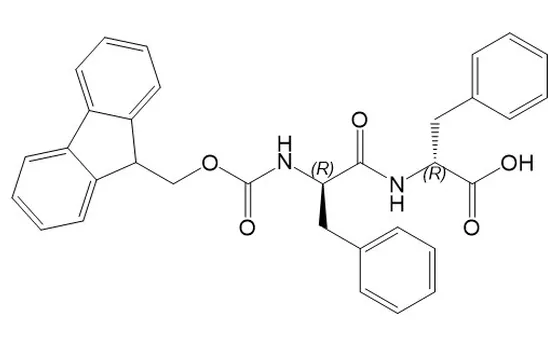
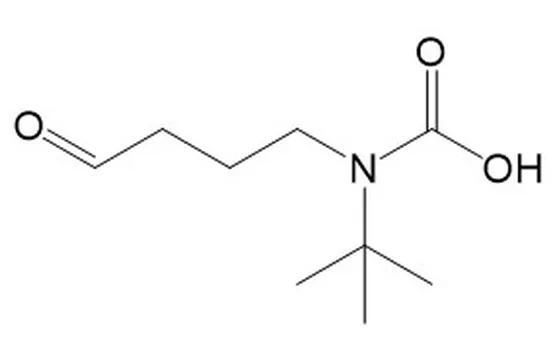
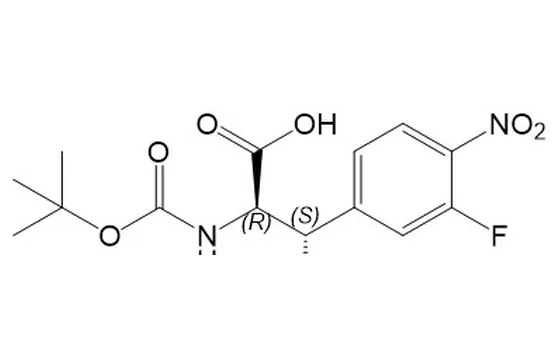
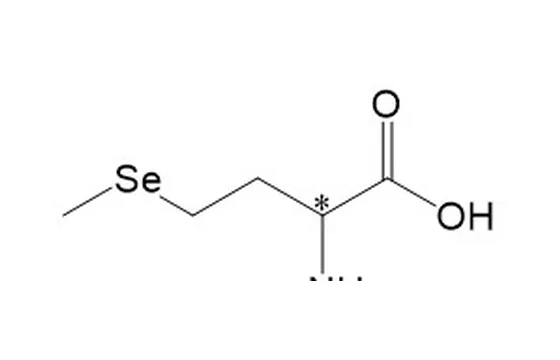
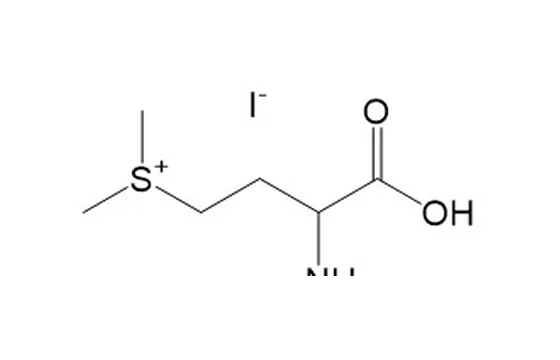
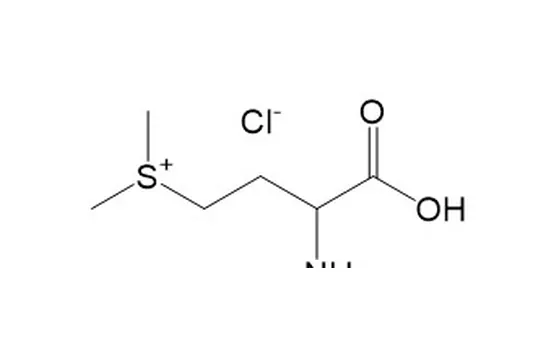
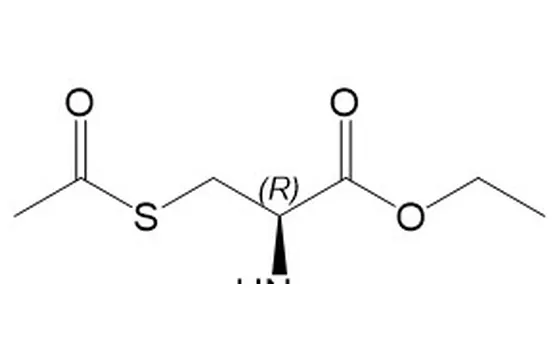
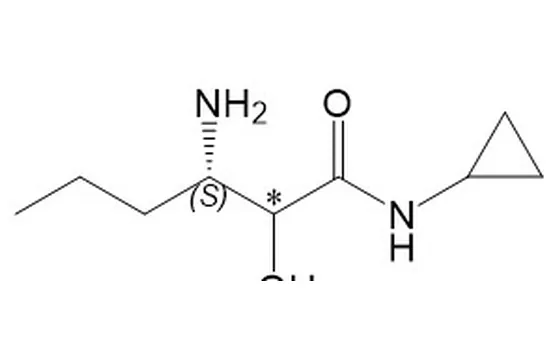
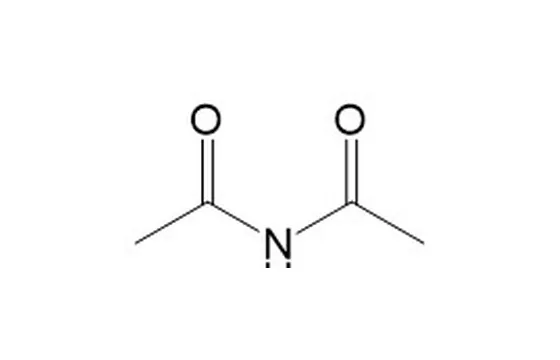
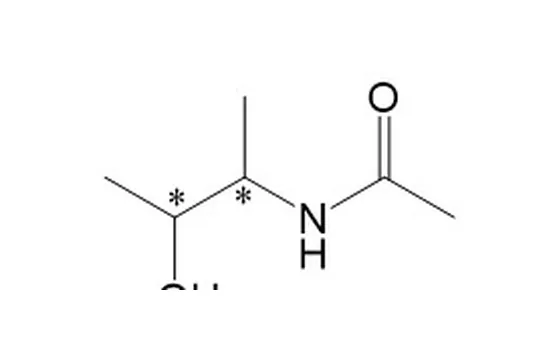
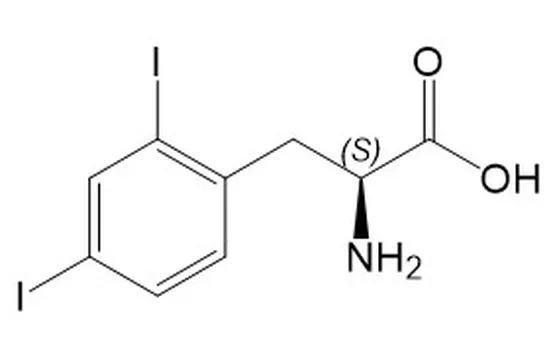
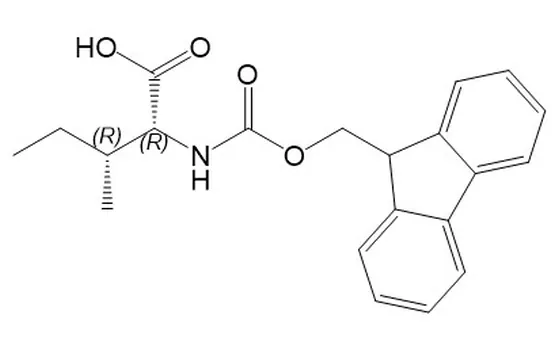
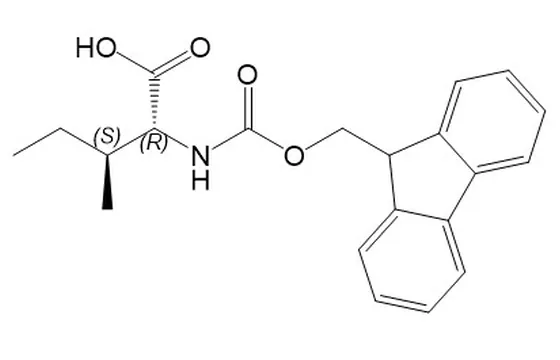
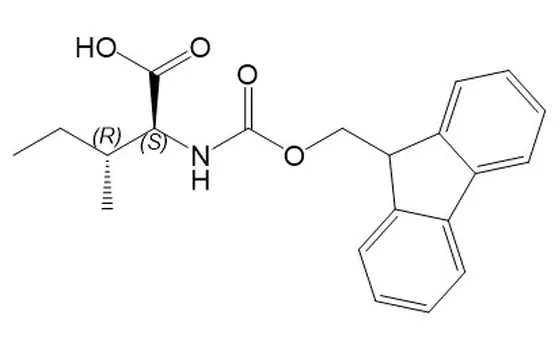
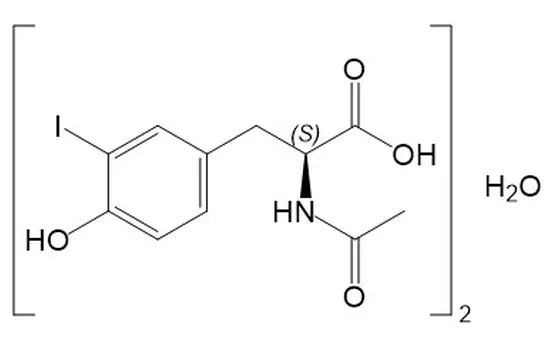
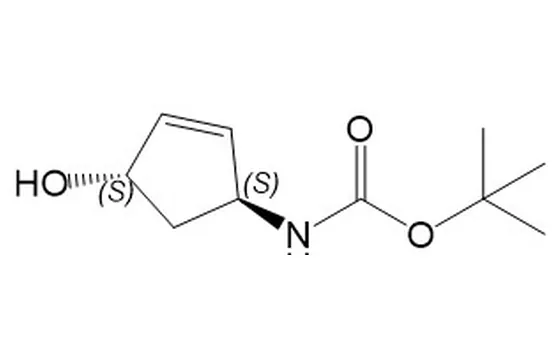
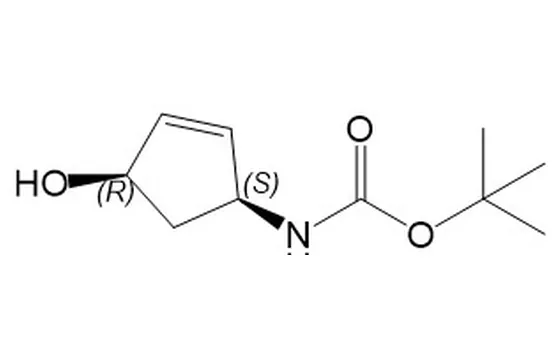
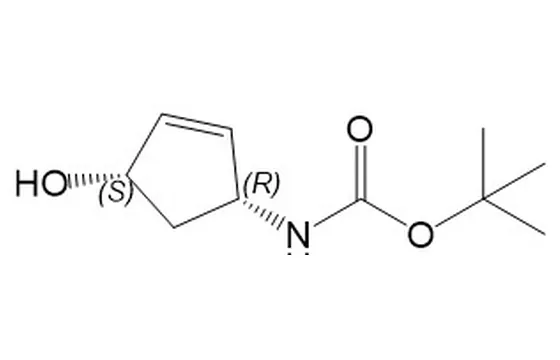
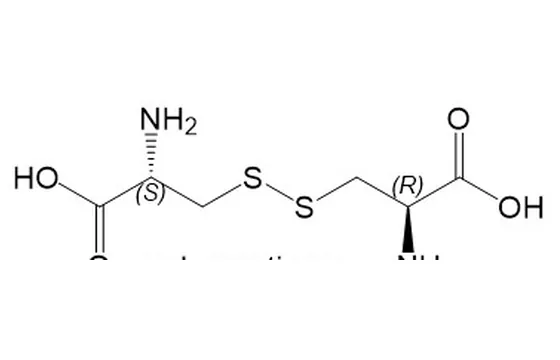
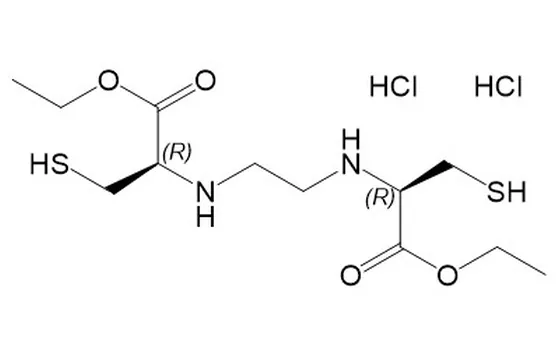
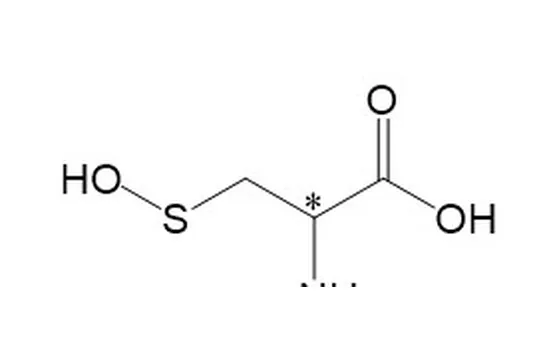
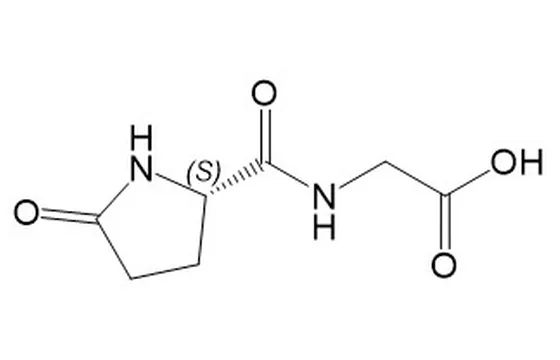
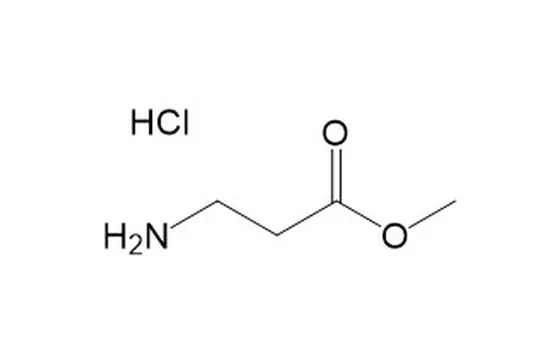
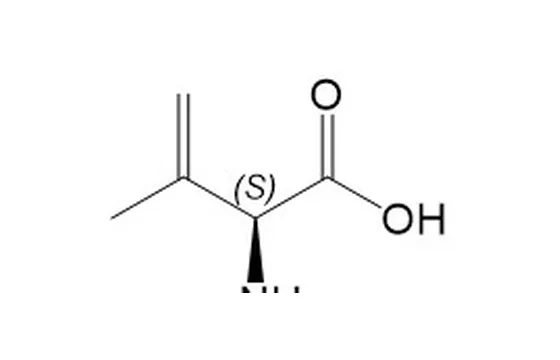
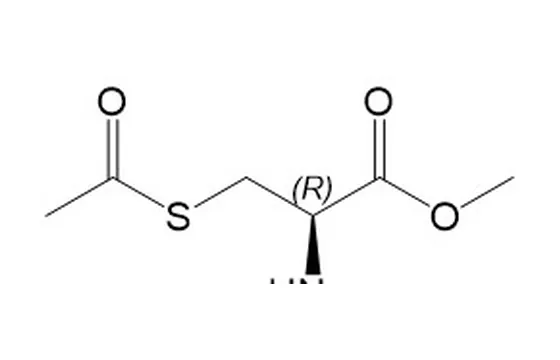
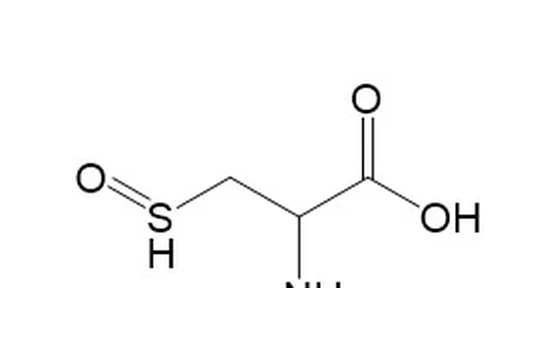
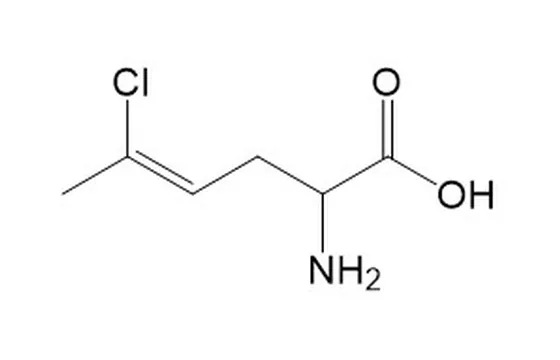
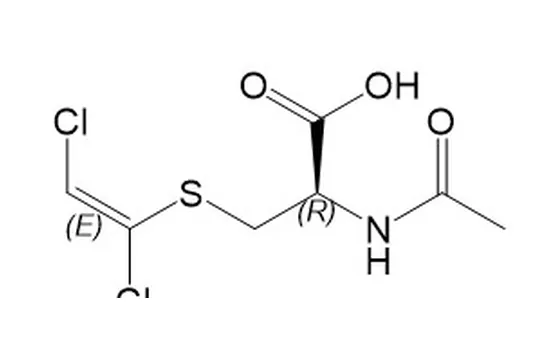
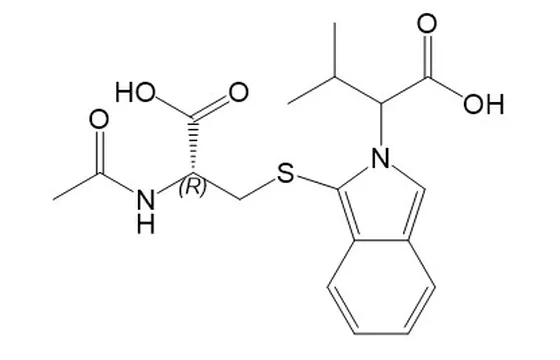
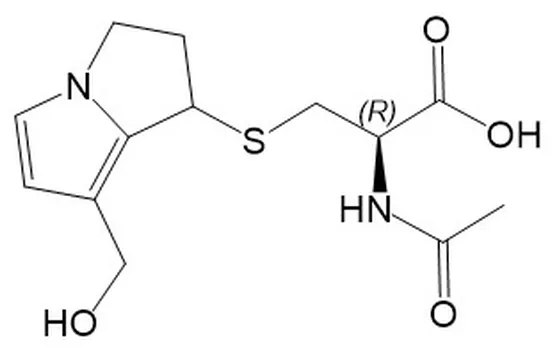
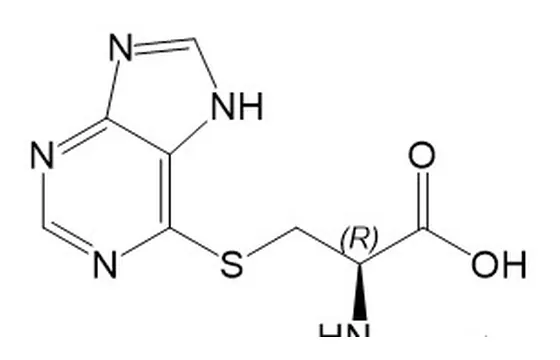
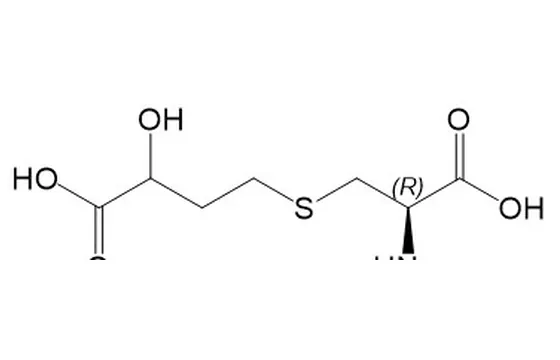
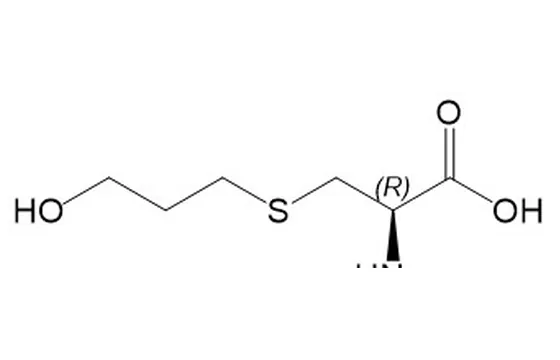
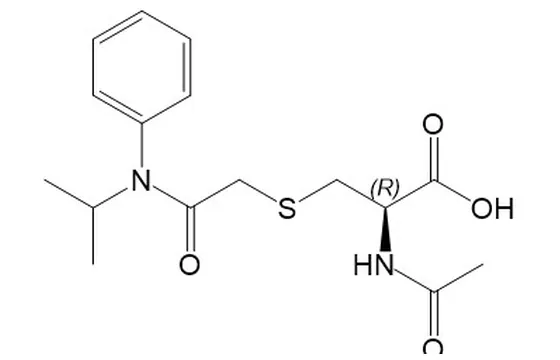
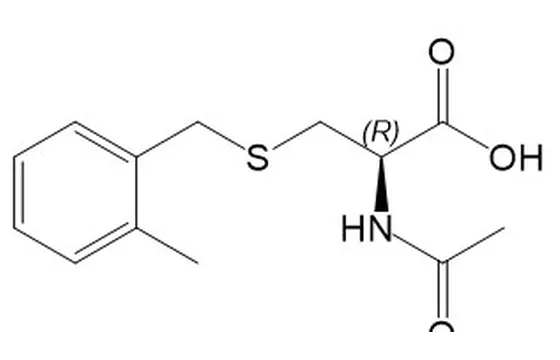
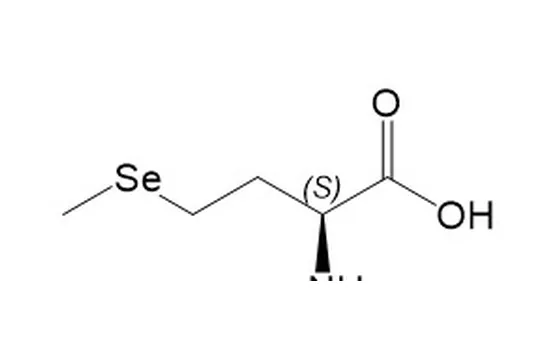
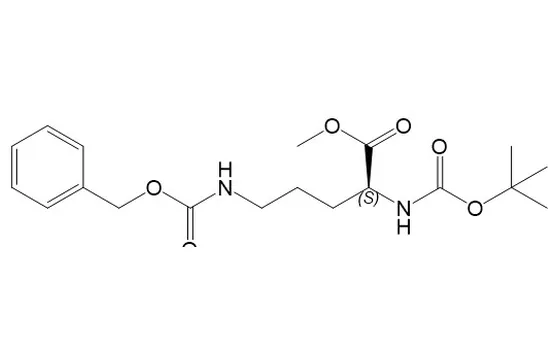
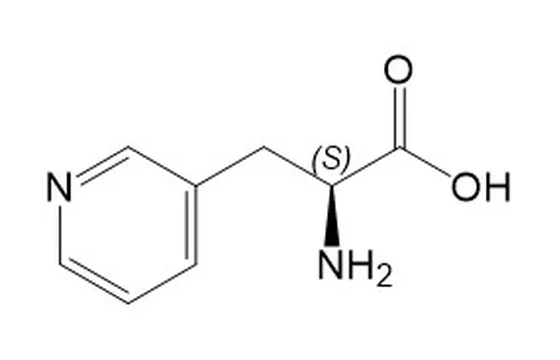
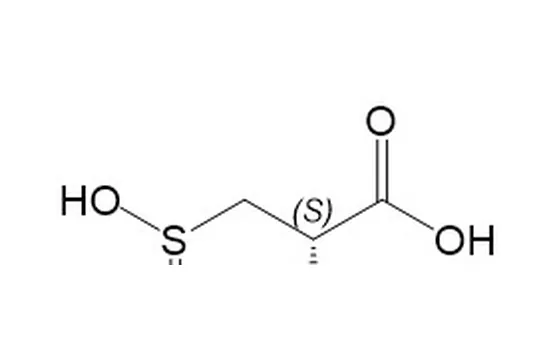
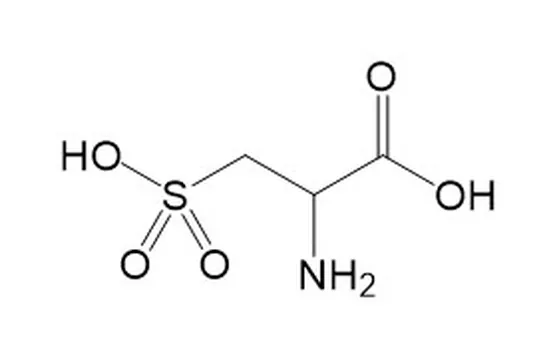
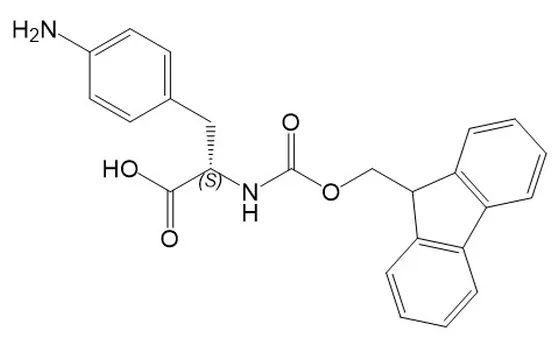
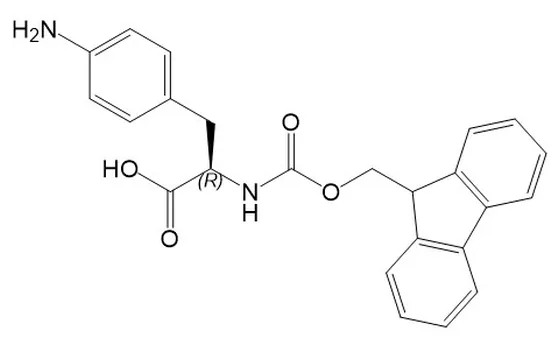
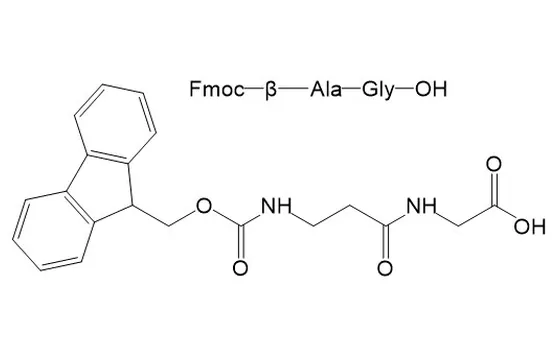
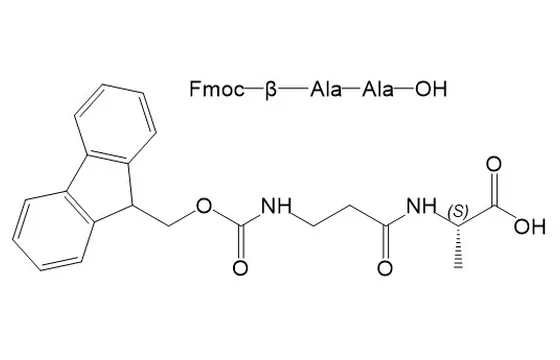
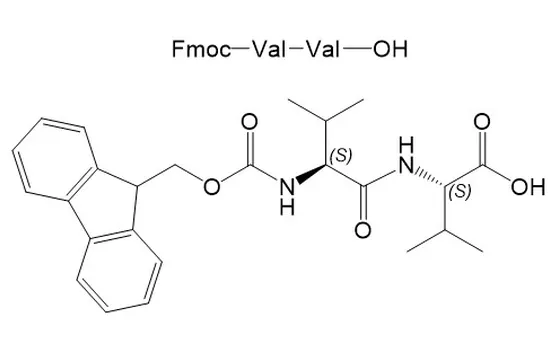
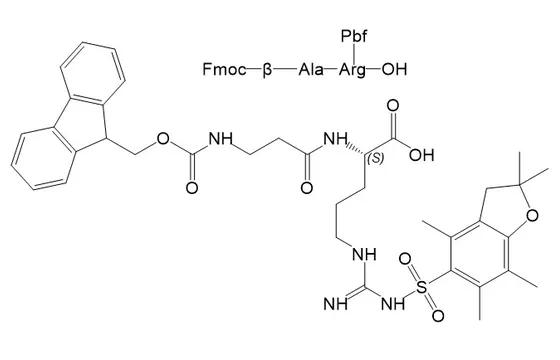
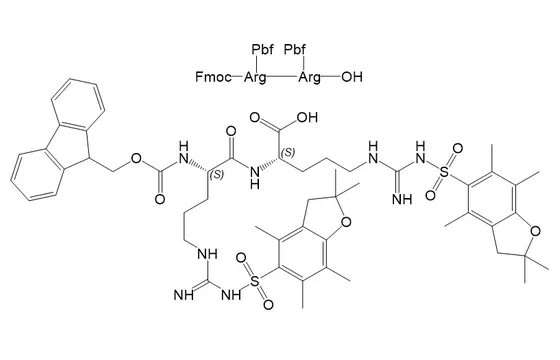
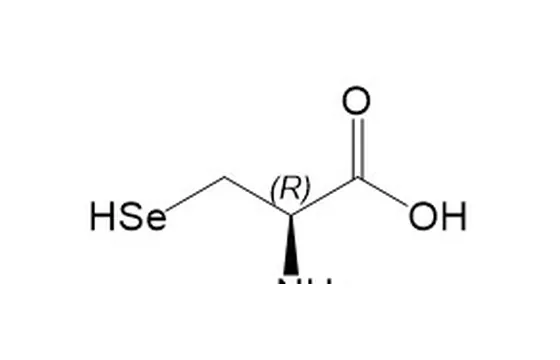
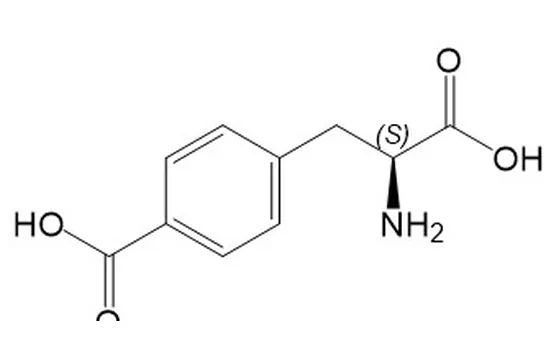
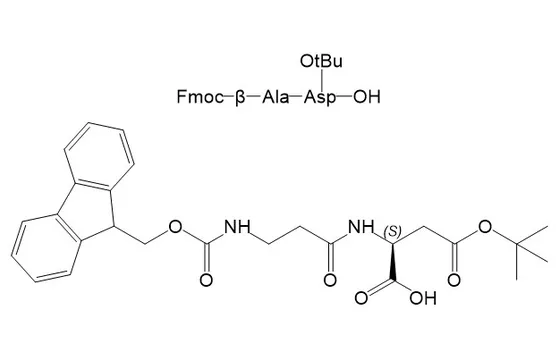
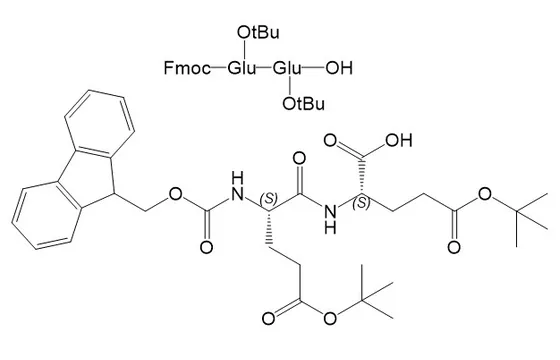
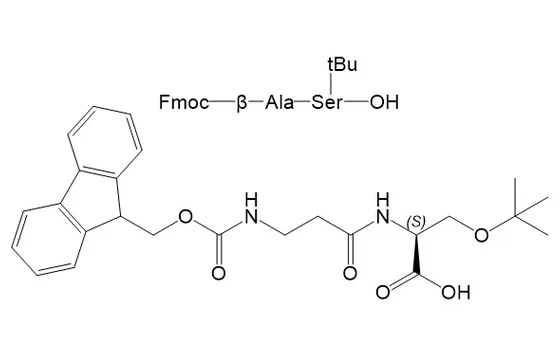
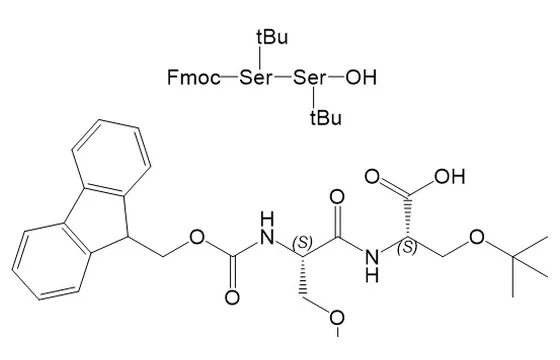
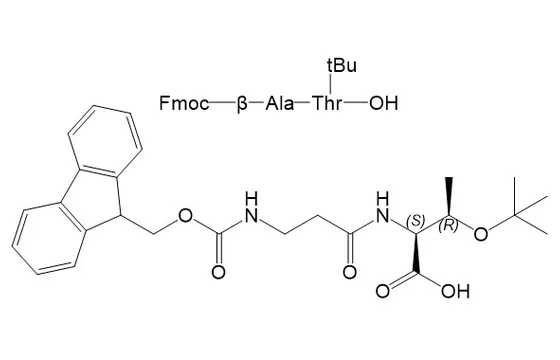
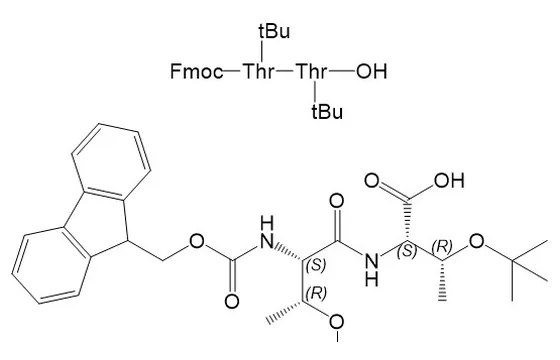
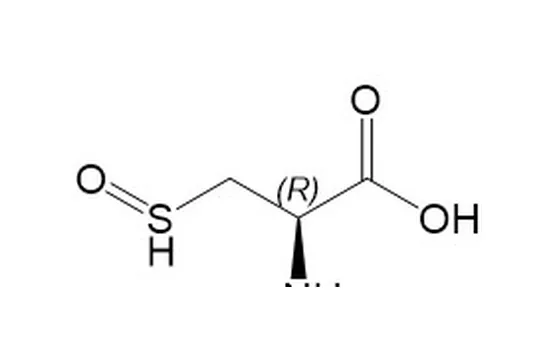
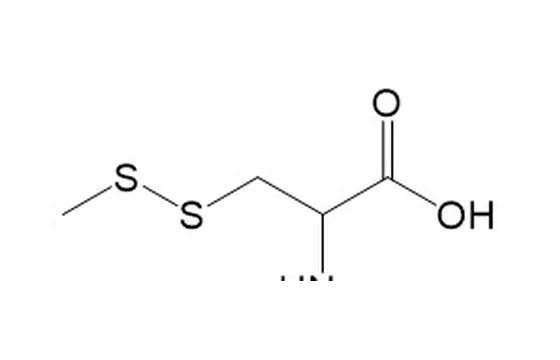
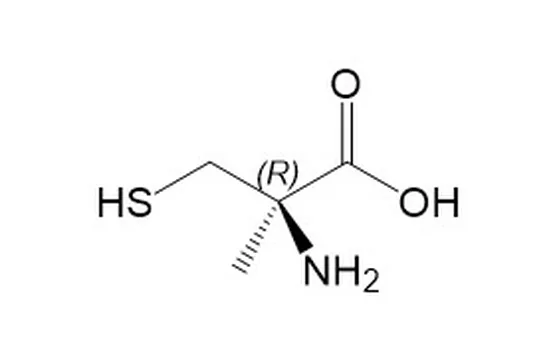
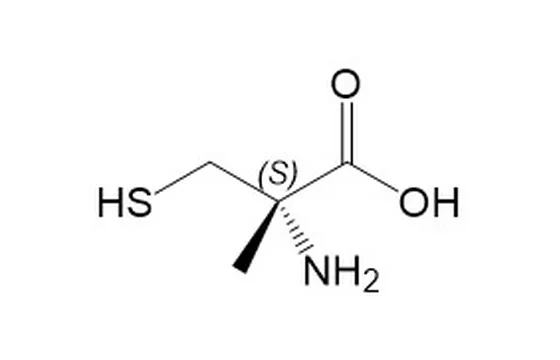
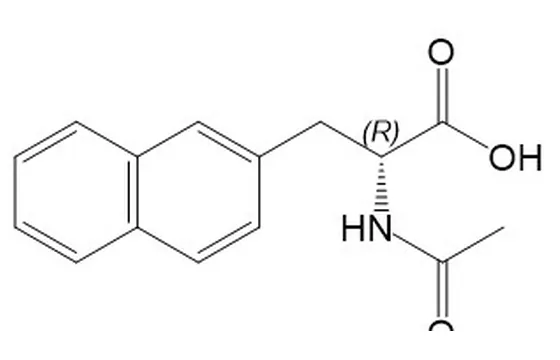
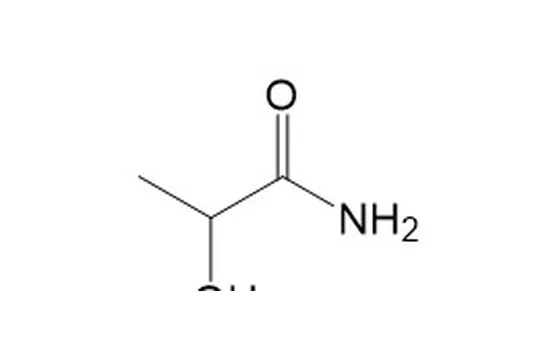
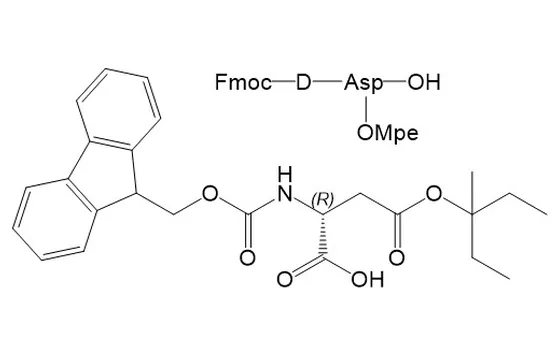
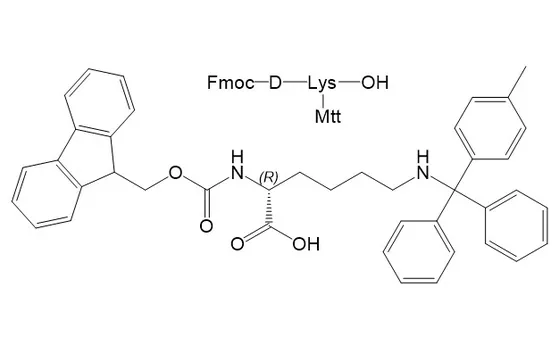
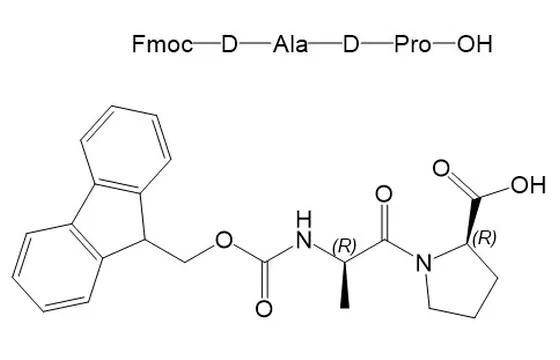
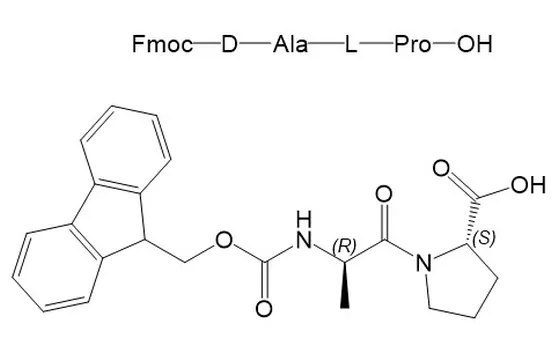
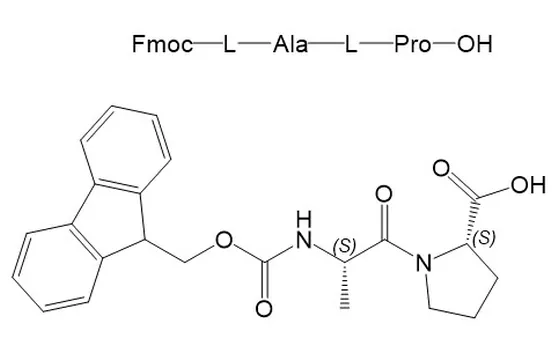
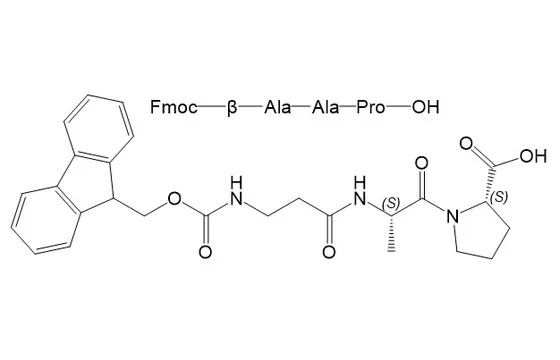
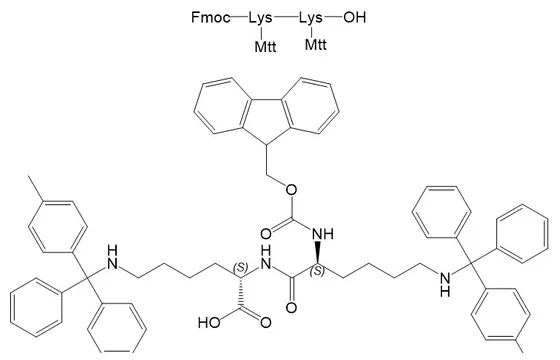
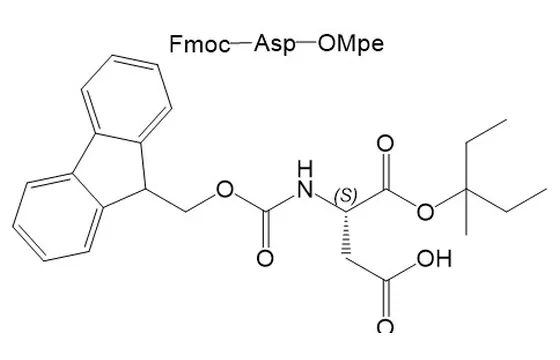
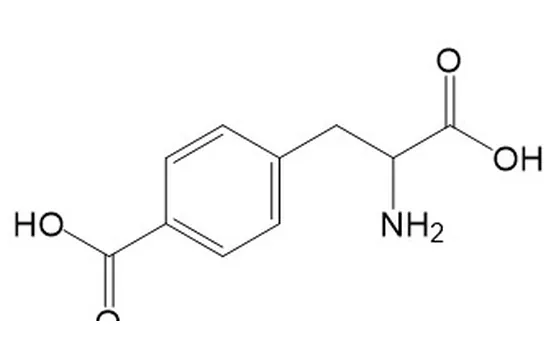
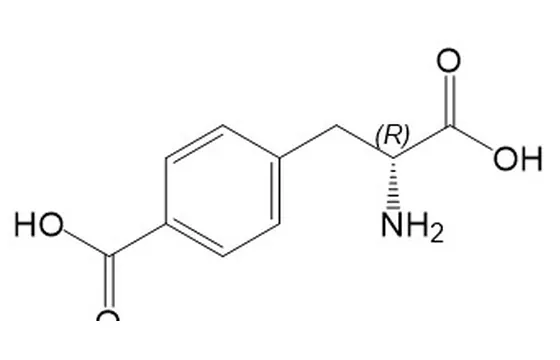
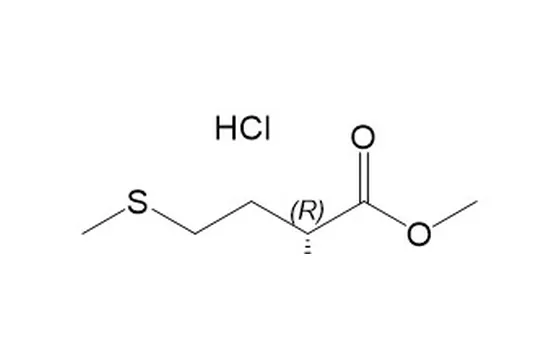
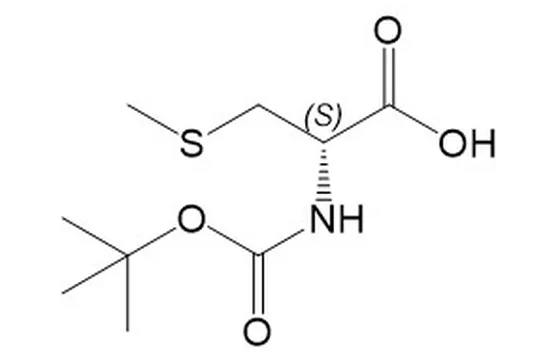
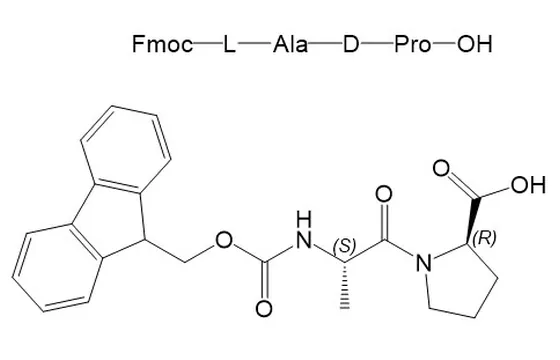
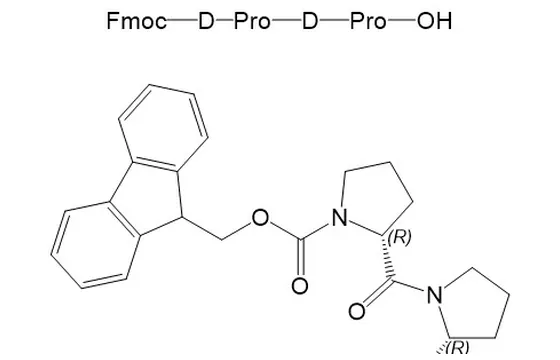
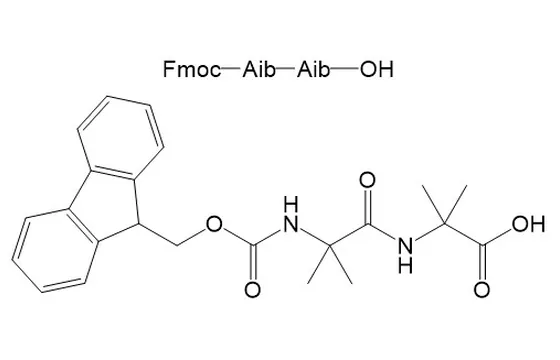
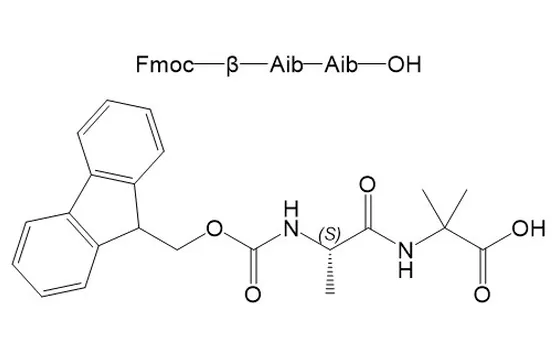
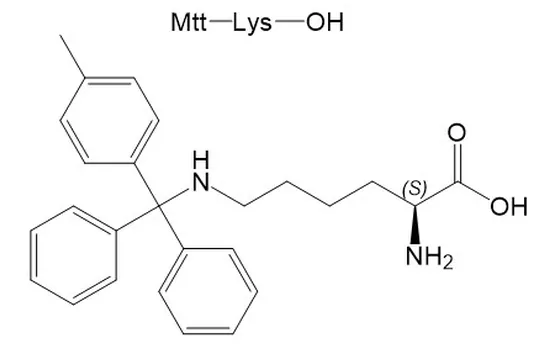
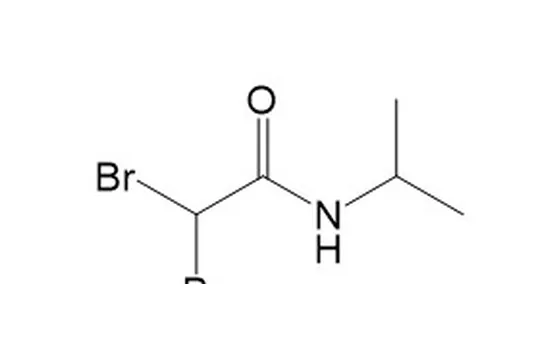
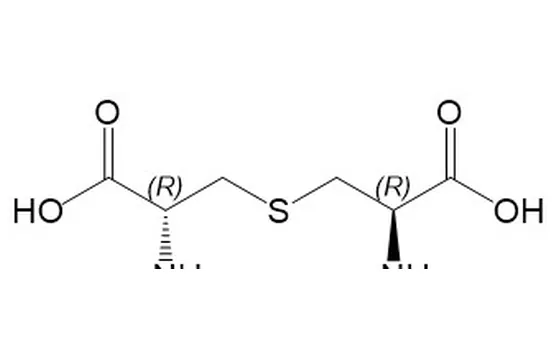
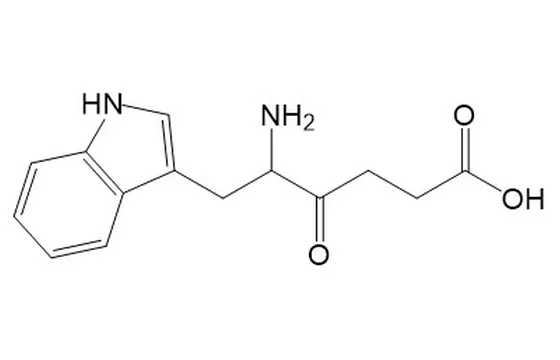
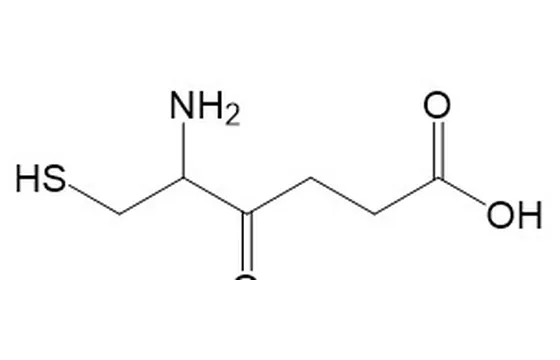
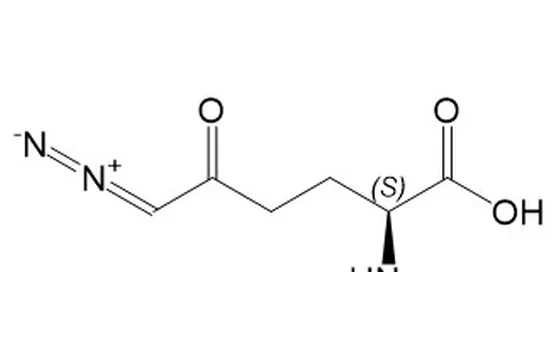
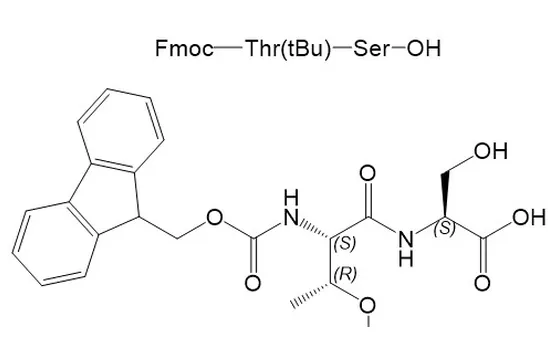
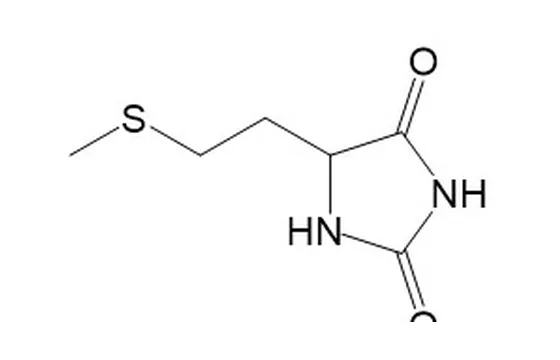
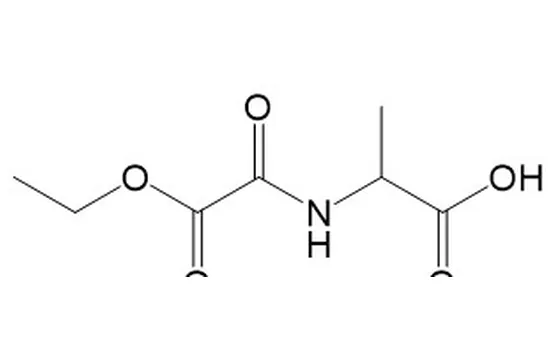
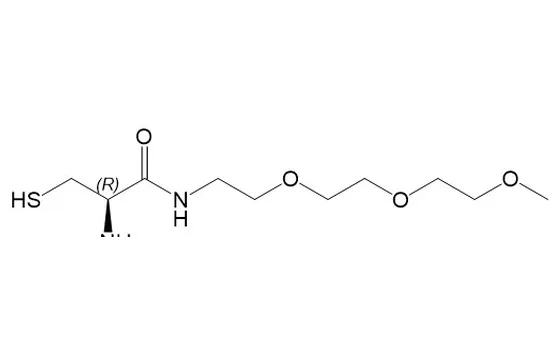
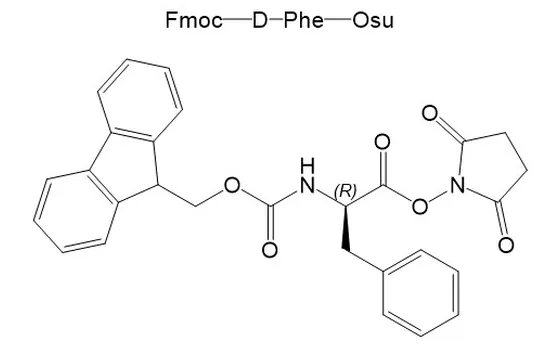
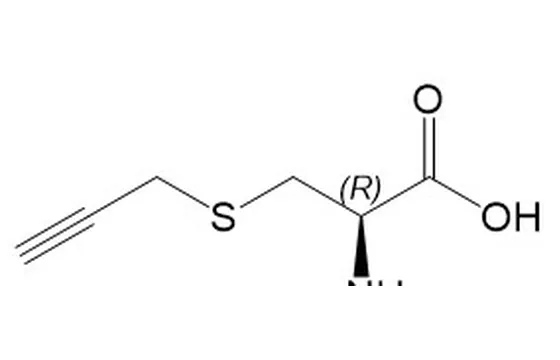
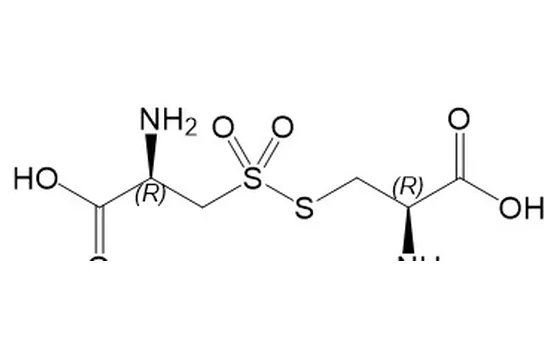
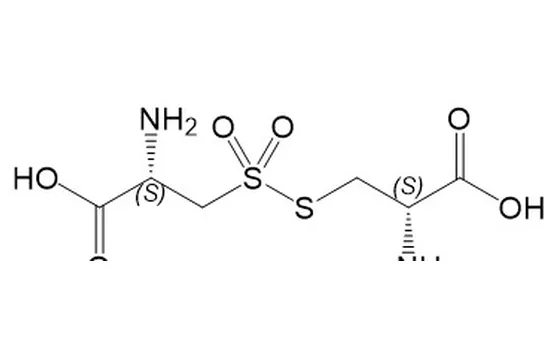
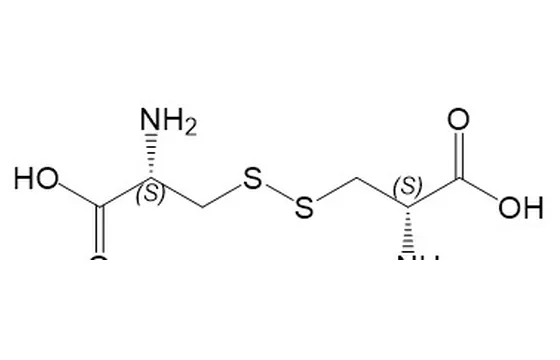
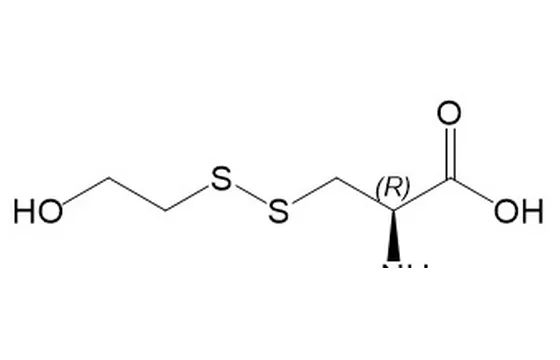
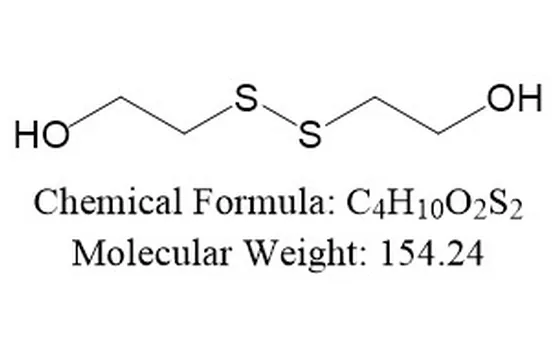
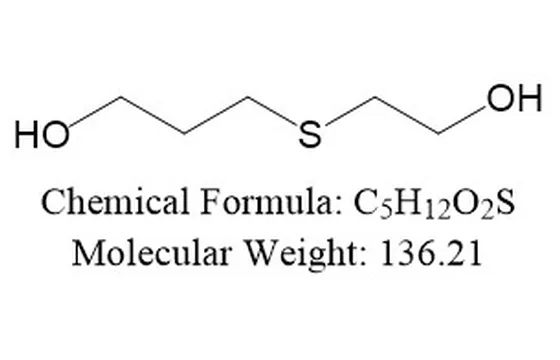
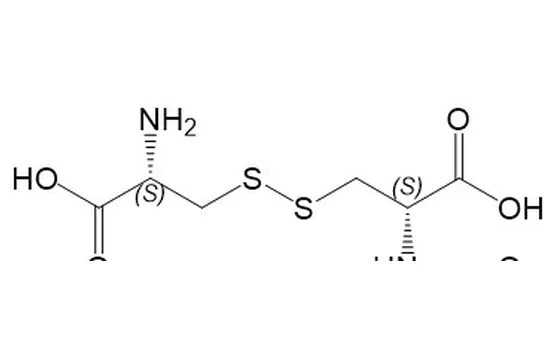
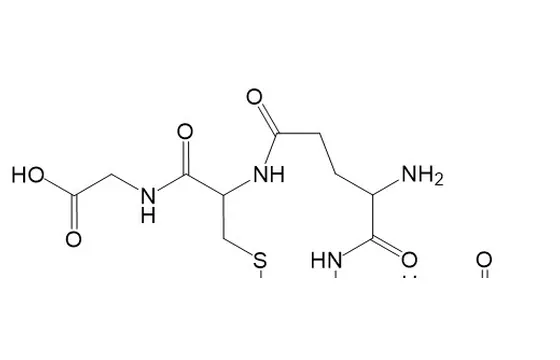
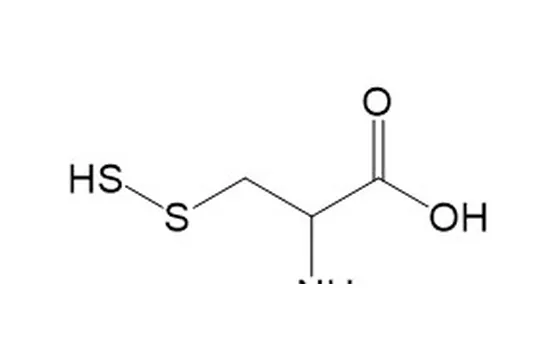
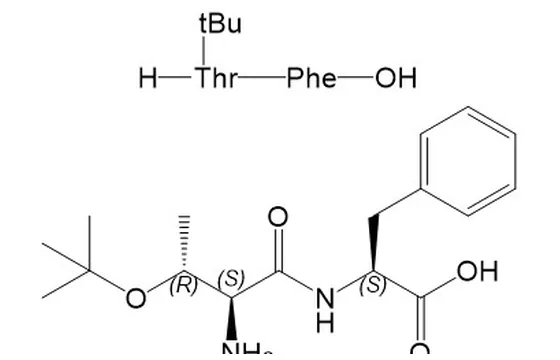
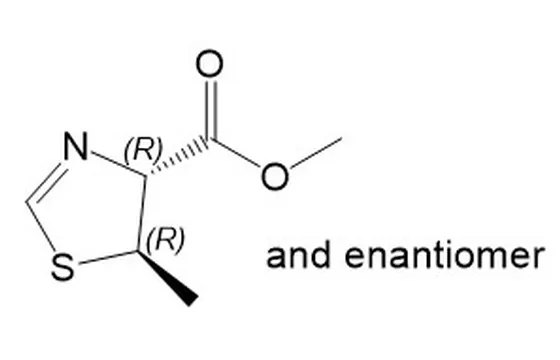
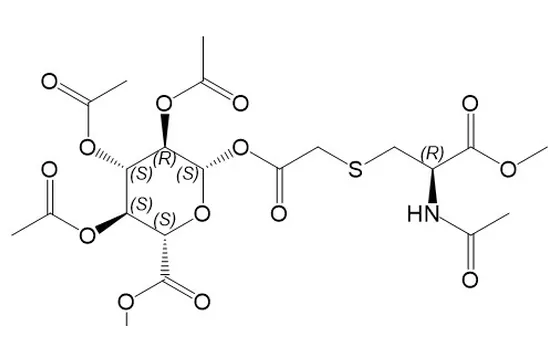
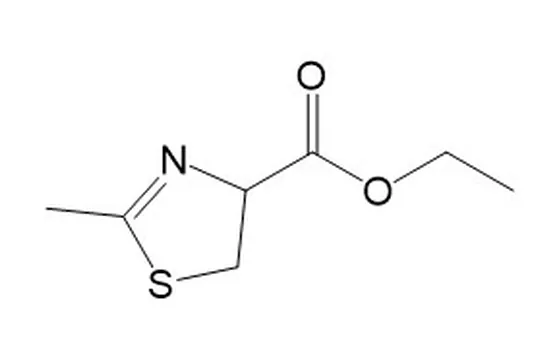
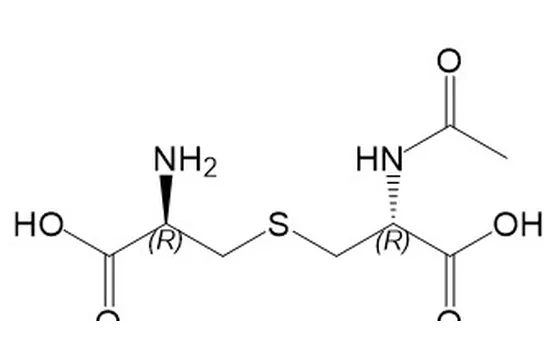
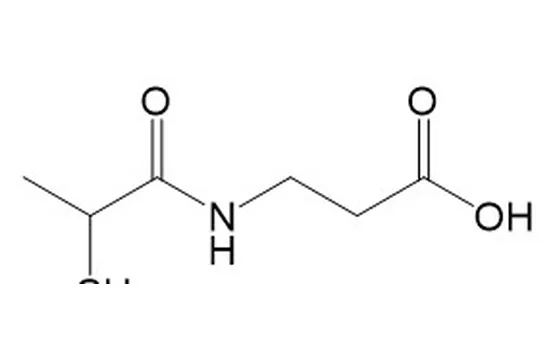
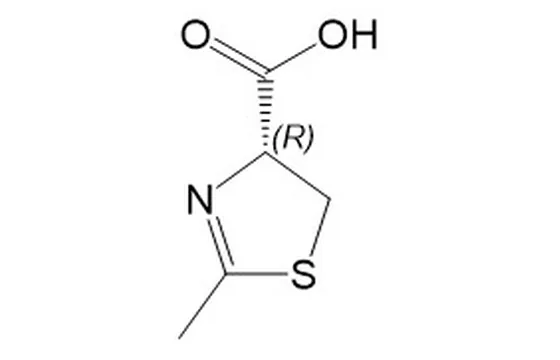
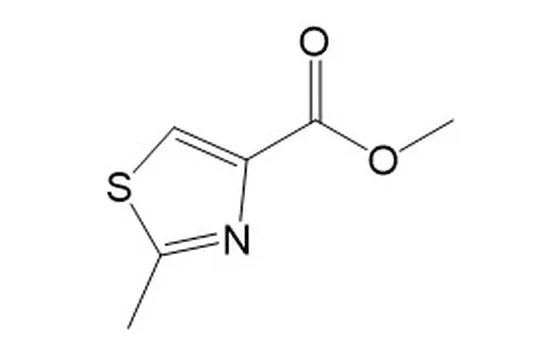
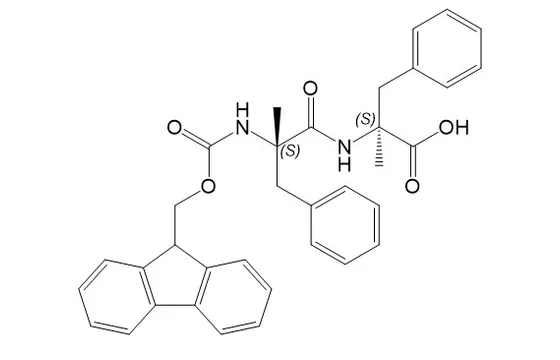
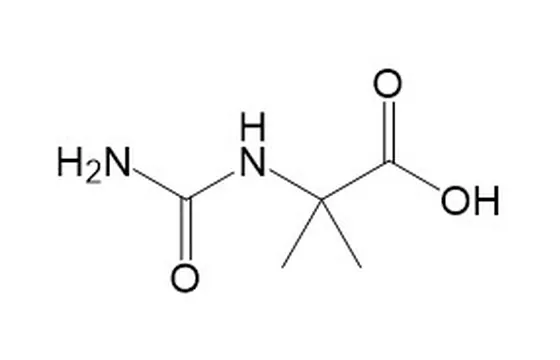
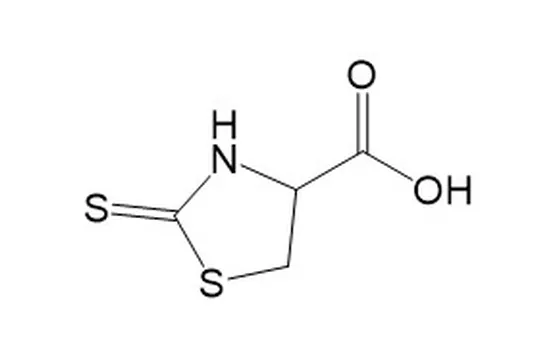
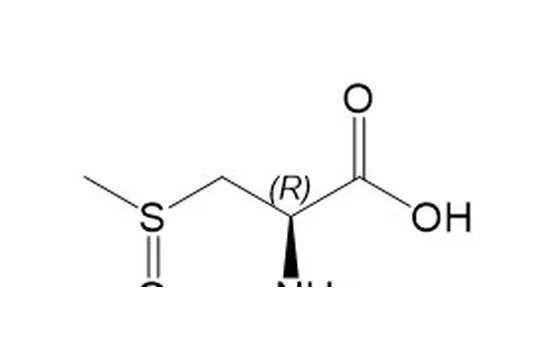
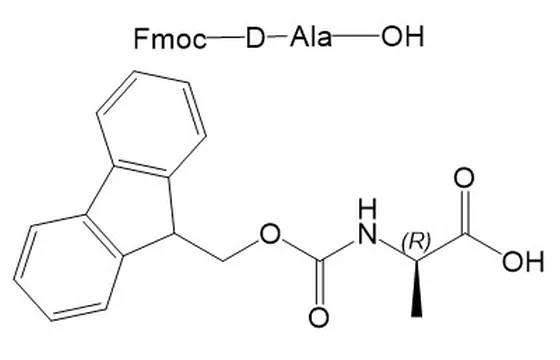
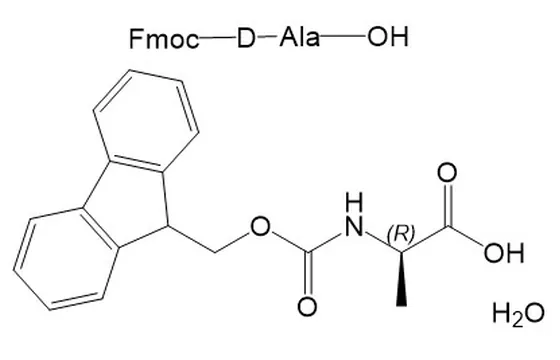
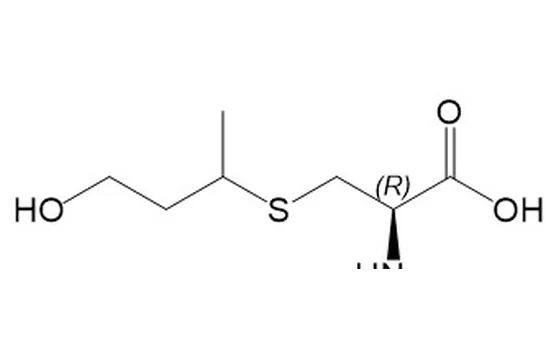
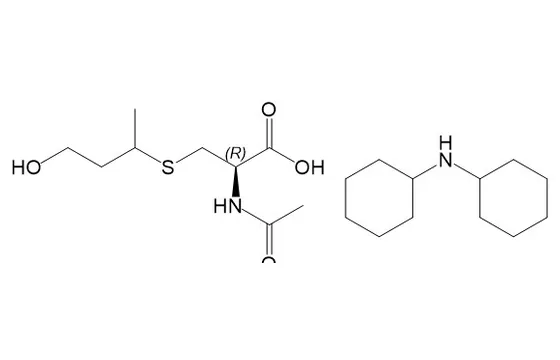
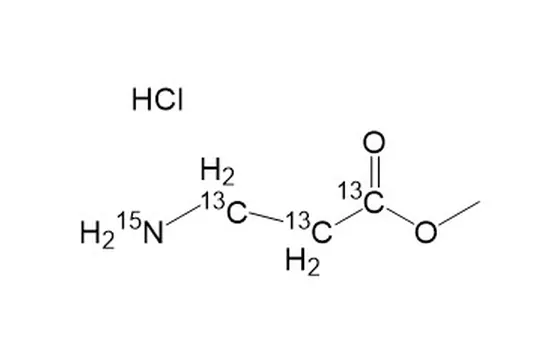
Structural confirmation is governed by the COA and manufacturer spectra. Impurities outside this list can be custom-synthesised or sourced on request.
Acetylcysteine — literature & synthetic routes
Citations below are aggregated from public scholarly databases by drug-substance name, for reference in impurity profiling, analytical method development and route selection for Acetylcysteine. Titles link to the original records; copyright remains with the authors and publishers.
Impurity & degradation studies
- Capillary electrophoretic separation of N-acetylcysteine and its impurities as a method for quality control of pharmaceuticals
- Quantitative analysis of N-acetylcysteine and its pharmacopeial impurities in a pharmaceutical formulation by liquid chromatography-UV detection-mass spectrometry
- Rapid and reliable measurement for evaluating directly the reactivity of N-acetylcysteine with glucose degradation products in peritoneal dialysis fluids
- High-performance liquid chromatography assay for N-acetylcysteine in biological samples following derivatization with N-(1-pyrenyl)maleimide
- Generation and destruction of unstable reagent in flow injection system: determination of acetylcysteine in pharmaceutical formulations using bromine as reagent
- Colorimetric determination of acetylcysteine, penicillamine, and mercaptopropionylglycine in pharmaceutical dosage forms
Synthesis & process patents
- Application of N-acetylcysteine in preparing medicaments for treating wound
- N-acetylcysteine compound medicinal preparation for treating atherosclerosis
- Cosmetic or dermatological preparations comprising N-acetylcysteine
- COSMETIC OR DERMATOLOGICAL PREPARATIONS COMPRISING N-ACETYLCYSTEINE
- COSMETIC OR DERMATOLOGICAL PREPARATIONS COMPRISING N-ACETYLCYSTEINE
Citations are indexed from public databases (Europe PMC incl. PubMed and patent records, WIPO PatentScope); we provide links only and do not reproduce full text.
Acetylcysteine — impurity profiling notes
Once you have the 311 impurity entries for Acetylcysteine, these are the questions that come up most in generic development. Classify the source of each impurity first, then decide which reference standards you actually need.
01Process impurities
Starting materials, intermediates, by-products, catalysts and residual solvents — traced back to the synthetic route and located with spiking studies during process development.
02Degradation impurities
Hydrolytic, oxidative, photolytic, thermal and polymeric degradants — identified through forced degradation, with the method proven stability-indicating.
03Pharmacopoeial impurities
Impurities already monographed with official designations (e.g. EP Impurity A, USP Related Compound B), normally compared item by item during filing.
04Genotoxic impurities
Structurally alerting compounds requiring ICH M7 hazard assessment and limit derivation (TTC 1.5 µg/day); these must be controlled with an authentic reference standard.
05Isotopically labelled standards
Deuterated, ¹³C- and ¹⁵N-labelled analogues used as internal standards in LC-MS/MS bioanalysis to compensate matrix effects and recovery variation.
06Metabolites & conversion products
In-vivo metabolites, forced-degradation products and process intermediates encountered in impurity profiling and stability studies.
Method development and standards usage
Target baseline resolution ≥1.5 between the main component and adjacent impurities; establish relative retention and relative response factors with authentic impurity standards rather than relying on self-comparison.
Impurities with markedly different UV response need correction, otherwise results are systematically biased. Where EP/USP publish a correction factor, follow the monograph.
Cover acid, base, peroxide oxidation, photostability (ICH Q1B) and heat/humidity; confirm peak purity by DAD or MS.
Apply ICH Q3A/Q3B reporting, identification and qualification thresholds so effort is not spent on insignificant peaks.
Most impurity standards should be stored at −20 °C, protected from light and moisture; prepare solutions fresh and record opening and preparation dates.
Comparing the impurity structure with the parent drug predicts retention behaviour, UV response and probable degradation routes, cutting trial and error.