塞普替尼 杂质对照品Selpercatinib Impurities
本页汇总 塞普替尼 的 316 个杂质对照品条目。杂质谱是仿制药杂质研究、方法开发与稳定性考察的起点——先锁定品种,再逐条比对结构差异与保留行为。This page collects 316 impurity reference standards of Selpercatinib. The impurity profile is the starting point for related-substance method development, forced degradation and stability studies.
相关研究文献Related literature
以下为 塞普替尼(Selpercatinib)在公开文献中的研究报道(题录信息,来源 PubMed),供方法开发与文献调研参考。Selected peer-reviewed publications on this drug substance — bibliographic records from PubMed.
- 杂质研究Impurity studiesSeparation, characterization and cytotoxicity of unknown forced degradation impurity of selpercatinib using Prep-LC, HRMS and NMR
Journal of pharmaceutical and biomedical analysis · 2025 · Wang Q et al. · PMID 39954580 · DOI - 杂质研究Impurity studiesResearch on detection methods of related substances and degradation products of the antitumor drug selpercatinib
Frontiers in chemistry · 2024 · Xiang J et al. · PMID 39872362 · DOI - 分析方法Analytical MethodsDevelopment and validation of an HPLC-MS/MS method to simultaneously quantify brigatinib, lorlatinib, pralsetinib and selpercatinib in human K2-EDTA plasma
Biomedical chromatography : BMC · 2023 · Gulikers JL et al. · PMID 36941218 · DOI - 分析方法Analytical MethodsLC-MS/MS method development and validation for novel targeted anticancer therapies adagrasib, capmatinib, ensartinib, entrectinib, larotrectinib, lorlatinib, pralsetinib, selpercatinib and sotorasib
Journal of pharmaceutical and biomedical analysis · 2025 · Meertens M et al. · PMID 40743983 · DOI - 分析方法Analytical MethodsDevelopment and validation of an ultra-performance liquid chromatography-tandem mass spectrometry method to quantify the small molecule inhibitors adagrasib, alectinib, brigatinib, capmatinib, crizotinib, lorlatinib, selpercatinib, and sotorasib in human plasma
Biomedical chromatography : BMC · 2024 · Hollander EM et al. · PMID 39136165 · DOI
塞普替尼 杂质谱拆解与检测方法开发建议
提示:文中标红的产品名(带 ↗ 标记)均可点击,点击即可跳转到产品页,查看结构式、CAS 号、纯度与货期。
塞普替尼↗(Selpercatinib)是一种选择性 RET 激酶抑制剂,用于 RET 融合阳性的非小细胞肺癌、RET 突变型甲状腺髓样癌等适应症。作为较新的靶向小分子,它的杂质谱研究与传统的成熟仿制药品种有明显不同的特点:可参考的公开资料少、杂质数量多、且结构相关的衍生物密集。
本目录目前收录该品种 316 个编号杂质条目,编号覆盖 1–320(其中 8、9、10、12 号暂无条目)。这个规模在目录内排在前列——杂质条目多通常意味着该品种的合成路线较长、中间体与副产物种类丰富,也意味着杂质研究的工作量相应更大。下面从杂质谱结构、编号体系、分析方法与申报四个角度给出整理与建议。
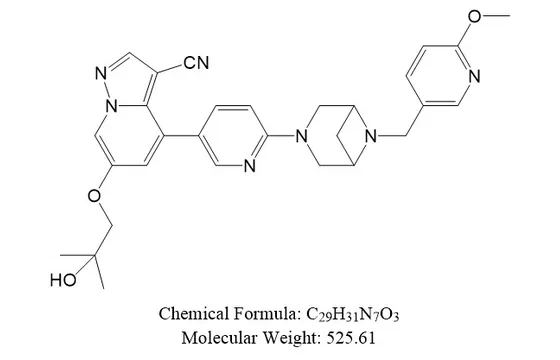
一、杂质谱的结构类型怎么归类
面对 300 多个杂质条目,第一步不是逐条去查,而是先按来源归类。杂质按来源划分通常有四类,这个框架在 ICH Q3A/Q3B 与各国杂质研究指导原则里是一致的:
- 工艺杂质(Process-related impurities):起始物料、中间体、副反应产物、催化剂残留、溶剂残留。这类杂质与合成路线强相关,路线一改,种类就变。
- 降解杂质(Degradation products):由光照、氧化、水解、高温等条件产生。这类杂质与包装、储存条件、制剂工艺强相关,是稳定性研究的核心对象。
- 立体异构体与手性杂质:当药物分子含手性中心时,对映异构体与非对映异构体的控制往往是独立议题,限值通常比一般杂质更严格。
- 遗传毒性/致癌性杂质:包括亚硝胺类、以及含警示结构的杂质,按 ICH M7 的框架单独评估(详见我们的亚硝胺杂质控制全解读)。
对塞普替尼这类结构较复杂、合成步骤较多的品种,「工艺杂质」与「结构相关衍生物」通常占绝对多数。建议在评估时先把条目映射到上面四类,再针对每一类确定研究深度——这比逐条评估效率高得多,也更容易在申报资料里讲清楚逻辑。
实操提醒:归类时不要只看名称,要结合结构式判断。名称里带「杂质 N」的条目,其结构可能来自完全不同的来源(有的是中间体、有的是降解产物),仅凭编号无法推断归属。
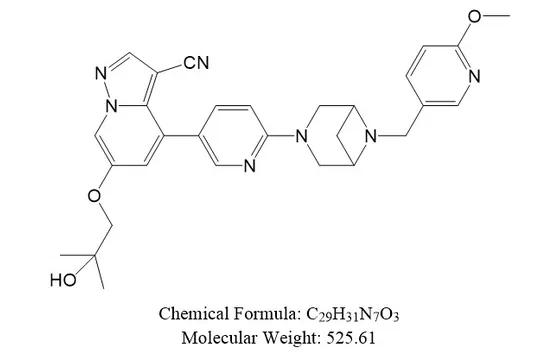
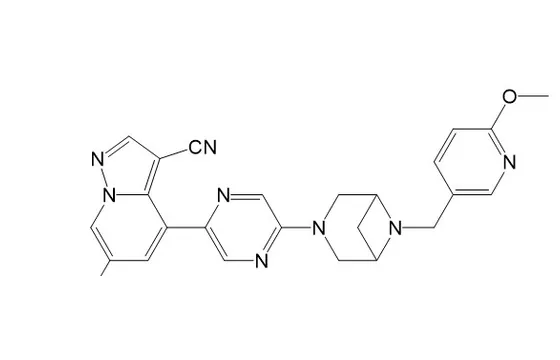
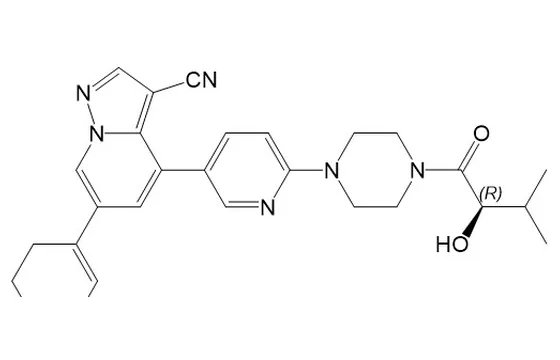
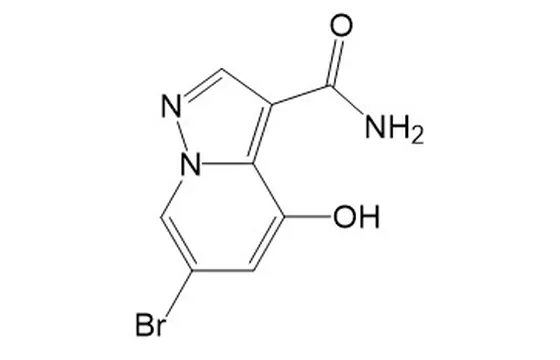
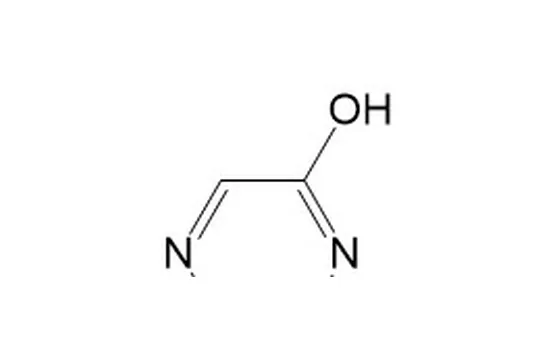
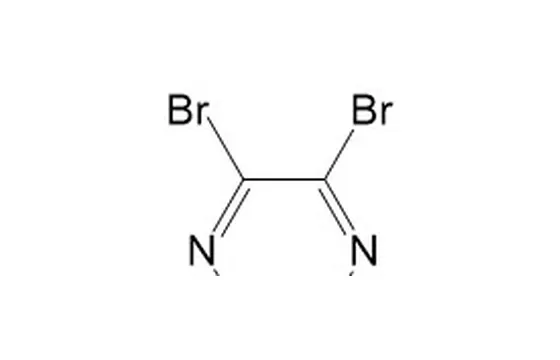
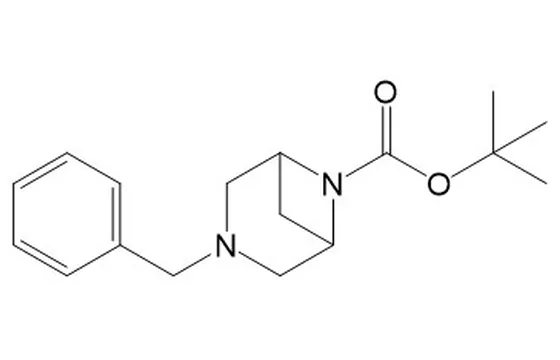
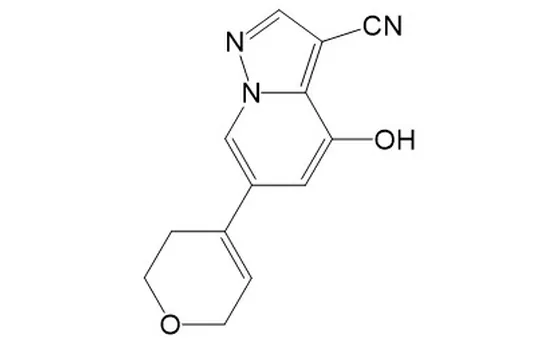
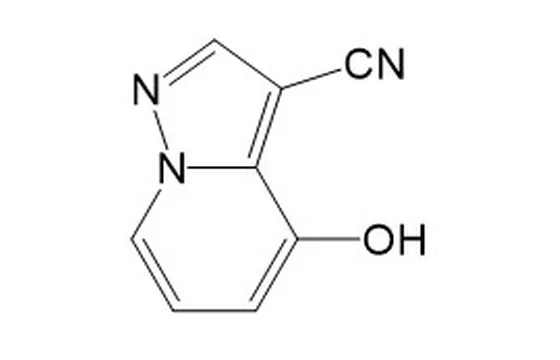
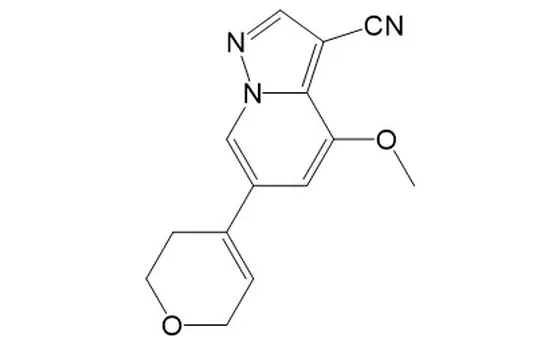
下面给出本目录里几个代表性条目的结构,便于把"编号"和"实际结构"对应起来——这一步很关键:编号只是供应商内部的立项序号,同一个编号在不同批次目录里对应的结构未必一致,做杂质谱比对时必须以结构(或 CAS)为准,不能只看编号。
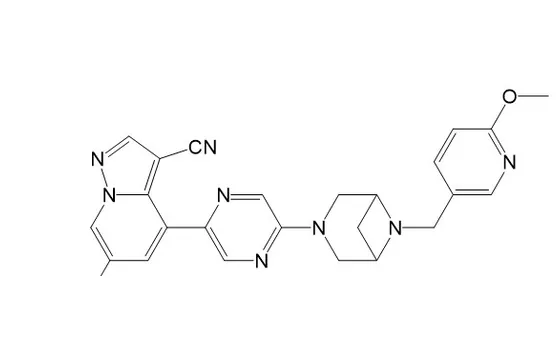
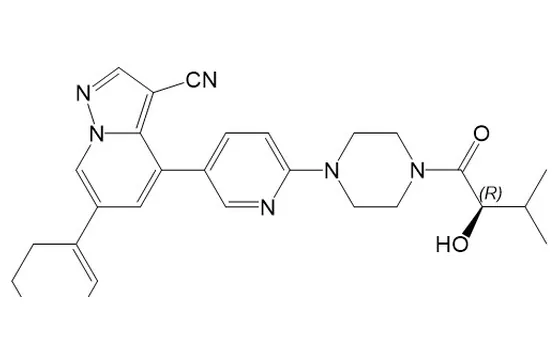
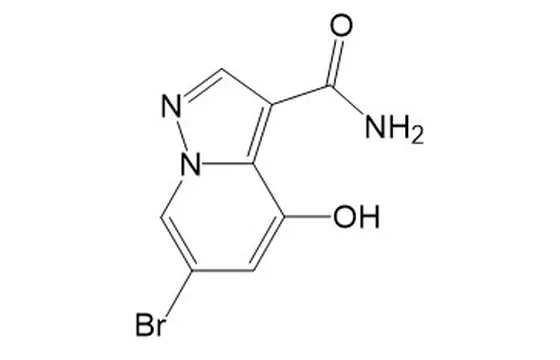
把这几个结构与母体对照着看,能直观判断哪些属于取代基差异、哪些属于骨架变化——这直接决定了它们在方法学上是不是"难分离对",以及要不要单独配校正因子。
二、编号体系说明:供应商编号不等于药典编号
这是实际工作中最容易产生误解的一点,值得单独说明。
本目录(以及多数第三方对照品供应商)使用的「塞普替尼杂质 1、杂质 2……」属于供应商目录编号。它解决的是「同一个品种的几百个杂质如何各自标识」的问题,不具法定地位,也不与任何药典的杂质编号存在对应关系。
而药典用的是另一套体系:EP 在专论内用字母编号(Impurity A、B、C…),且字母只在那一篇专论内部有效;USP 更倾向于直接用化学名或化学描述。三者之间的关系是:
- 供应商编号:用于检索、订货、内部沟通;
- EP 字母编号:仅在 EP 该专论内有效;
- USP 化学名:以化学身份为准。
因此编写申报资料或方法学文件时,务必同时写清「来源 + 编号 + 化学名/CAS」,只写编号会在跨部门、跨机构沟通时造成歧义。这条规则在跨体系品种上尤其重要,可参考EP、USP 与中国药典的杂质对照品体系差异里的详细说明。
三、检测方法开发的建议路径
杂质条目多,往往意味着色谱分离难度大——结构相近的杂质在反相色谱上保留时间接近,容易出现峰重叠或方法无法同时兼顾所有目标杂质。结合这类品种的普遍特点,建议按下面的顺序推进:
- 先做结构分组,再做方法开发。把结构相近的杂质归为若干「组」,优先保证组间分离;同一组内若无法完全分离,需要在方法学中说明并论证其合理性。
- 梯度条件优先于等度。杂质极性跨度大时,等度条件往往无法兼顾两端,梯度洗脱更实用。
- 波长选择要覆盖所有目标杂质。如果各杂质的最大吸收差异大,单一波长可能导致部分杂质响应过低,需要考虑多波长检测或采用校正因子。
- 校正因子与相对响应因子(RRF)要实测。不要直接沿用文献值——不同色谱条件与检测器下 RRF 可能不同。
- 强制降解试验要设计到位。酸、碱、氧化、光照、高温五类条件都要覆盖,并确认主峰纯度(峰纯检测)以排除共洗脱。
对于痕量级别的目标物(如遗传毒性杂质、亚硝胺类),常规 HPLC-UV 通常不够,需要 LC-MS/MS 或 GC-MS/MS 手段。方法选择的基本逻辑可参考前述亚硝胺文章第五节。
四、申报与发补环节的常见提示
结合杂质条目多的品种在注册过程中的普遍情况,以下几点是最常被发补的方向:
- 杂质谱的完整性论证不足。只检测药典收载的杂质是不够的——需要说明「为什么这个品种不会产生其他杂质」,或者提供其他杂质的考察数据。
- 结构确证材料不完整。对主要杂质(通常是超过鉴定阈值的),需要提供 NMR、MS 等结构确证数据,仅有 HPLC 保留时间对位是不够的。
- 对照品来源与赋值说明不清。使用非药典来源对照品时,应说明来源、纯度赋值方式与适用性论证。
- 稳定性考察中的杂质归属。新增的降解杂质需要明确归属(是哪个位置的氧化/水解产物),并评估是否需要纳入质量标准。
- 亚硝胺与基因毒性杂质评估缺失。即便药典未收载,也需要按 ICH M7 完成风险评估——这是近年发补的高频项。
如果需要在申报前系统性梳理杂质谱,建议建立一张「杂质清单表」,字段至少包含:编号 / 化学名 / CAS / 结构式 / 来源分类 / 是否超过鉴定阈值 / 是否有对照品 / 控制策略。这张表是杂质研究工作的中枢,也是应对发补时最有效的底稿。
五、同类品种的横向参考
杂质条目多、且以结构相关衍生物为主的品种,在目录中有若干可比对象,适合做横向比较以理解「大杂质系列」的规律:
- 乙酰半胱氨酸 / Acetylcysteine(304 个编号杂质,另含 EP 杂质 B/C 与 N-亚硝基衍生物)
- 托西尼布 / Toceranib(291 个编号杂质)
- 伊拉地平 / Isradipine(289 个条目,EP 收载)
- 洛美利嗪 / Lomerizine(288 个条目)
- 芦马卡托 / Lumacaftor(271 个条目)
可以在[按品种找对照品](按品种找对照品)中按药物名称浏览全部品种,或在[全部产品目录](全部产品目录)中按 CAS 号精确检索本品种的具体杂质条目。
常见问题(FAQ)
塞普替尼杂质 1、杂质 2 的编号是药典编号吗?
这个品种有 300 多个杂质,是不是每一个都要研究?
药典没有收载的杂质,是否就不需要控制?
杂质条目多的情况下,方法开发从哪里入手?
结构相近的杂质在色谱上分不开怎么办?
怎么确认一个杂质条目对应的实际化合物?
参考资料与来源
- ICH,ICH Q3A(R2)/Q3B(R2)《新原料药/新制剂中的杂质》,访问日期 2026-10-11
- ICH,ICH M7《评估和控制药物中 DNA 反应性(致突变)杂质以限制潜在致癌风险》,访问日期 2026-10-11
- 国家药品监督管理局药品审评中心(CDE),化学药物杂质研究相关技术指导原则与问答,访问日期 2026-10-11
- 欧洲药品质量管理局(EDQM),European Pharmacopoeia 专论与通用章节,访问日期 2026-10-11
- 美国药典委员会(USP),USP–NF 专论与对照品目录,访问日期 2026-10-11
- 中国药典委员会,《中华人民共和国药典》通则与指导原则,访问日期 2026-10-11
以上内容为 CATO 佳途技术团队原创整理,引用的法规与公开资料已在文末标注来源,仅供技术参考,不构成质量标准或法规建议;具体方法、限值与申报要求以现行法规、药典正文及官方发布为准。页面下方为该品种全部杂质对照品条目,可按 CAS 号或货号进一步检索。
Selpercatinib — literature & synthetic routes
Citations below are aggregated from public scholarly databases by drug-substance name, for reference in impurity profiling, analytical method development and route selection for Selpercatinib. Titles link to the original records; copyright remains with the authors and publishers.
Impurity & degradation studies
- Separation, characterization and cytotoxicity of unknown forced degradation impurity of selpercatinib using Prep-LC, HRMS and NMR
- Research on detection methods of related substances and degradation products of the antitumor drug selpercatinib
- Stress-Induced Structural Divergence of Selpercatinib, a RET Inhibitor: Application of HRMS and NMR for the Discovery of Unique Degradation Products
Citations are indexed from public databases (Europe PMC incl. PubMed and patent records, WIPO PatentScope); we provide links only and do not reproduce full text.
Selpercatinib — impurity profiling notes
Once you have the 317 impurity entries for Selpercatinib, these are the questions that come up most in generic development. Classify the source of each impurity first, then decide which reference standards you actually need.
01Process impurities
Starting materials, intermediates, by-products, catalysts and residual solvents — traced back to the synthetic route and located with spiking studies during process development.
02Degradation impurities
Hydrolytic, oxidative, photolytic, thermal and polymeric degradants — identified through forced degradation, with the method proven stability-indicating.
03Pharmacopoeial impurities
Impurities already monographed with official designations (e.g. EP Impurity A, USP Related Compound B), normally compared item by item during filing.
04Genotoxic impurities
Structurally alerting compounds requiring ICH M7 hazard assessment and limit derivation (TTC 1.5 µg/day); these must be controlled with an authentic reference standard.
05Isotopically labelled standards
Deuterated, ¹³C- and ¹⁵N-labelled analogues used as internal standards in LC-MS/MS bioanalysis to compensate matrix effects and recovery variation.
06Metabolites & conversion products
In-vivo metabolites, forced-degradation products and process intermediates encountered in impurity profiling and stability studies.
Method development and standards usage
Target baseline resolution ≥1.5 between the main component and adjacent impurities; establish relative retention and relative response factors with authentic impurity standards rather than relying on self-comparison.
Impurities with markedly different UV response need correction, otherwise results are systematically biased. Where EP/USP publish a correction factor, follow the monograph.
Cover acid, base, peroxide oxidation, photostability (ICH Q1B) and heat/humidity; confirm peak purity by DAD or MS.
Apply ICH Q3A/Q3B reporting, identification and qualification thresholds so effort is not spent on insignificant peaks.
Most impurity standards should be stored at −20 °C, protected from light and moisture; prepare solutions fresh and record opening and preparation dates.
Comparing the impurity structure with the parent drug predicts retention behaviour, UV response and probable degradation routes, cutting trial and error.